Tagged: custom canvas

art studio with several paintings on display

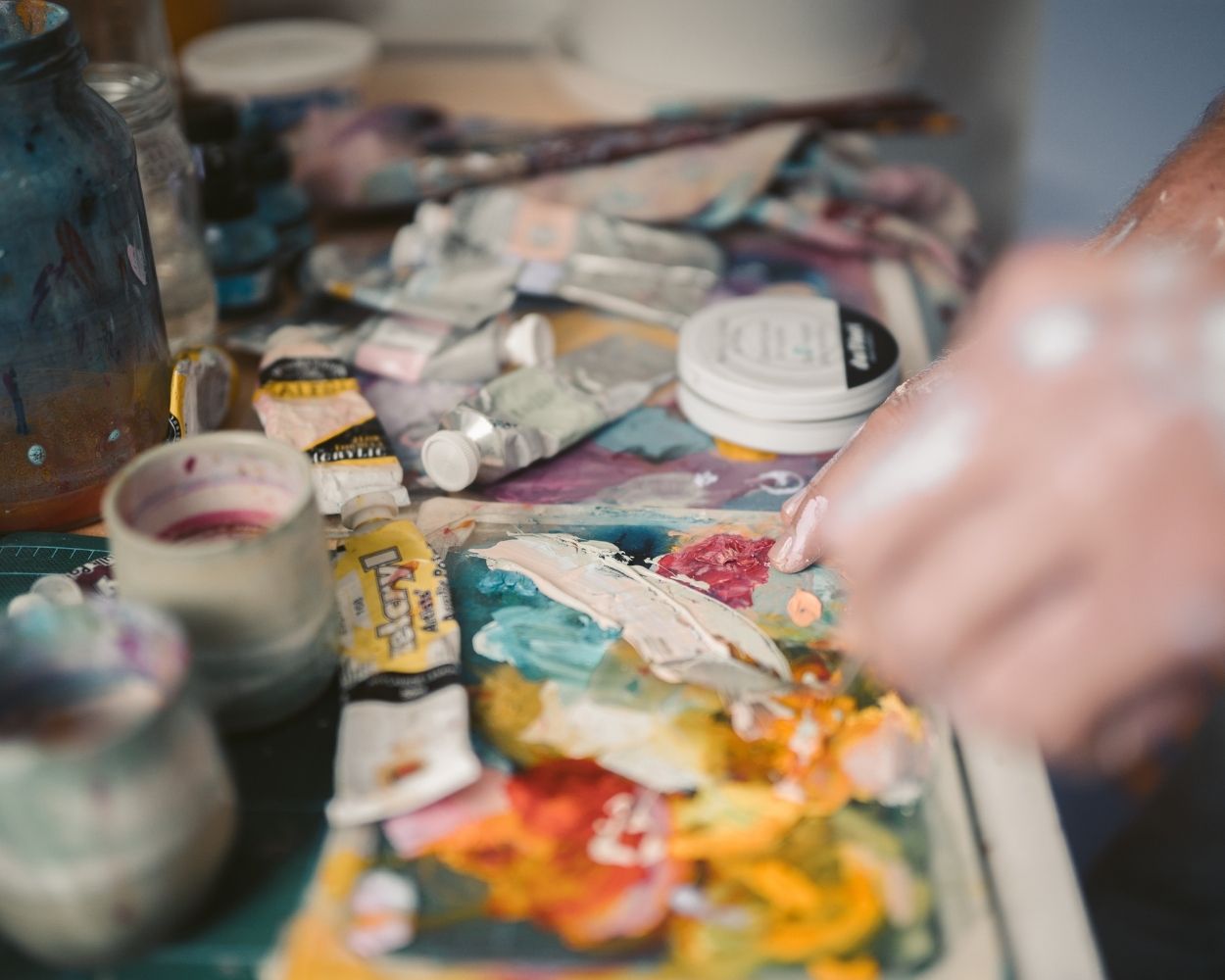
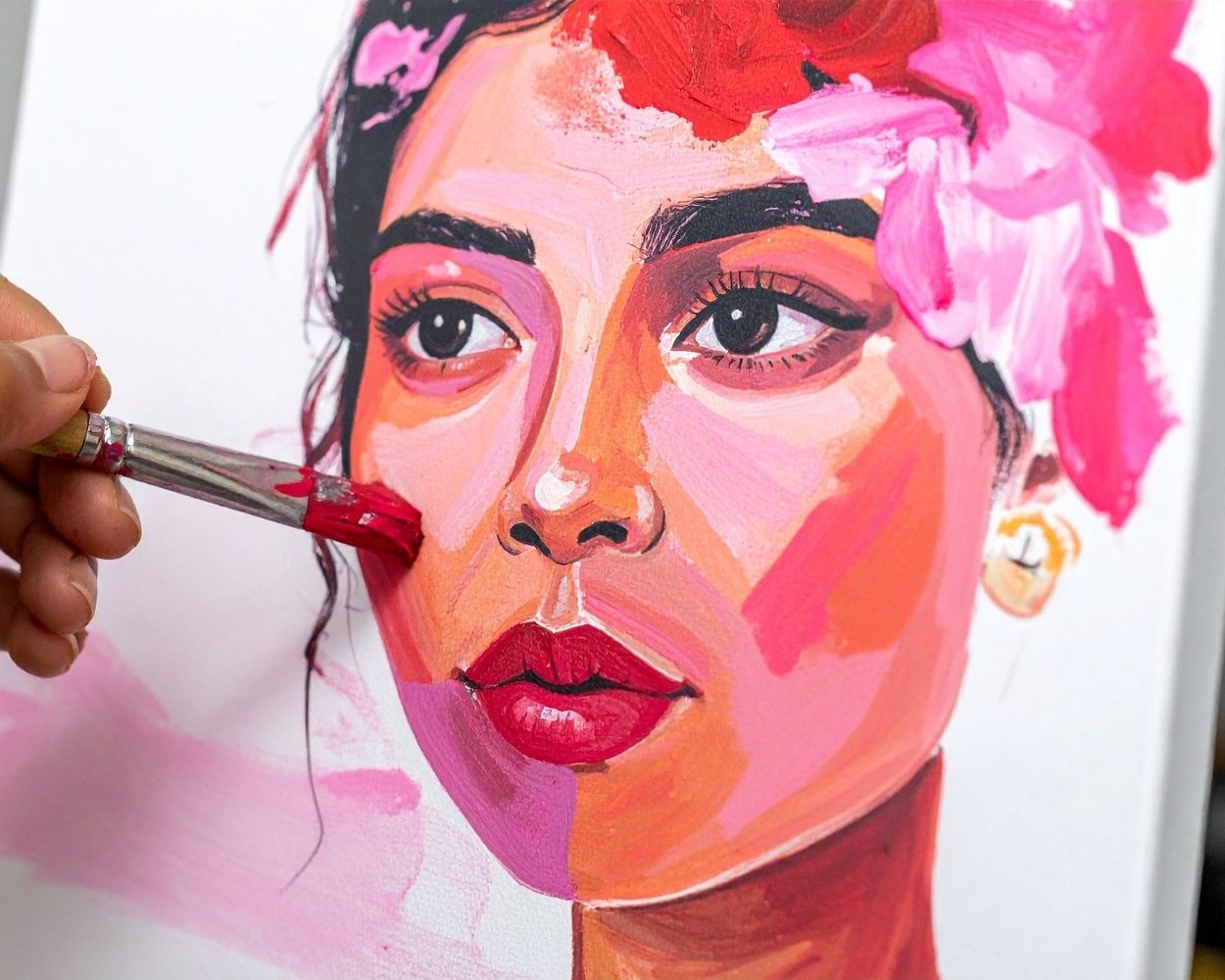
What Materials Do Professional Artists Use for Painting?

“What do professional artists paint with?” It sounds like a simple question, but the answer isn’t just one material or brand.

Most professionals don’t rely on a single medium. What they use depends on their process, subject, and how they want the final work to feel. That said, there are clear patterns in what shows up again and again in working studios.

Continue reading

abstract acrylic flow painting

Acrylic Pouring Mistakes to Avoid: What Not to Do for Better Results

Acrylic pouring looks simple. You mix paint, pour it, tilt the canvas, and something interesting happens. That’s the appeal. But it’s also where most problems start.

If your pours look muddy, crack, or just don’t behave the way you expect, it usually comes down to a few avoidable mistakes. Here’s what NOT to do if you want better results.

Continue reading

artist working on a painting

What Happens If You Don’t Use Gesso in Your Canvas?

It’s tempting to skip gesso. You’ve got a blank canvas, paint ready, and you just want to get started. Gesso can feel like an extra step that slows you down. And technically, yes, you can paint without it.

But what actually happens if you do?

Continue reading

paint materials

Why Do Artists Wet a Canvas Before Painting?

Wetting a canvas before painting is one of those studio habits you’ll see some artists swear by and others completely ignore. The truth is, it depends on what you’re trying to do.

Continue reading

painting on a blank canvas

10 Simple Ways to Make Your Art Look More Professional

Making your art look more “expensive” isn’t about faking anything. It’s about clarity, control, and good decisions. Viewers can sense when a piece feels resolved and intentional. That’s what gives work a higher-end feel.

Here are ten practical tips that make a real difference.

Continue reading

a man holding an abstract painting inside an art gallery

Cheap vs Expensive Canvas: Does It Really Make a Difference?

Walk into any art store and you’ll see a wide range of canvases, from budget packs to premium, hand-stretched linen. The price gap can be huge. So the question is simple: does it actually matter?

Short answer, yes. But maybe not in the way you think. Let’s start with what you’re really paying for.

Continue reading

art studio with several paintings on display

What Type of Paint Is Best for Canvas?

Canvas has been a favorite painting surface for centuries, and for good reason. It’s lightweight, durable, and holds paint well when properly primed. But one question comes up again and again in studios and classrooms: what type of paint actually works best on canvas?

The short answer is that several types work well. The real choice depends on how you like to paint and what kind of results you want.

Continue reading

canvas paintings for sale on the streets

What Happens If You Don’t Use Primer When Painting?

It’s tempting to skip primer. Yo’ve got a canvas, a wood panel, or a wall in front of you and you just want to start. Primer feels like an extra step, especially when you’re eager to paint.

But here’s the honest answer: sometimes you can get away with skipping it. Other times, you’ll regret it.

Let’s break down what actually happens when you don’t use primer.

Continue reading

woman looking at paintings in a gallery

Do You Have to Seal a Canvas Painting?

Short answer: sometimes. Longer answer: it depends on the medium, the purpose of the work, and how you expect it to live in the world.

Sealing a painting isn’t a universal rule, and it’s one of those topics where artists hear a lot of confident advice that doesn’t always apply.

Continue reading

artist with boat painting on canvas

How to Deal With Negative Reviews or Press as an Artist

At some point, if your work is visible, someone won’t like it. That’s not a failure. It’s a sign that your work has entered the public conversation. Negative reviews and critical press are part of being a working artist, whether you’re emerging or established.

The challenge isn’t avoiding criticism. It’s learning how to handle it without letting it derail your practice.

Continue reading