Tagged: networking

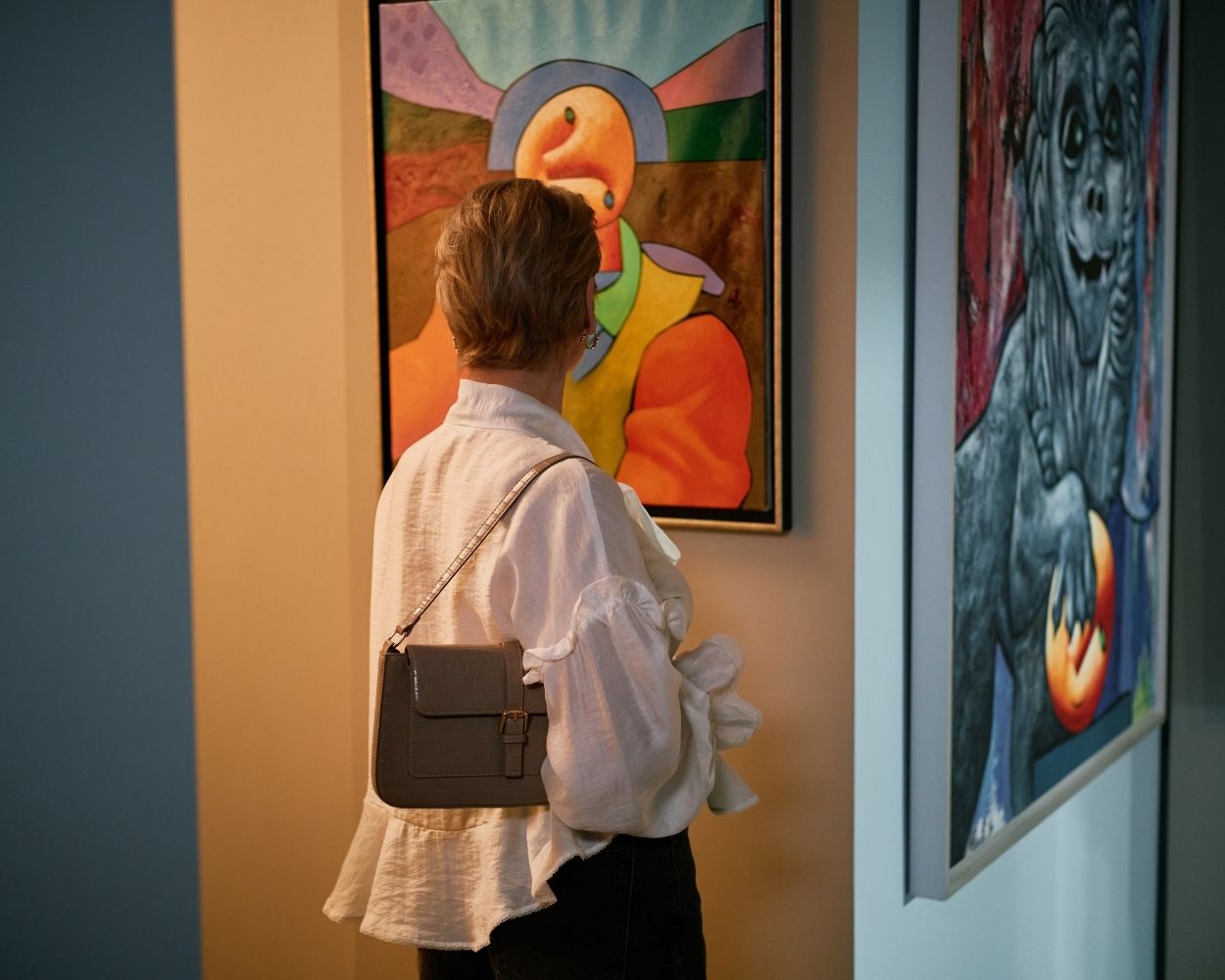
woman observing an art work at a gallery

How Artists Handle the Fear of Being Misunderstood or Overlooked

At some point, every serious painter runs into this: the work feels personal, considered, even necessary, and then the doubt creeps in.

What if no one gets it?
What if it gets ignored?

This isn’t a beginner problem. If anything, it shows up more once your work becomes intentional.

Here’s how many working artists deal with it in practice.

Continue reading

Prints on a table

What Type of Art Sells Fast

Every artist wonders at some point: What kind of art actually sells? Whether you’re trying to support your practice financially or just find an audience for your work, understanding what buyers tend to choose can help you make decisions without sacrificing your creative voice. Here’s a practical look at the types of art that tend to sell faster.

Continue reading

A woman painting flowers

What to Do When Art Gets Too Expensive to Create

Whether you’re a beginner experimenting with acrylics or a pro juggling gallery work, rising art supply costs can feel like a real creative barrier. Many contemporary artists have seen and felt that pinch but with a bit of planning and creativity, you can keep painting even when the budget tightens. Here’s how.

Continue reading

artist with boat painting on canvas

How Artists Can Build Confidence

If you’ve ever shown your work and wondered, “Do I really belong here?”, you’re in good company. Most artists, from beginners to established professionals, wrestle with the fear that their work won’t be taken seriously. That fear doesn’t mean you’re failing. It means you care. The real challenge is learning to create anyway.

Here’s how to build genuine confidence and move past the worry that your art isn’t “legitimate.”

Continue reading

5 Strategies to Earn Press Coverage and Recognition for Your Art

When you’ve spent hours in the studio, finishing that new piece you’re proud of, the next question often becomes: How do I get people and perhaps the press to notice it? As other artists will tell you, gaining media coverage or accolades doesn’t happen by accident. It happens with strategy, consistency and smart presentation.

Continue reading

How to Handle Negative Feedback and Rejection as a Painter

In the studio, negative feedback or rejection can feel brutal as though someone has judged you, not just your work. As painters, whether amateur or professional, it’s part of the game. The key is not to avoid it (you won’t) but to learn how to live with it and use it. Here’s how you can tackle this challenge.

Continue reading

Man and woman sitting in front of two paintings in a gallery

How Art Galleries Can Thrive Amid Changing Art Tastes

Running an art gallery is more than picking pretty paintings. At its heart, a gallery is a mediator between artists, collectors, and culture. And that terrain moves fast. Taste changes, attention shifts, new voices emerge. If you’re a gallery owner, navigating this flux is part of the job. Here’s how you can stay relevant, resilient, and in dialogue with changing tastes.

Continue reading

muralist working on urban mural

How Muralists Can Land Steady Work

If you love painting big, making walls come alive, and seeing work out in the public, then this is for you. Consistency in mural work isn’t a mystery. It’s a combination of smart prep, visible presence, professional habits, and relationships. Here’s how you, whether amateur or pro, can build a steady flow of mural jobs.

Continue reading

6 Tips for Painters in Finding Their Audience

If you’re a painter–amateur, pro, lecturer, or hobbyist–you’ve probably felt it: the fear that your work won’t be seen, that your voice won’t reach anyone. It’s real. But it doesn’t have to stop you. You can build visibility, even when fear is heavy. Here’s how.

Continue reading

How Art Studio Owners Can Build Financial Security

Running an art studio is deeply rewarding, but financially shaky. As painting sales, commissions, teaching income and studio rentals fluctuate, many studio-owners feel insecure about covering basic costs. The good news: there are strategies you can start now to bring stability, reduce stress, and build a buffer.

Continue reading