
Why Do Artists Wet a Canvas Before Painting?
Wetting a canvas before painting is one of those studio habits you’ll see some artists swear by and others completely ignore. The truth is, it depends on what you’re trying to do.
Wetting a canvas before painting is one of those studio habits you’ll see some artists swear by and others completely ignore. The truth is, it depends on what you’re trying to do.
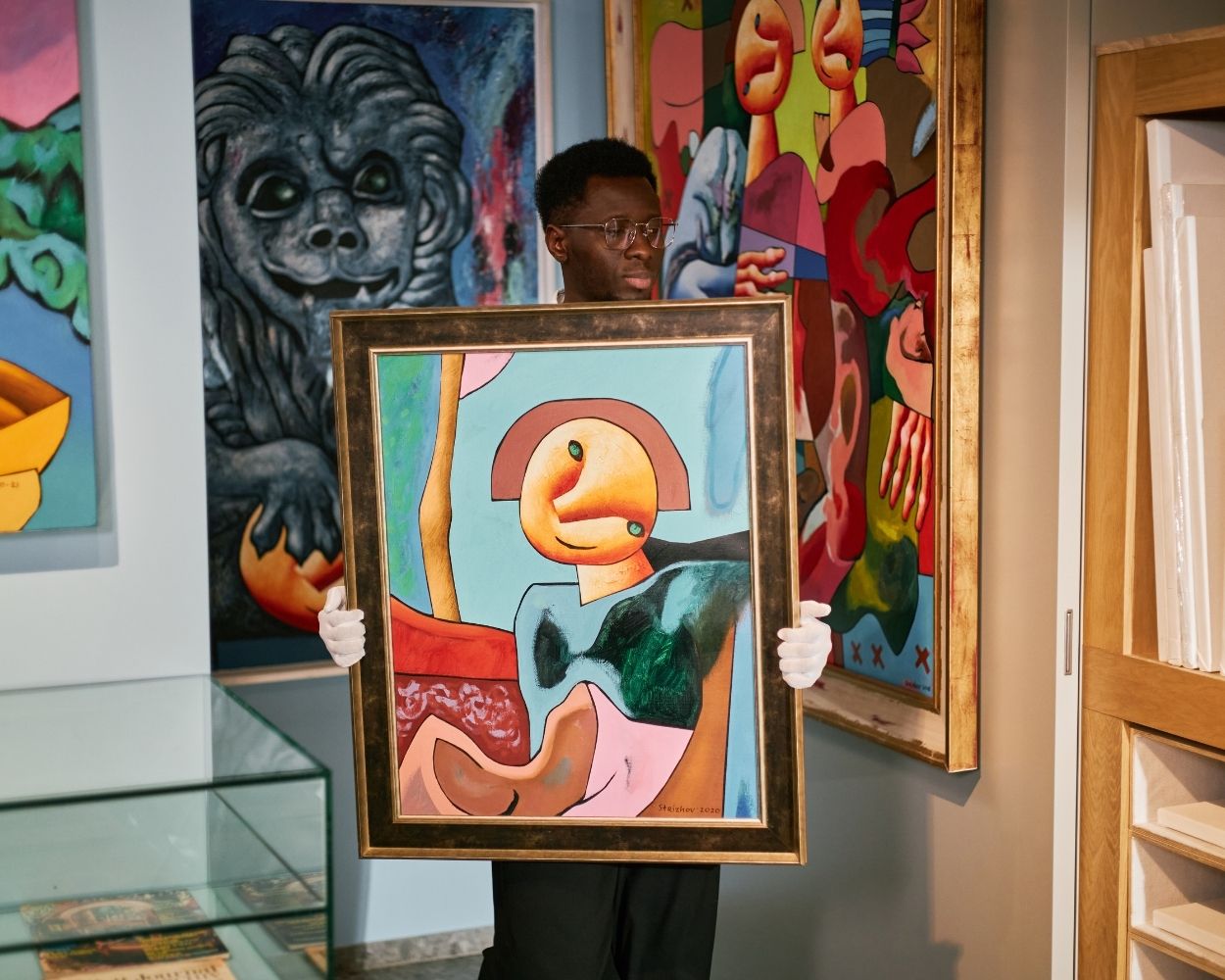
Walk into any art store and you’ll see a wide range of canvases, from budget packs to premium, hand-stretched linen. The price gap can be huge. So the question is simple: does it actually matter?
Short answer, yes. But maybe not in the way you think. Let’s start with what you’re really paying for.

Canvas has been a favorite painting surface for centuries, and for good reason. It’s lightweight, durable, and holds paint well when properly primed. But one question comes up again and again in studios and classrooms: what type of paint actually works best on canvas?
The short answer is that several types work well. The real choice depends on how you like to paint and what kind of results you want.
Short answer: sometimes. Longer answer: it depends on the medium, the purpose of the work, and how you expect it to live in the world.
Sealing a painting isn’t a universal rule, and it’s one of those topics where artists hear a lot of confident advice that doesn’t always apply.

At some point, if your work is visible, someone won’t like it. That’s not a failure. It’s a sign that your work has entered the public conversation. Negative reviews and critical press are part of being a working artist, whether you’re emerging or established.
The challenge isn’t avoiding criticism. It’s learning how to handle it without letting it derail your practice.
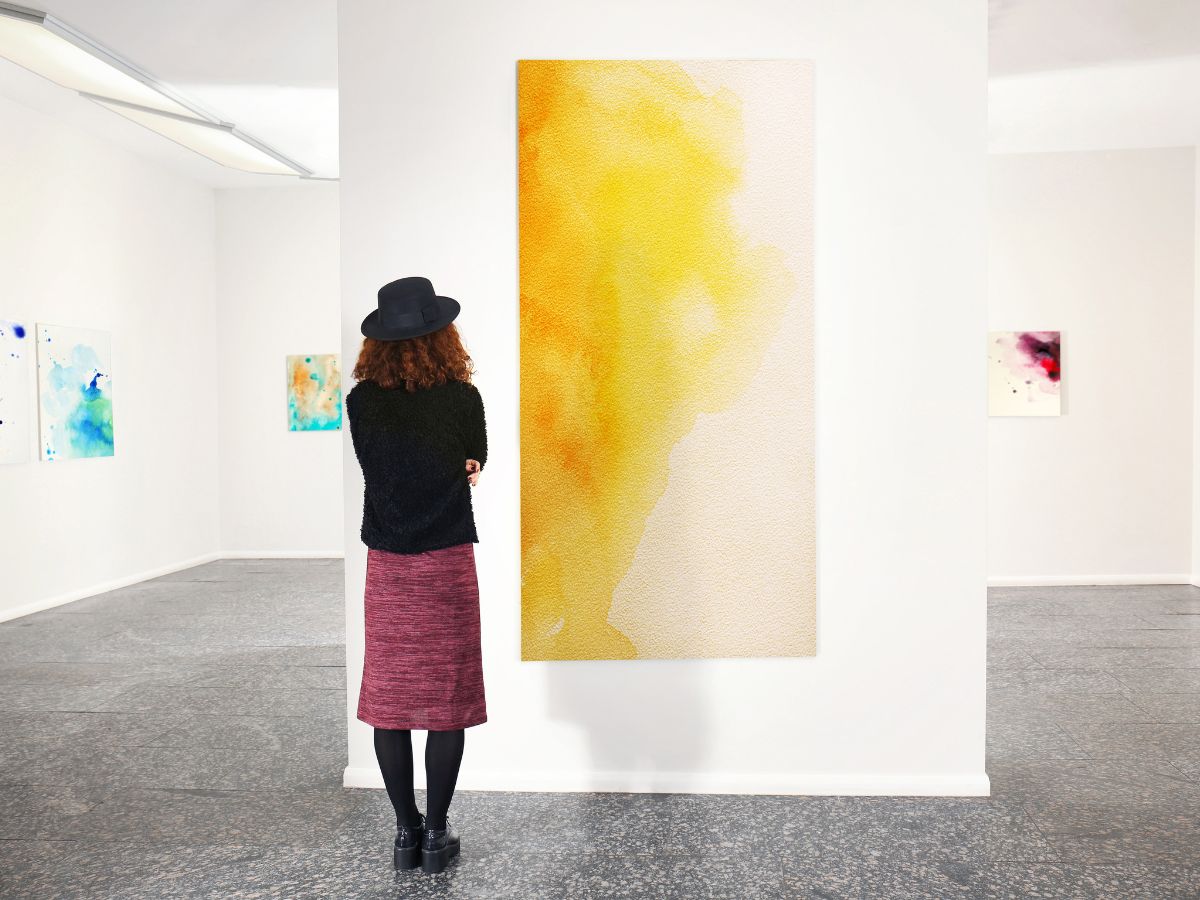
If you’ve ever stood in front of a massive painting and thought, How did they even get that thing?, you’re asking a very normal question. Those oversized canvases don’t magically appear in studios. They’re planned, built, and handled with a lot more problem-solving than most people realize.
Here’s how artists actually do it.
When you’re standing in front of a blank canvas, one of the first questions you’ll face is what paint should I use? The answer isn’t one-size-fits-all but understanding the properties of the main paint types makes choosing easier whether you’re just starting or have years in the studio.

There’s something thrilling about standing in front of a large canvas. The scale invites bold decisions, expressive gestures, and a physical connection to your art that smaller formats simply can’t match. But that sense of freedom can also come with challenges: intimidation, proportion issues, time management, and even fatigue. Here’s a guide to help you approach large canvases with confidence and clarity.

If you’ve ever wondered why so many painters talk about preparing their canvas before laying down color, you’re in the right place. Taking the time to prime and prepare your canvas pays off in ways that go far beyond neatness. It changes how your paints behave, how your colors look, and how your finished work feels.

If you’ve ever felt pulled between studio time and business tasks, know this: balancing creativity with business is a dynamic practice, not a fixed state. Some habits and strategies help keep the paint flowing and the art career moving forward. Try these tips: