Tagged: art community

Creative Burnout: Why It Happens and What Artists Can Do About It

Creative burnout doesn’t usually arrive all at once. It creeps in quietly. One day the studio feels flat. The next, picking up a brush feels heavier than it should. Ideas dry up, motivation dips, and everything starts to feel repetitive or pointless.

Burnout affects amateur painters, professionals, and hobbyists alike. In fact, the more seriously you take your work, the more vulnerable you may be.


Continue reading

artist with boat painting on canvas

How to Deal With Negative Reviews or Press as an Artist

At some point, if your work is visible, someone won’t like it. That’s not a failure. It’s a sign that your work has entered the public conversation. Negative reviews and critical press are part of being a working artist, whether you’re emerging or established.

The challenge isn’t avoiding criticism. It’s learning how to handle it without letting it derail your practice.

Continue reading

two people viewing paintings at anindoor art gallery

8 Tips on How Artists Can Balance Creativity and Business

If you’ve ever felt pulled between studio time and business tasks, know this: balancing creativity with business is a dynamic practice, not a fixed state. Some habits and strategies help keep the paint flowing and the art career moving forward. Try these tips:

Continue reading

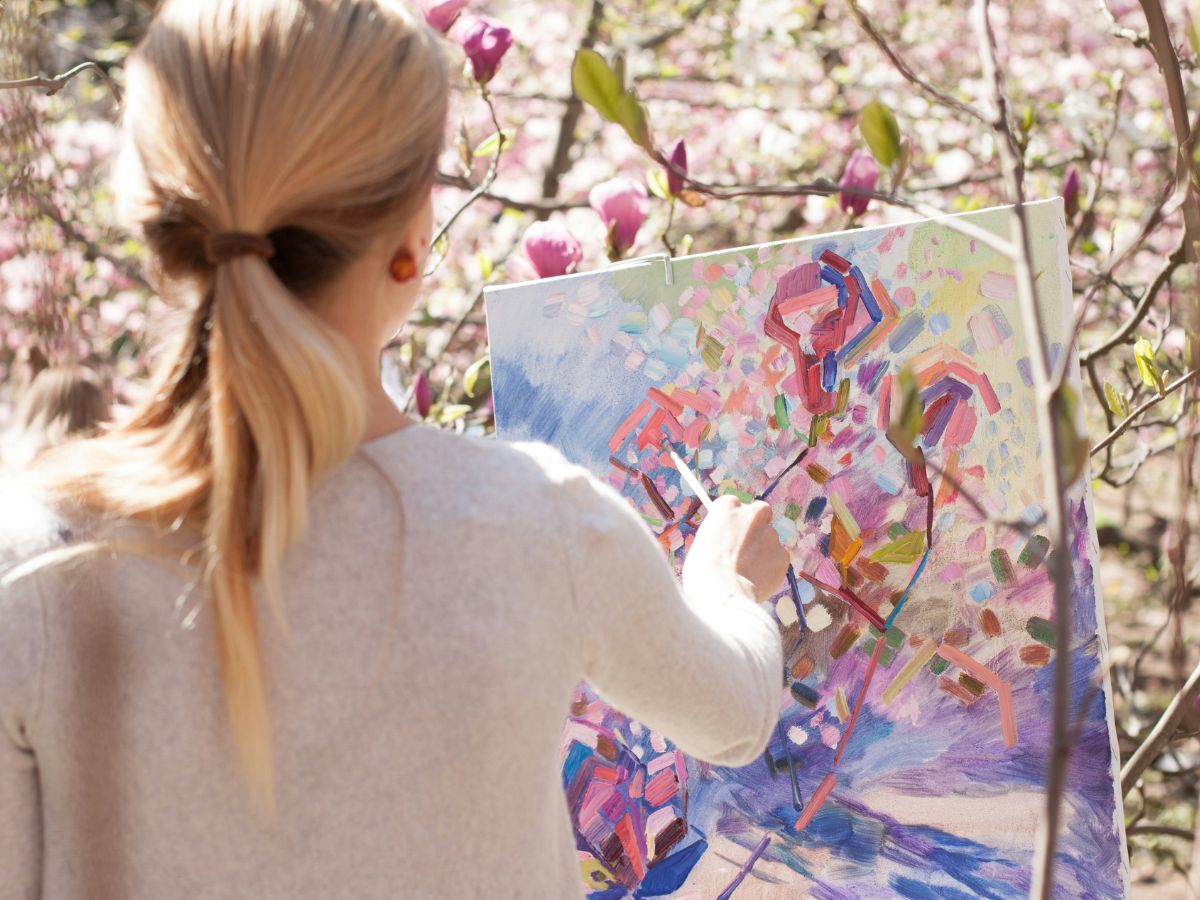
A woman painting flowers

What to Do When Art Gets Too Expensive to Create

Whether you’re a beginner experimenting with acrylics or a pro juggling gallery work, rising art supply costs can feel like a real creative barrier. Many contemporary artists have seen and felt that pinch but with a bit of planning and creativity, you can keep painting even when the budget tightens. Here’s how.

Continue reading

artist with boat painting on canvas

How Artists Can Build Confidence

If you’ve ever shown your work and wondered, “Do I really belong here?”, you’re in good company. Most artists, from beginners to established professionals, wrestle with the fear that their work won’t be taken seriously. That fear doesn’t mean you’re failing. It means you care. The real challenge is learning to create anyway.

Here’s how to build genuine confidence and move past the worry that your art isn’t “legitimate.”

Continue reading

How to Handle Negative Feedback and Rejection as a Painter

In the studio, negative feedback or rejection can feel brutal as though someone has judged you, not just your work. As painters, whether amateur or professional, it’s part of the game. The key is not to avoid it (you won’t) but to learn how to live with it and use it. Here’s how you can tackle this challenge.

Continue reading

art gallery visitors

Keeping Your Key Artists: How Galleries Prevent Talent Loss

In the art-world dance between galleries and artists, a key challenge for gallery managers is preventing the loss of star-creators to competitors. Whether you’re running a small independent space or part of a larger gallery, keeping good artists means more than contracts: it’s about relationship, support, and clear value.

Continue reading

muralist working on urban mural

How Muralists Can Land Steady Work

If you love painting big, making walls come alive, and seeing work out in the public, then this is for you. Consistency in mural work isn’t a mystery. It’s a combination of smart prep, visible presence, professional habits, and relationships. Here’s how you, whether amateur or pro, can build a steady flow of mural jobs.

Continue reading

6 Tips for Painters in Finding Their Audience

If you’re a painter–amateur, pro, lecturer, or hobbyist–you’ve probably felt it: the fear that your work won’t be seen, that your voice won’t reach anyone. It’s real. But it doesn’t have to stop you. You can build visibility, even when fear is heavy. Here’s how.

Continue reading

How Art Studio Owners Can Build Financial Security

Running an art studio is deeply rewarding, but financially shaky. As painting sales, commissions, teaching income and studio rentals fluctuate, many studio-owners feel insecure about covering basic costs. The good news: there are strategies you can start now to bring stability, reduce stress, and build a buffer.

Continue reading