Tagged: abstract art

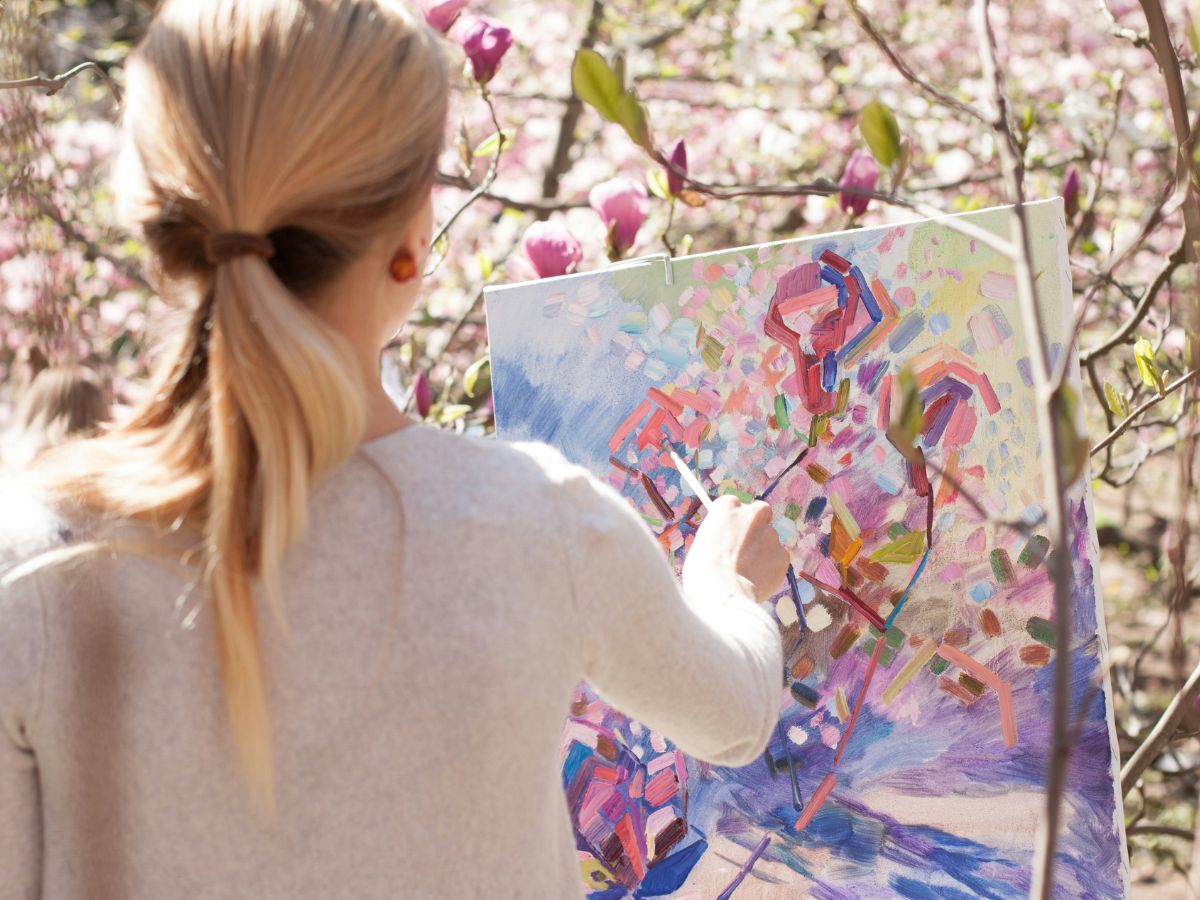
A woman painting flowers

What to Do When Art Gets Too Expensive to Create

Whether you’re a beginner experimenting with acrylics or a pro juggling gallery work, rising art supply costs can feel like a real creative barrier. Many contemporary artists have seen and felt that pinch but with a bit of planning and creativity, you can keep painting even when the budget tightens. Here’s how.

Continue reading

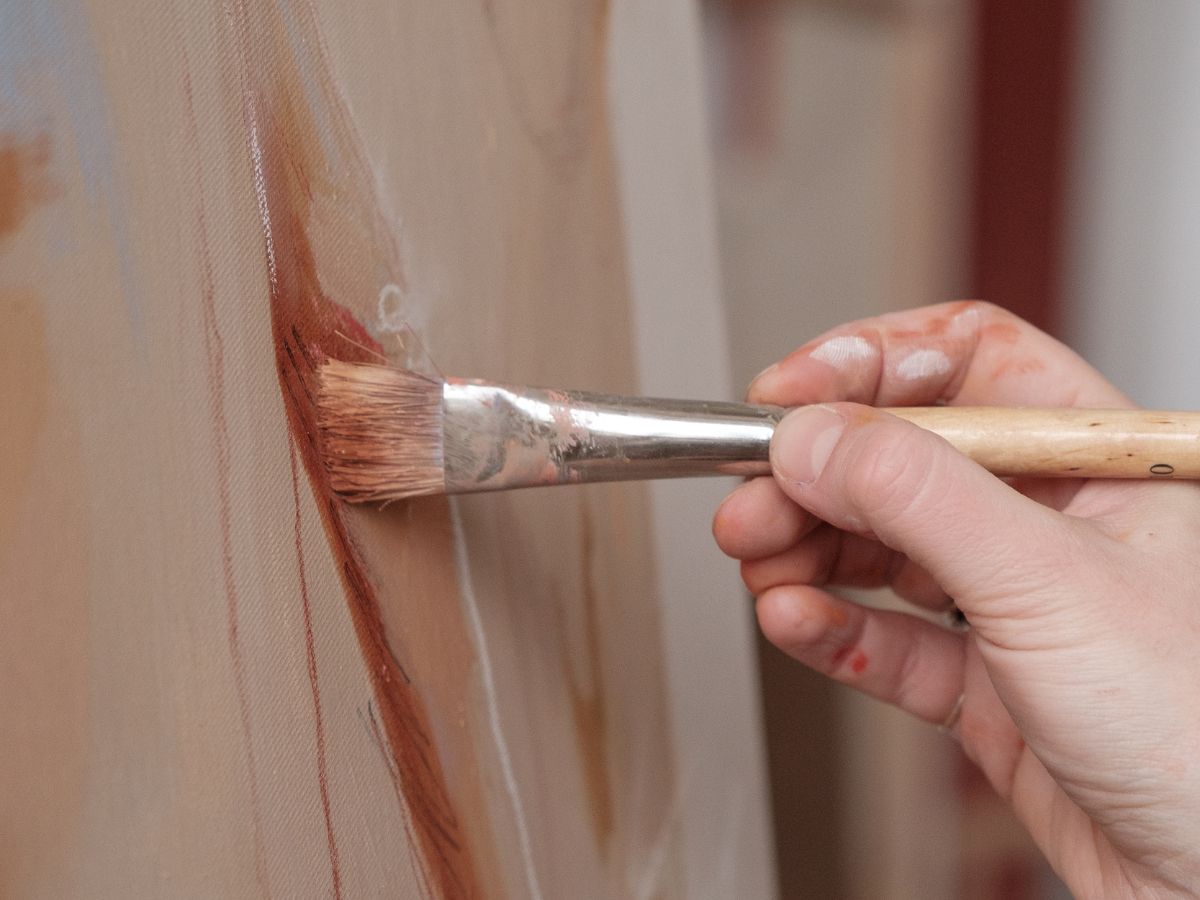
artist painting canvas close-up

Five Common Canvas Art Mistakes—And How to Avoid Them

Whether you’re just starting out or have framed a few gallery pieces, certain pitfalls keep tripping up painters again and again. Here are those common art mistakes and how fixing them can really improve your work.

Continue reading

orange and black sofa with throw pillows

How to Hang an Acrylic Painting: Pro Tips

Hanging an acrylic painting might feel simple, but it’s surprisingly easy to make mistakes that could damage the work or its presentation. From a studio standpoint, taking time to do it right matters. Whether you’re an amateur, a seasoned painter, or an art lecturer setting up student work, here’s a guide to hanging your acrylic paintings.

Continue reading

5 Strategies to Earn Press Coverage and Recognition for Your Art

When you’ve spent hours in the studio, finishing that new piece you’re proud of, the next question often becomes: How do I get people and perhaps the press to notice it? As other artists will tell you, gaining media coverage or accolades doesn’t happen by accident. It happens with strategy, consistency and smart presentation.

Continue reading

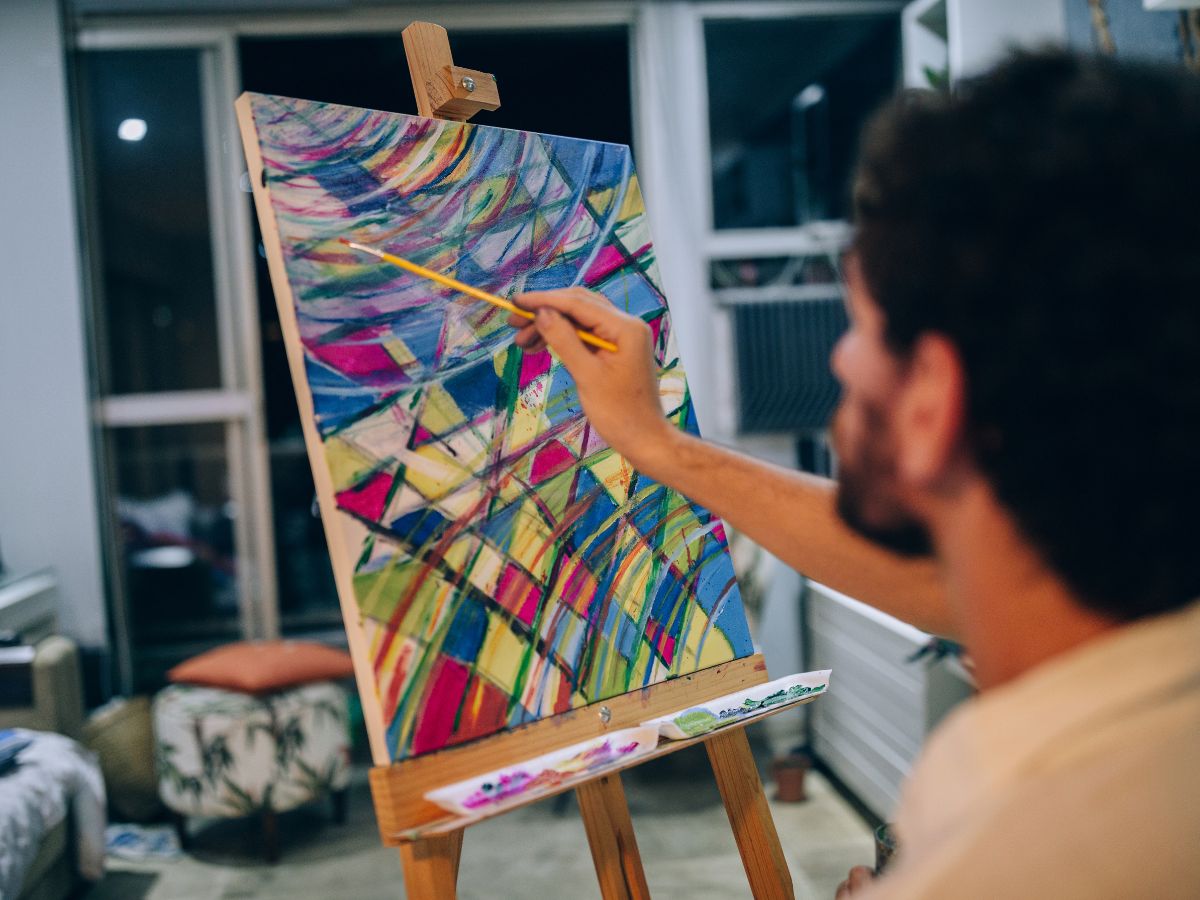
abstract painter working at home

Layering Like a Pro: Techniques for Creating Captivating Artwork

When you’re sitting with a fresh canvas (or panel) and an idea starting to form, one of the biggest opportunities and one of the most under-used is layering. Many beginners try to do everything in one go. But taking your time, building your piece in layers, can improve your work in ways that feel effortless once you get the hang of it.

Continue reading

custom wood panel for mixed media art

How to Combine Mixed Media with Wood Panels

If you’re a painter whether beginner, hobbyist, lecturer or pro, and you’ve mostly worked on canvas, considering a structured support like a wood panel for mixed media might open up fresh possibilities. Here’s a guide on combining mixed media with wood panels.

Continue reading

How to Transport and Store Wood Panel Art Without the Stress

When you’ve put in the effort to create a painting on a wood panel, transporting and storing that work properly is just as important as the painting itself. Here are practical steps to help keep your work safe, flat, and ready for display or shipping.

Continue reading

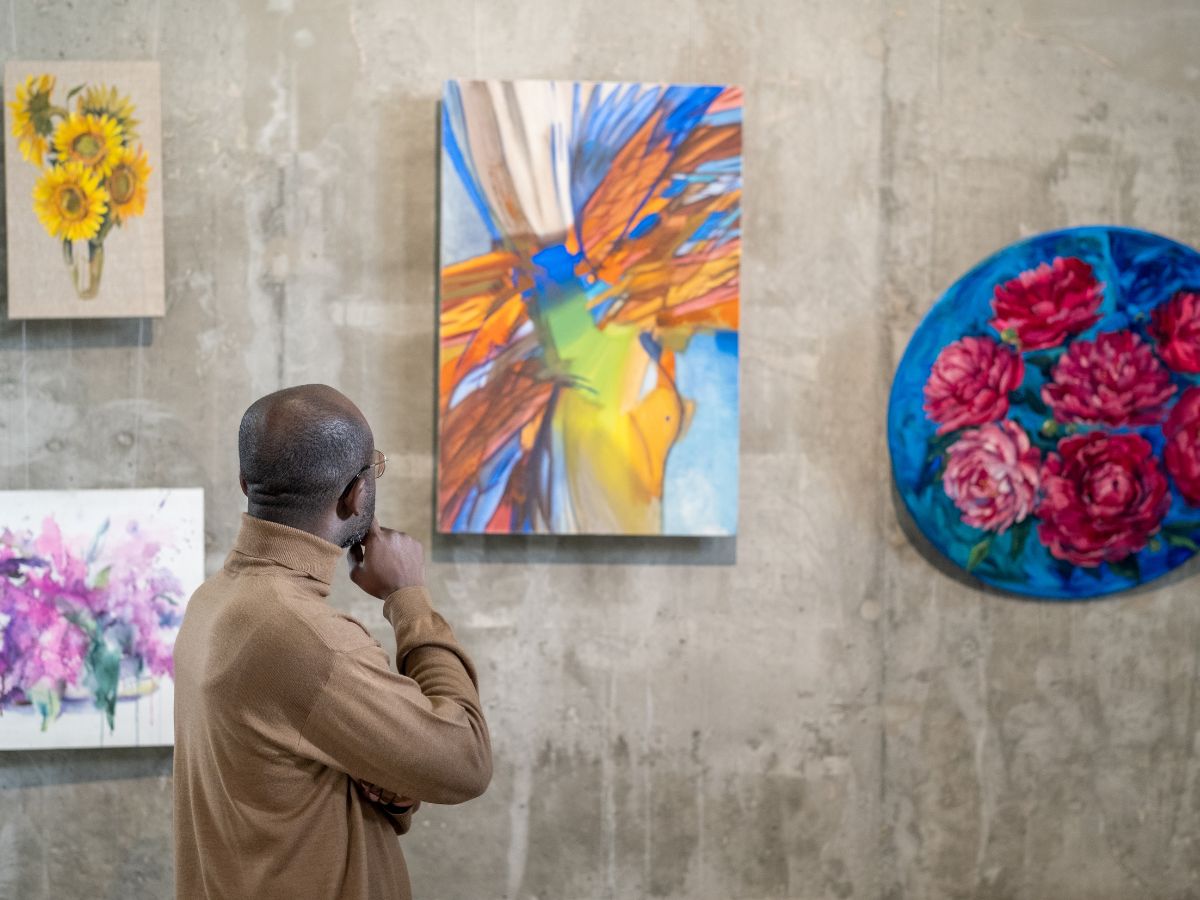
a man visiting an art gallery

What Are the 4 Main Art Styles? A Guide for Artists and Hobbyists

When people talk about “art styles,” sometimes it feels like they’re speaking another language. In practice, though, many works fall broadly into a few main categories or styles that help us see how artists think, not just what they paint. Here are four major art styles and how they show up in your work or studies.

Continue reading

A woman looks at a contemporary painting at a gallery

How to Choose the Right Canvas for Acrylic Painting

When you pick up your brush and tubes, the canvas underneath matters more than you might think. The “right” canvas for acrylic painting doesn’t just support paint, it interacts with it. Whether you’re just starting or refining your materials, here’s how to choose canvases: material, texture, strength, and finish.

Continue reading

The 4 Stages of Painting: Step-by-Step for Artists

Every painting whether a quick sketch or a large, refined work, typically moves through stages. Knowing these stages helps you work more deliberately, spot what phase you’re in, and avoid getting stuck. Here’s a breakdown of four common stages of painting.

1. Planning & Design (or “Pre-stage”)

Before a brush ever touches the canvas, you’re already painting in your head. This stage includes:

  • Sketching thumbnails or rough compositions
  • Deciding the format, aspect ratio, cropping
  • Choosing a ground (tone) or underpainting color
  • Working out value structure, major shapes, and color mood

Paintings with strong outcomes often start with a solid design: layout, balance, focal points. Some artists do several small studies here before committing to the final canvas.

Continue reading