Category: Information

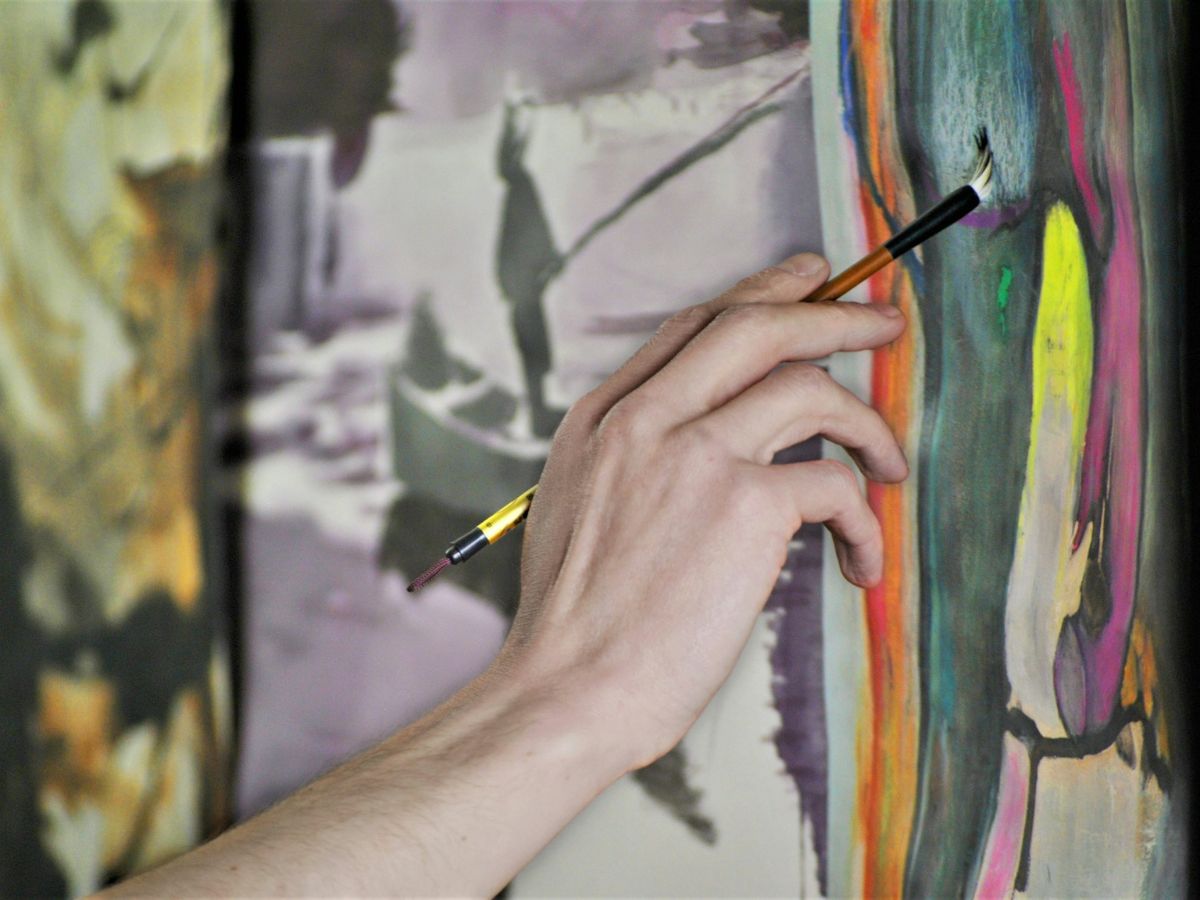
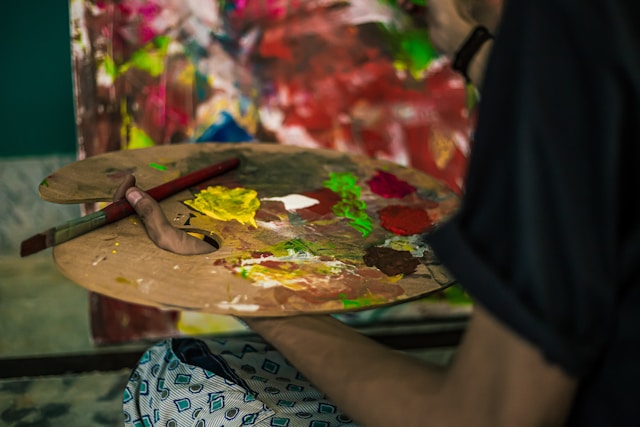
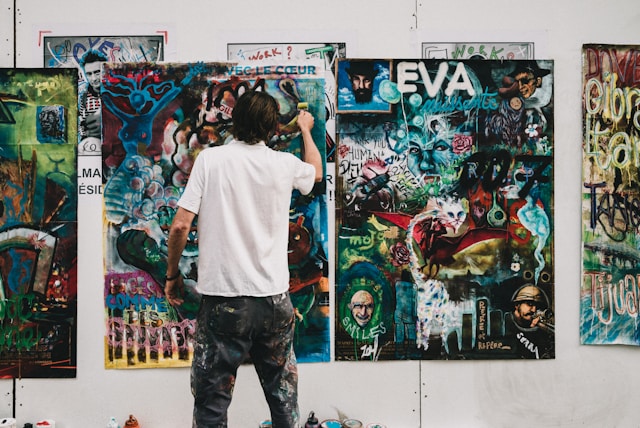
person holding a paint brush while painting

Overcoming Limited Exposure as an Artist: Practical Tips for Gaining Visibility

For many artists, one of the most frustrating challenges is limited exposure. Despite pouring passion and effort into their work, many talented individuals struggle to get their art seen by a wider audience. This lack of visibility can be discouraging, but there are effective strategies to overcome this hurdle.

Here are some practical tips to help you increase your exposure and get your art noticed:

1. Leverage Social Media

  • Choose the right platforms.

Instagram: A visual-centric platform ideal for sharing artwork. Use high-quality images, engaging captions, and relevant hashtags to reach a broader audience.

Pinterest: Another great platform for visual content. Create boards showcasing your art and join group boards to increase visibility.

Facebook: Create an artist page to share your work, updates, and events. Engage with art groups and participate in discussions to network with other artists and potential buyers.

  • Consistency is key. Post regularly to keep your audience engaged. Create a content calendar to plan your posts and maintain a steady flow of content.
  • Engage with your audience. Respond to comments and messages. Building a relationship with your followers can turn them into loyal supporters who share your work with others.

2. Build a Professional Website

  • Showcase your portfolio. A professional website serves as a portfolio where potential clients and galleries can view your work. Include high-quality images, detailed descriptions, and prices.
  • Blog about your art. Write about your creative process, inspiration, and upcoming projects. Blogging can attract visitors through search engines and give them deeper insights into your work.
  • Optimize for SEO. Use relevant keywords in your website content to improve search engine rankings. This makes it easier for people to find your site when searching for art online. Here are sample keywords to use: Abstract canvas wall art, Christmas canvas wall art, Concept art.

3. Participate in Art Exhibitions and Fairs

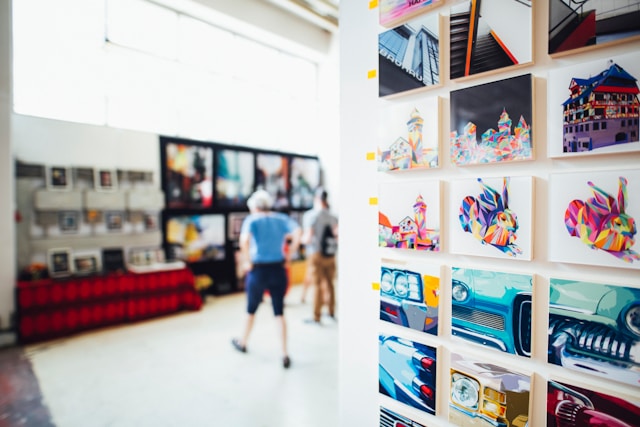
  • Local galleries and art fairs. Participate in local art shows and fairs. These events are excellent opportunities to showcase your work, meet other artists, and connect with art lovers and buyers.
  • Online art competitions. Many organizations host online art competitions. Participating in these can increase your visibility and, if you win, provide accolades that enhance your credibility.
  • Collaborate with other artists. Team up with other artists for joint exhibitions or projects. Collaboration can introduce your work to a new audience and create exciting new opportunities.

4. Network and Connect

  • Join art communities. Become an active member of online and offline art communities. Engage in discussions, share your work, and offer constructive feedback to others.
  • Attend art events. Go to gallery openings, workshops, and art lectures. Networking at these events can lead to valuable connections with gallery owners, curators, and fellow artists.
  • Seek mentorship. Find a mentor who can offer guidance, support, and connections in the art world. Mentors can provide valuable insights and help navigate the challenges of gaining exposure.

5. Utilize Art Marketplaces

  • Online art platforms. Platforms like Etsy, Saatchi Art, and Artfinder allow you to sell your work to a global audience. Ensure your listings are well-crafted with clear images and descriptions.
  • Print-on-demand services. Services like Redbubble and Society6 let you sell prints and merchandise featuring your art. This can provide additional income and exposure.

6. Create and Share Content

  • Video content. Create videos of your painting process and share them on YouTube or TikTok. Video content can reach a wide audience and provide a personal connection to your work.
  • Offer workshops and tutorials. Host online workshops or create tutorial videos. Teaching others not only showcases your expertise but also builds a community around your work.
  • Email marketing. Build an email list and send regular newsletters with updates about your latest works, upcoming exhibitions, and special offers. Email marketing keeps your audience informed and engaged.

Gaining exposure as an artist requires persistence and a multifaceted approach. By leveraging social media, building a professional online presence, participating in exhibitions, networking, utilizing online marketplaces, and creating engaging content, you can increase your visibility and reach a wider audience.

Stay patient and proactive, and over time, your efforts will pay off with increased recognition and opportunities for your art.

Exploring the Canvases of Famous Artists

Artists throughout history have utilized various mediums and canvases to express their creativity and leave a mark on the world of art. From Renaissance masters to modern visionaries, each artist brought their unique style and technique to their chosen canvas.

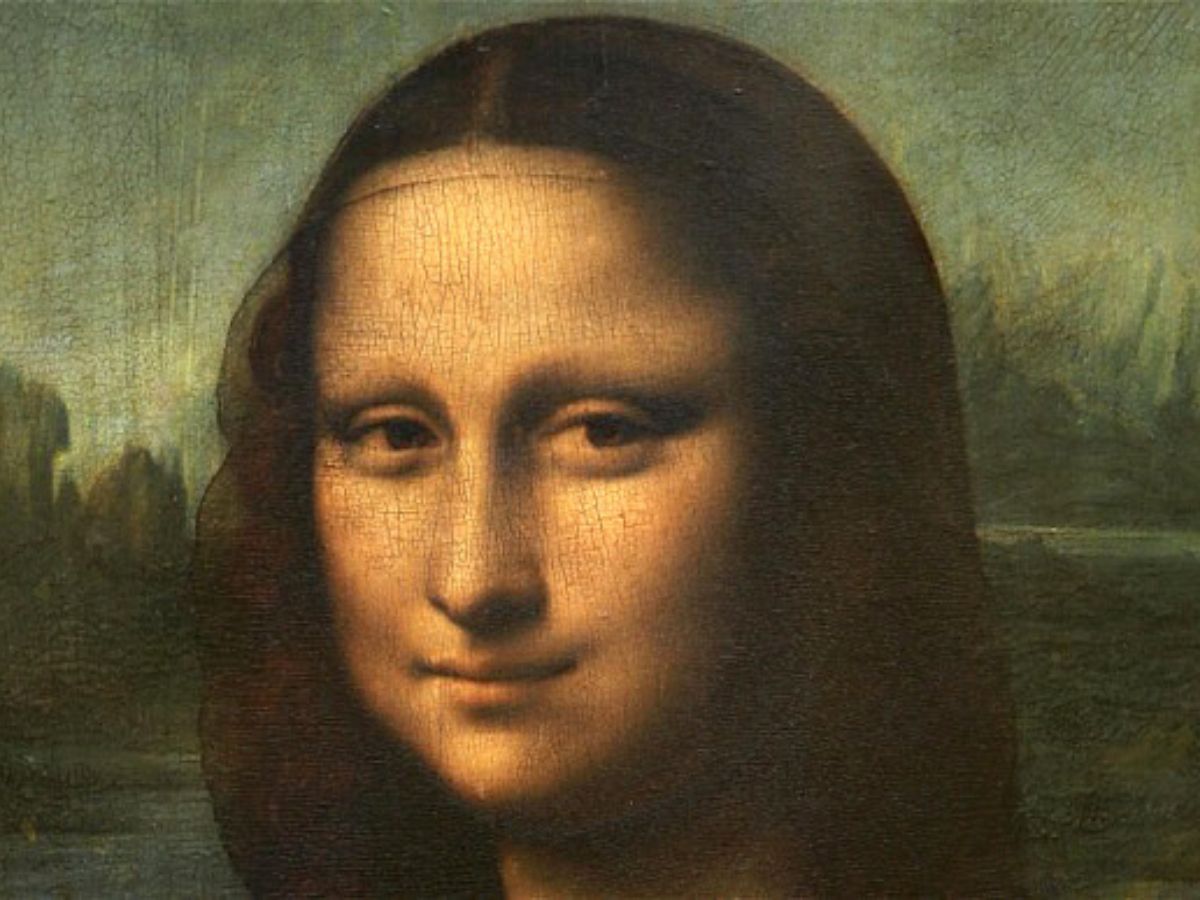
Leonardo da Vinci. Mona Lisa. 1503. Louvre Museum.

Leonardo da Vinci

The epitome of the Renaissance man, Leonardo da Vinci, is celebrated for his mastery in multiple disciplines, including painting. While he experimented with different surfaces, Leonardo often favored wood panels coated with gesso for his iconic works like the Mona Lisa and The Last Supper. His meticulous attention to detail extended to the preparation of his canvases, ensuring a smooth and durable surface for his brushstrokes.

Da Vinci was incredibly particular about the quality of his materials. He used oil paint that he made by hand from ground pigments and he often sourced the finest wood and gesso for his paintings. His commitment to perfectionism is evident in the timeless beauty and precision of his artworks.

La Nuit étoilée. Vincent van Gogh. 1889. Oil on canvas, 73 × 92 cm (28.7 × 36.2 in). Museum of Modern Art (New York City)

Vincent van Gogh

Vincent van Gogh revolutionized the art world with his bold use of color and expressive brushwork. He preferred heavy, textured canvases that allowed him to apply thick layers of paint in his distinctive impasto style. He also experimented with unprimed surfaces such as hessian, a coarse fabric made from hemp or jute. His masterpieces, such as Starry Nigh” and Sunflowers, are renowned for their dynamic energy and emotional intensity.

The tormented genius is known for his dedication to his craft, painting for hours without rest. Despite his struggles with mental illness and personal hardships, he poured his heart and soul into his canvases, leaving behind a legacy that continues to inspire artists and art enthusiasts worldwide.

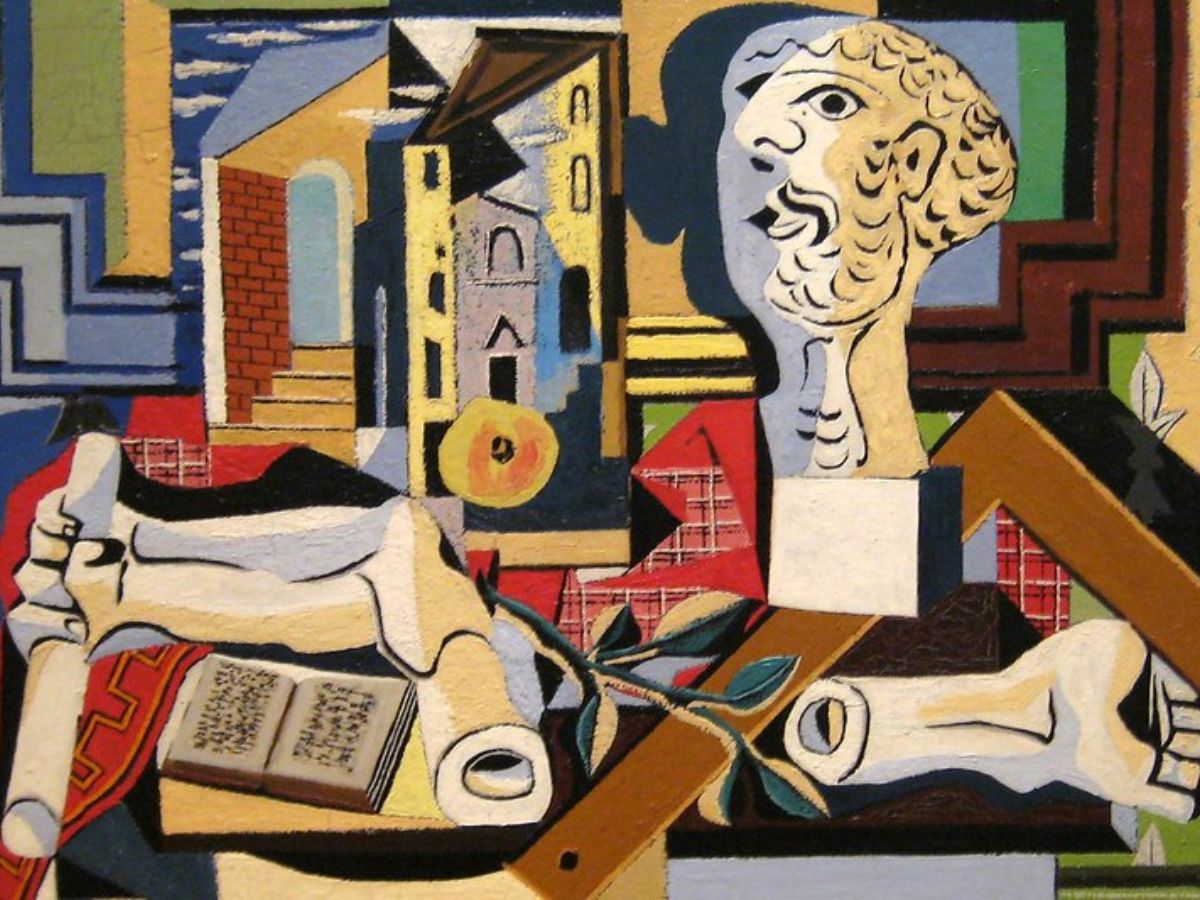
Studio with Plaster Head. Pablo Picasso. 1925. Oil on canvas. 38 5/8 x 51 5/8" (97.9 x 131.1 cm).
Studio with Plaster Head. Pablo Picasso. 1925. Oil on canvas. 38 5/8 x 51 5/8″ (97.9 x 131.1 cm).

Pablo Picasso

Pablo Picasso knew no bounds–he fearlessly pushed the boundaries of art and creativity. He experimented with various mediums and techniques throughout his career. He painted on linen canvas, plywood and wood panel. From his early Blue and Rose Periods to his later Cubist explorations, Picasso’s versatility and innovation are evident in every brushstroke.

Georgia O’Keeffe

The pioneering spirit of Georgia O’Keeffe revolutionized the world of modern art with her bold, abstract depictions of flowers and landscapes. O’Keeffe often worked on large-scale canvases, allowing her to explore the intricate details of her subjects with precision and clarity. Her iconic paintings, such as Jimson Weed and Black Iris, capture the essence of the American Southwest with a timeless elegance.

O’Keeffe has a deep connection to nature as evident by her bodies of work. She finds inspiration in the vast landscapes and rugged beauty of the desert. Her artistic vision transcended mere representation, offering viewers a glimpse into the soul of the natural world through her canvases.

The canvases chosen by famous artists played a crucial role in shaping their artistic vision and legacy. Whether it was Leonardo da Vinci’s meticulous wood panels or Jackson Pollock’s unconventional floor canvases, each surface became a blank canvas for artistic expression and innovation.

Get Your Painting Canvas from CanvasLot

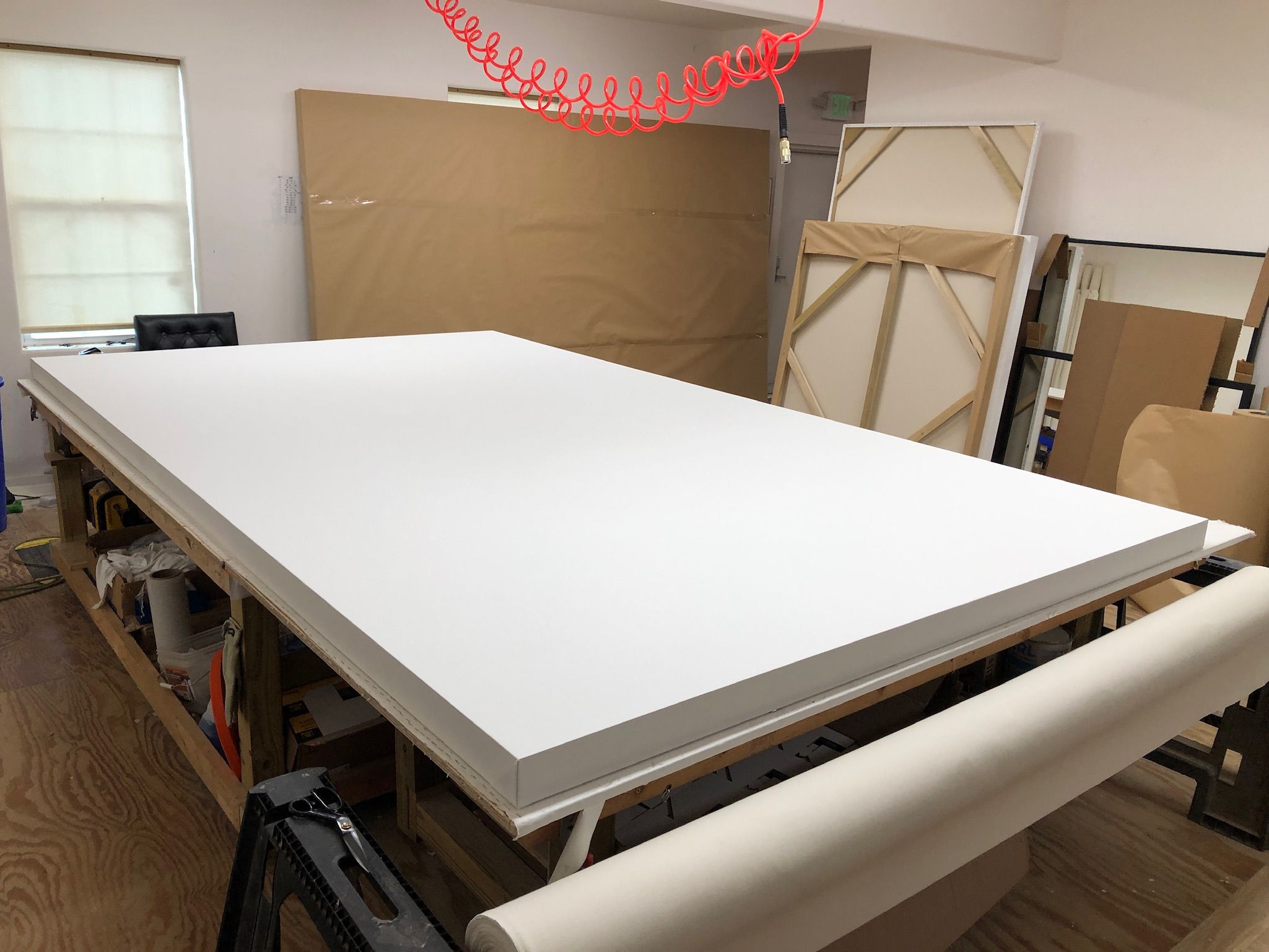
CanvasLot specializes in custom-size canvases for painting. We offer hand-stretched, gallery-wrapped canvases from 6 inches up to 12 ft. Ordering can be done online and we’ll deliver your canvas right at your doorstep.


Painter's palette

Which is the Best Canvas for Acrylic Painting?

Selecting the perfect canvas for your acrylic masterpiece can be likened to choosing the ideal brushstroke—each decision shapes the final outcome. With a lot of options available, from stretched to unprimed, finding the best quality canvas can feel like navigating a labyrinth of artistic choices.

To help you choose the best canvas for your acrylic painting, here are three factors to consider:

Fabric. Painting canvases are commonly made from two materials–linen and cotton. Artists agree that linen canvas is the better canvas compared to cotton because of its durability and archival quality.

Cotton, on the other hand, provides a softer and smoother surface than linen. It’s also more accessible and budget-friendly. All of CanvasLot’s canvases are made from 100% cotton.

To know more about the difference between a linen and cotton canvas, read the article: Painting on Linen vs Cotton Canvas

Prime or Umprimed. Priming a canvas gives you a smooth surface to paint on and helps prevent it from rotting. Most canvases are pre-primed with gesso to save you time and effort.  Acrylic paint adheres better on a primed canvas and the paint will not sink into the canvas. All of CanvasLot’s canvas surfaces are double primed with acid-free acrylic gesso ready to be painted on.

If you enjoy preparing your canvas from scratch, you can choose an unprimed canvas and apply gesso yourself.

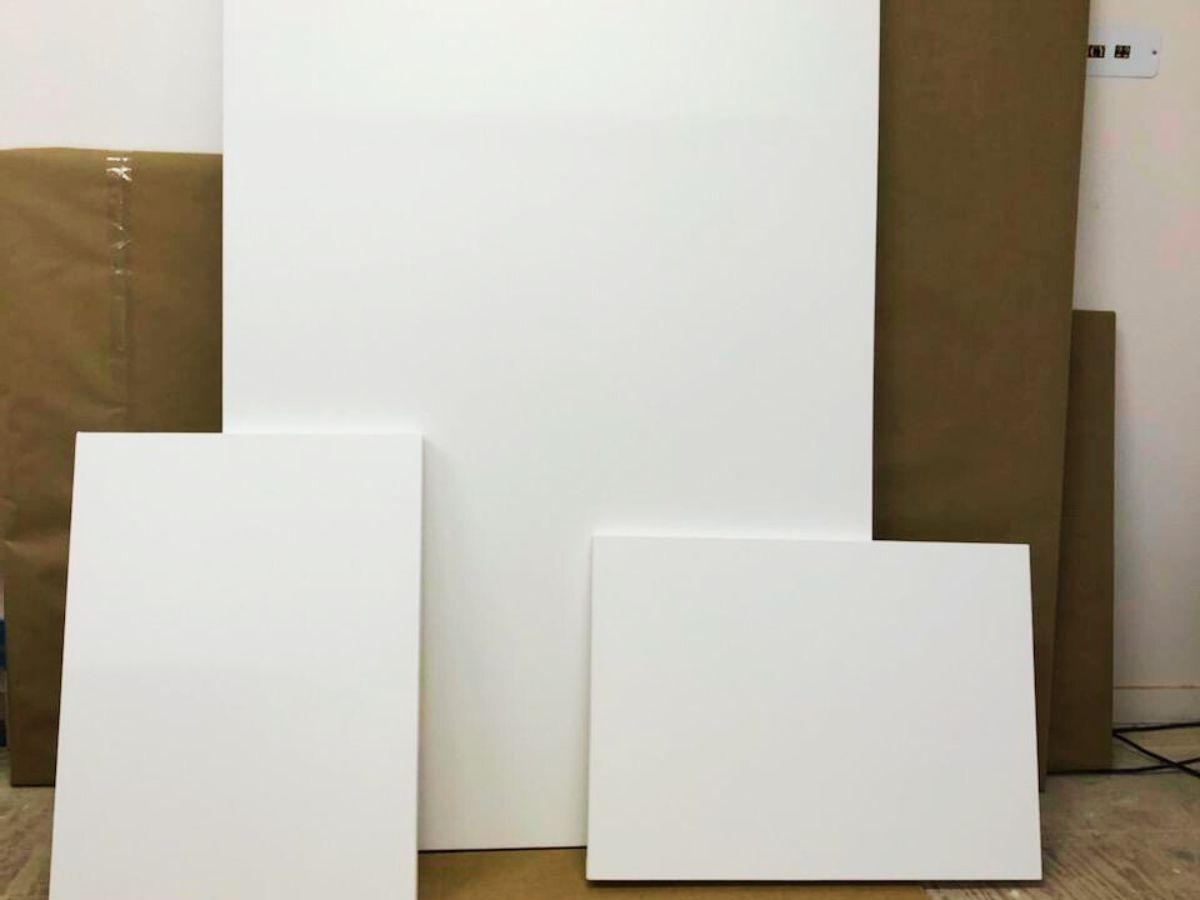
Custom-sized canvases from CanvasLot

Types of Canvases. There are several types of canvases available in the market, each catering to different skill level, painting style, budget and desired outcome.

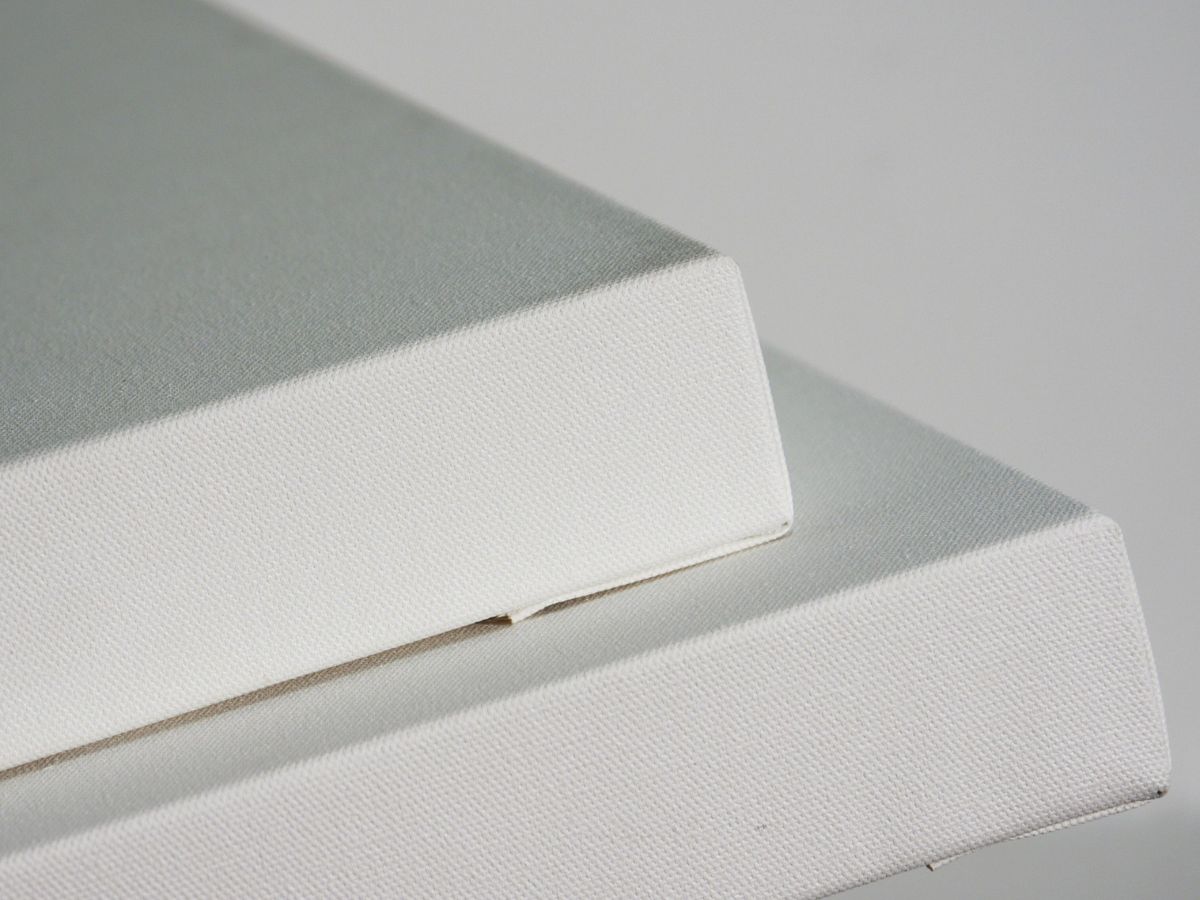
  • Stretched canvas – A stretched canvas is one of the most popular types of canvas for acrylic painting. The fabric (either linen or cotton) is stretched over and stapled on a wooden frame called stretcher bars.
  • Canvas panels – A more affordable alternative to stretched canvas, canvas panels are usually made from cotton that is mounted onto a rigid board. It is thinner, more portable and is a good choice for beginners.
  • Canvas papers – These are sheets of primed canvas that are bound together as a pad or book. Another budget-friendly option that’s ideal for students and novice artists.
  • Canvas rolls – A canvas roll is usually used used when creating large paintings. It is made from linen or cotton and comes in different weights, textures and fibers. You can get it primed or unprimed. Sold by yard, canvas rolls are on the expensive side of canvases. This option is ideal for an experienced painter.

In conclusion, the best canvas for acrylic painting depends on your personal preferences, skill level and budget. Whether you prefer the convenience of pre-primed canvases or the tactile allure of unprimed linen, selecting the perfect canvas is an important step in bringing your artistic vision to life.

Want to know more about canvases for painting? Contact us and we’ll gladly answer your questions.

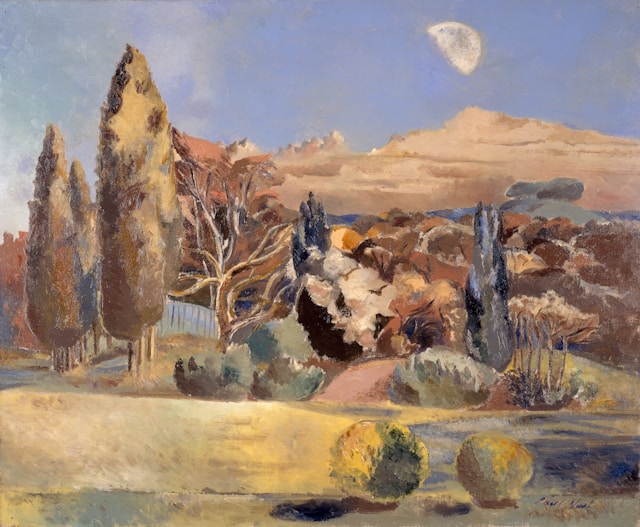
Landscape of the Moon's First Quarter, 1943 by Paul Nash (d. 1946)

Caring for your Artwork: 5 Simple Ways

Having an artwork is an investment both emotionally and financially. Whether you’re the painter or the art collector, making sure that your painting is in pristine condition should never be a difficult task.

Here are five simple ways on how to care, clean and store your artwork:

Dust regularly. Keep your paintings in tip-top shape by dusting them regularly. If the painting is on a wall, bring it down first and place it on the floor against a wall at an angle before dusting.

Use a soft, clean brush or a microfiber cloth to gently sweep away dust and dirt. Think of yourself as a painting detective, revealing the true beauty hidden beneath the grime! Avoid feather dusters since its fibers could latch on the canvas and edges of the paint itself.

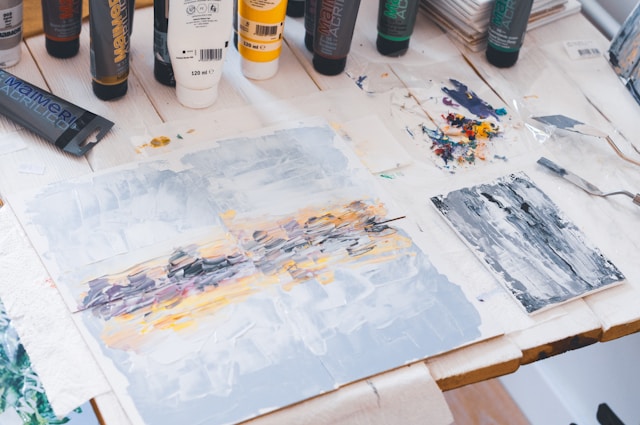
Photo by Joseph Morris on Unsplash

Avoid direct sunlight. Sunlight—the painter’s best friend and worst enemy! While natural light can enhance the beauty of your artwork, prolonged exposure can cause colors to fade and canvas to deteriorate faster than last week’s leftovers.

Keep your paintings out of direct sunlight or consider using UV-filtering glass to protect them. It’s like giving your masterpiece its own pair of sunglasses!

Check the temperature and humidity. Whether you’re hanging or storing your painting, it’s important to pay attention to the room’s temperature and humidity. Avoid extreme heat and cold temperatures since these will damage your artwork.

According to art experts, between 21-24 degree Celsius is the optimal temperature to keep paintings. Be mindful of ceiling lights which can deteriorate your painting in the long run. Also, keep your paintings away from air conditioning units, radiators, fireplaces, and air vents.

Store properly.  When it’s time to tuck your paintings away for a little rest, give them the VIP treatment! Store them vertically in a cool, dry place away from damp basements and hot attics.

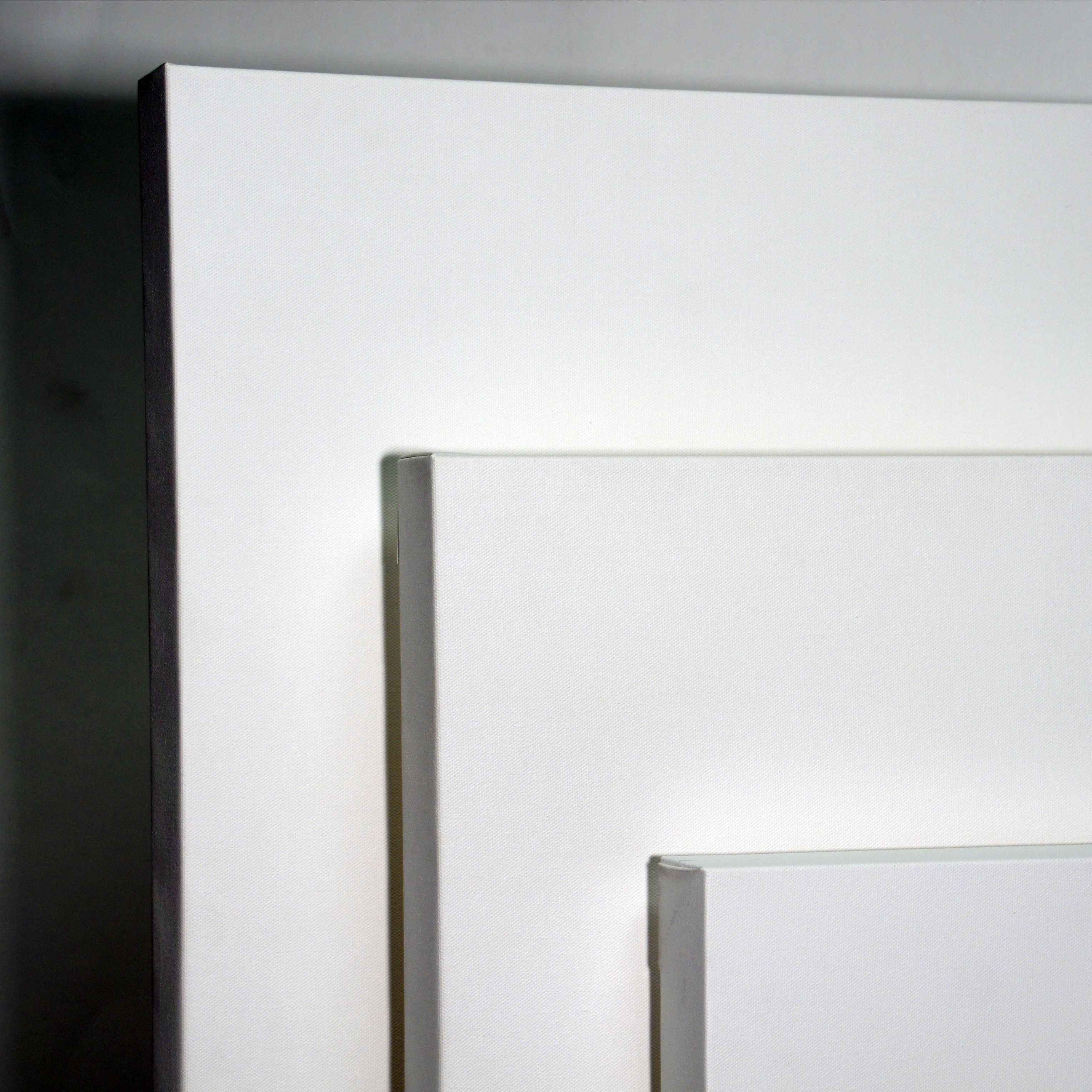
If you’re stacking them, make sure to place protective sheets between each painting to prevent scratches and smudges. The front of the canvas should be stacked against the front–and not the back, of another canvas. Make sure that the stretcher bars rest over stretcher bars so there are no sharp edges (corners) pushing into the canvas of another painting.

Tip: Put paintings on crates or other stable platform to prevent the them from touching the ground that exposes them to dirt. And, if you live in a flood-prone area, these crates will keep your paintings safe and dry.

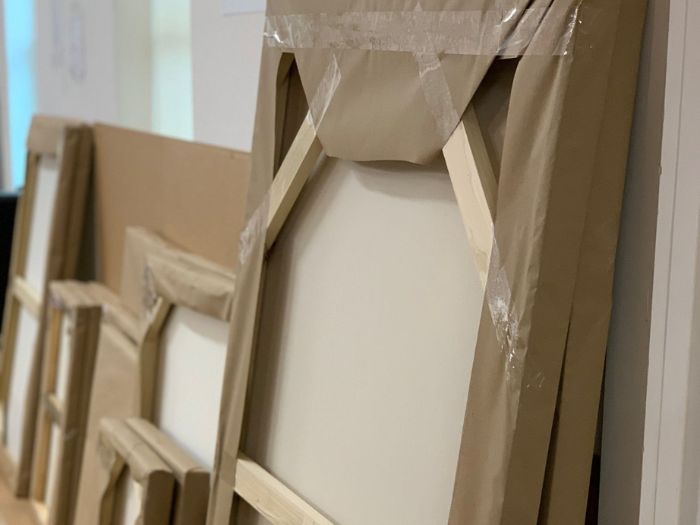
Packed canvases
Packed canvases

Handle with care. Always handle your painting with care. Hold the artwork by the frame or edges and prevent touching the surface of the painting. The oil in your fingertips  can damage the artwork.

Always have acid-free paper, bubble wrap, corner protectors, foam cushions, etc. on hand. These inexpensive items will protect your painting while in storage, and during moving or shipping.

Want to learn more about how to ship your painting? Check out How to Pack and Ship Canvas Art for more!

Keep in mind these simple tips so you can enjoy your painting for many years to come.

Remember, happy paintings make for happy art lovers!

If you’re looking for high-quality canvases, contact us! Whether you want a custom-sized or standard size canvas, our staff is ready to help you.

Featured image: Birmingham Museums Trust

How to Pack and Ship Canvas Art

Packing and shipping framed canvas art requires careful attention to ensure the artwork arrives at its destination safely and in pristine condition. Here’s a step-by-step guide to pack and ship framed canvas art:

1. Gather materials. Before you begin, gather all the necessary materials. You’ll need a sturdy cardboard box slightly larger than the artwork, acid-free paper, bubble wrap, air cushions, packing paper, packing tape, cardboard corner protectors, and a marker for labeling.
2. Wrap the artwork. This step has many layers. Take your time during this step.

  • Make sure that the frame is secure and there are no loose piece (hanging hardware, wires, etc.) that could damage the art during shipping.
  • Use acid-free paper to wrap the artwork. This will protect the piece from marks and indentations that could damage it.
  • Tightly wrap the artwork in cling film. Start from the back of the frame and wrap the cling film around the artwork several times.
  • Wrap the framed canvas art in several layers of bubble wrap. Take note that the bubbles should be facing away from the surface of the painting. Ensure that the entire surface of the artwork is covered, paying extra attention to the corners and edges, which are vulnerable to damage during transit. Secure the bubble wrap in place with packing tape.

Tip: When packing a very large framed artwork, it’s better to remove the glazing since there’s a greater risk of the glass breaking during transit. Put a clean sheet of cardboard on the painting to protect it.

Packed canvases for shipping

3. Protect the corners. Place cardboard corner protectors over the corners of the framed canvas to provide additional reinforcement and protection against impacts.

4. Prepare the box. Line the bottom of the cardboard box with a layer of packing paper or bubble wrap to cushion the artwork. If shipping multiple pieces, separate them with additional layers of packing material to prevent them from rubbing against each other.

5. Position the artwork in the box. Carefully place the wrapped and protected framed canvas art in the center of the box, ensuring that it is positioned upright and does not touch the sides of the box. Fill any empty spaces with additional packing material, such as bubble wrap or packing peanuts, to prevent shifting during transit.

Tip: Make sure that you’ve filled the box with air cushions and/or insulation foam so the artwork doesn’t move at the center of the box.

6. Seal the box. Once the artwork is securely positioned in the box, seal the box with packing tape. Reinforce the seams and edges of the box to prevent it from opening during shipping.

7. Label the box. Use “Fragile” and “Handle with Care” stickers all around the shipping box. Include the sender’s and recipient’s addresses, as well as any special instructions for the carrier.

8. Choose a shipping method. Select a reputable shipping carrier that offers insurance and tracking services for valuable items. Consider opting for expedited shipping or additional insurance coverage for added peace of mind.

9. Schedule pickup or drop-off. Arrange for the packaged artwork to be picked up by the shipping carrier or drop it off at a designated shipping location. Be sure to obtain a receipt or tracking number as proof of shipment.

10. Monitor shipment. Keep track of the shipment’s progress using the provided tracking number. Notify the recipient once the artwork has been successfully delivered.

Packing a canvas art may take so much of your time, but it will give you and your client peace of mind. Also, remember that the time spent packing your artwork is a fraction of the time you spent creating it.

How Artists Can Find Clients for Commission Projects

Photo by Ahmed Raza Kz on Unsplash

In the art industry, securing commission projects stands as an endeavor for artists aiming to sustain their craft and build a thriving career. Yet, in a landscape saturated with talent, navigating the path to finding clients can be challenging. However, with strategic approaches and a proactive mindset, artists can effectively connect with potential clients and secure commission projects.

  • Cultivate an online presence. Establishing a professional website or portfolio on online platforms can showcase past work, artistic style, and contact information. Social media also provide additional avenues for artists to share their creations, engage with a broader audience, and attract potential clients through visual storytelling and networking.
  • Online artist communities. Actively participating in online artist communities and forums can expand an artist’s reach and visibility. DeviantArt or Reddit offer spaces for artists to share their work, receive feedback, and connect with like-minded individuals. Engaging with these communities not only fosters a sense of belonging but also opens doors to collaboration opportunities and client referrals.
Photo by Michał Parzuchowski on Unsplash
  • Local art shows and fairs. These events provide valuable exposure and networking opportunities within the artist’s community. Artists can showcase their work directly to potential clients, art enthusiasts, and industry professionals. Building relationships with local businesses, galleries, and art organizations can also lead to commission opportunities through referrals and partnerships.
  • Word-of-mouth marketing. This strategy is free! Satisfied clients can become powerful advocates for an artist’s work, spreading recommendations and referrals to their networks. Remember that your relationship with a client doesn’t end upon sale. You should provide exceptional customer service, maintain open communication, and deliver high-quality work to cultivate positive relationships and generate repeat business and referrals.
  • Seek out potential clients. Look for businesses, organizations, and individuals who may require commissioned artwork aligned with your style and expertise. Write personalized pitches and proposals that demonstrate an understanding of the potential client’s needs and vision to significantly increase the likelihood of securing commission projects.

Finding clients for commission projects may present challenges, but maintaining a dedication to your craft and adopting these approaches can help you establish yourself as sought-after painters and cultivate a thriving career in the competitive world of arts.

Where to Get Custom-sized Canvases?

At CanvasLot, we understand the importance of a canvas that complements your artistic vision. Our hand-stretched, custom-sized canvases are designed with the artist in mind, providing a blank slate for your imagination to unfold.

Why buy canvases from CanvasLot?

  • Custom-sized canvases. Our canvases can be custom-sized according to your needs. We offer small canvases for your minis and large canvases of up to 12ft.
  • High-quality surface. Our canvases have a sturdy and durable surface that can withstand the rigors of the painting process, including multiple layers of paint, blending, and reworking. This durability ensures that your artwork will stand the test of time without warping or deteriorating.

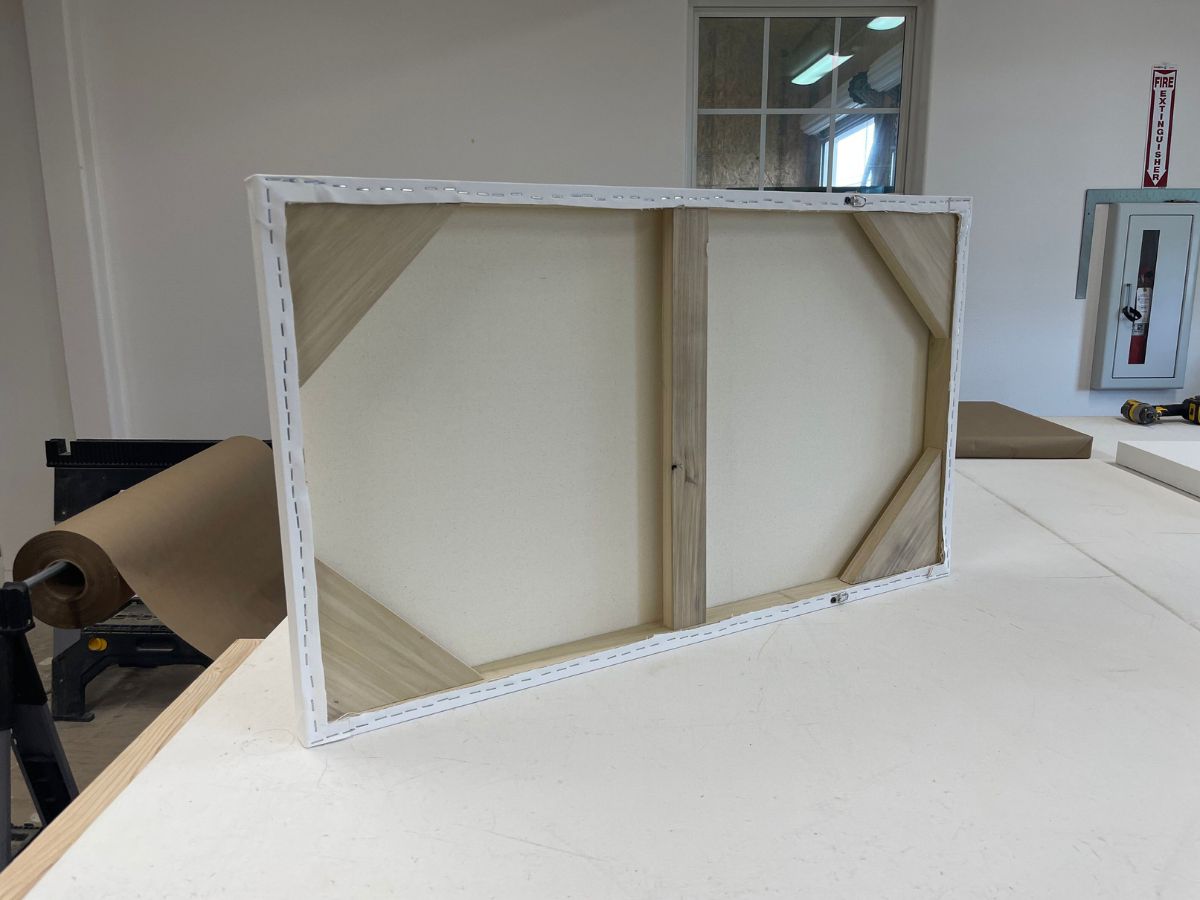
  • Any stretcher bar depth. We offer many different stretcher bar depth (thickness) for your canvas. Order online and get your custom-stretched canvas with the exact size that you need.
  • Hand-stretched to perfection. Our canvases are tightly stretched, especially in the corners, to give you the perfect tension when painting. You wouldn’t want your canvas to be sagging later and ruining your art.
  • Heavy-duty wood frame. We provide high quality and tightly-stretched canvases supported by heavy duty solid wood frame. We’ve been working with artists to provide canvases that professionals and enthusiasts will love.
  • Elegant reusable wood case with double wall cardboard. Protect and deliver the finished artwork to your clients in a professional wood frame case with double wall cardboard, custom built for the canvas. The wood case is also made from the same heavy duty hardwood and will last as long as the canvases come in it.

  • Back-stapled. All of our canvases are gallery-wrapped and back-stapled for a classic and elegant look. The canvas is tightly stretched and folded over the frame and is secured with staples on the back.
  • Free shipping. We deliver nationwide for free!

Looking for a canvas that reflects your unique style? Check out our website, Canvaslot.com, where we offer custom-sized canvas options tailored specifically to your preferences.

How to Manage Unsold Paintings

Managing unsold paintings can be a common challenge for artists. Here are some suggestions on how to handle and potentially monetize your unsold artwork:

  • Create an Online Portfolio. Build a professional website by using online platforms like Etsy, DeviantArt, or Saatchi Art to showcase your unsold paintings. This provides a centralized location for potential buyers to discover and purchase your work.
  • Social Media Promotion. Social media is your friend. Leverage social media platforms such as Instagram, Facebook, X (formerly Twitter), TikTok, and Pinterest to showcase your artwork. Regularly share images, stories, and updates about your paintings to increase visibility.

  • Art Shows and Exhibitions. Join local art shows, galleries, or exhibits to display and sell your paintings. Networking with other artists and art enthusiasts at such events can also open up new opportunities.
  • Limited-Time Promotions. Create limited-time promotions or discounts for your unsold paintings to encourage sales. This can be especially effective during holiday seasons or special events.
  • Prints and Reproductions. Consider offering prints or reproductions of your unsold paintings. This allows you to reach a broader audience at a lower price point and provides an alternative for those who may not be able to afford original artwork.
  • Collaborate with Local Businesses. Partner with local businesses such as cafes, restaurants, or offices to display and sell your artwork on consignment. This can attract potential buyers who may not have visited traditional art galleries.
  • Art Leasing. Explore the option of leasing your artwork to businesses or individuals. Some people might be interested in rotating artwork in their spaces without committing to a purchase.

12ft Canvas for Painting

Artists sometimes feel pressured when facing a blank canvas. Imagine facing a 12-ft canvas for painting. For both budding artists and seasoned painters alike, the prospect of tackling a large canvas can be simultaneously exhilarating and daunting.

Imagine standing in front of a canvas that’s bigger and higher than you! Does it intimidate you or inspire you?

For newbies, a 12-ft canvas offers a big space for experimentation. Mistakes can be part of a grand artwork and can give lessons to the budding artist. Explore techniques and embrace the freedom of creating art on a large canvas.

While some professional painters are used to painting on big canvases, others may still feel challenged. Keep in mind that a 12-ft canvas is an opportunity to push the boundaries and delve deeper in your artistic creativity and expression.

Regardless of skill level, a 12-ft canvas is not without trials. From handling, shipping and storing, the canvas itself presents a unique set of challenges to be overcome. But, remember that solving these issues helps an individual grow as an artist.

Take the opportunity to create something beautiful on an 12-ft canvas. Embrace the space, enjoy the challenges and let your creativity shine!

Learn more about 12-ft canvas for painting here.


What Painting Canvas Sizes Sell Best

Painting on canvases may start as a hobby, but for most painters, selling their artwork is a primary source of income. Some left their full-time jobs to become full-time artists. They enjoy spending time doing what they love in creating and expressing their thoughts and feeling through paint and a blank canvas. For some artists, painting is a stress reliever after a hard day’s work.

Choosing the right canvas size can be a factor in selling your artwork. Aside from collectors having different tastes in art, having the perfect painting size can determine whether or not you’ll be able to close the deal.

So, what canvas size sells best?

While there’s a debate whether a small size painting sells better than larger ones and vice-versa, a medium-sized canvas is a safe place to start.

Canvas sizes such as 16″ x 20″ and 18″ x 24″ tend to sell well in the market. Paintings using these canvas sizes can fit the walls in most homes. This also gives you enough space to paint intricate details in your art without compromising the overall composition.

Explore painting on several medium-sized canvases. It’s a handy size that you can bring outdoors for plein air painting. It’s also a good size for portraits.

Other factors to consider

Target buyers

Think about your potential buyers. Are you targeting locals or tourists into purchasing your painting? Tailor your canvas sizes according to your collectors’ preferences.

Tourists like smaller artworks for easier packing and shipping. Small paintings can be quickly stored inside a suitcase or can even fit carry-on bags.

Small paintings are also more affordable. First-time buyers and those are in a tight budget will usually lean on buying a low-cost artwork.

Meanwhile, local collectors especially those who frequent high-end galleries, show areas, exhibits, etc. prefer buying large paintings. These paintings give greater visual impact and hang beautifully in wide and high walls. Large artworks usually grace the walls of hotels, restaurants, universities, and hospitals.

Market trends

Study market trends. Art trends determine which sizes are in demand. What’s high-selling last season may not be so hot right now.

For example, art buyers may prefer miniature paintings during Christmas time since these small artworks are great gifts to family and friends. These miniatures can be used to hang on a Christmas tree, too.

Selling venues

If you’re selling art online or in local art shows, smaller paintings are preferable in these venues. On the other hand, art galleries prefer larger-sized paintings.

Learn more about custom-sized canvases from CanvasLot.