Category: Watercolor Painting

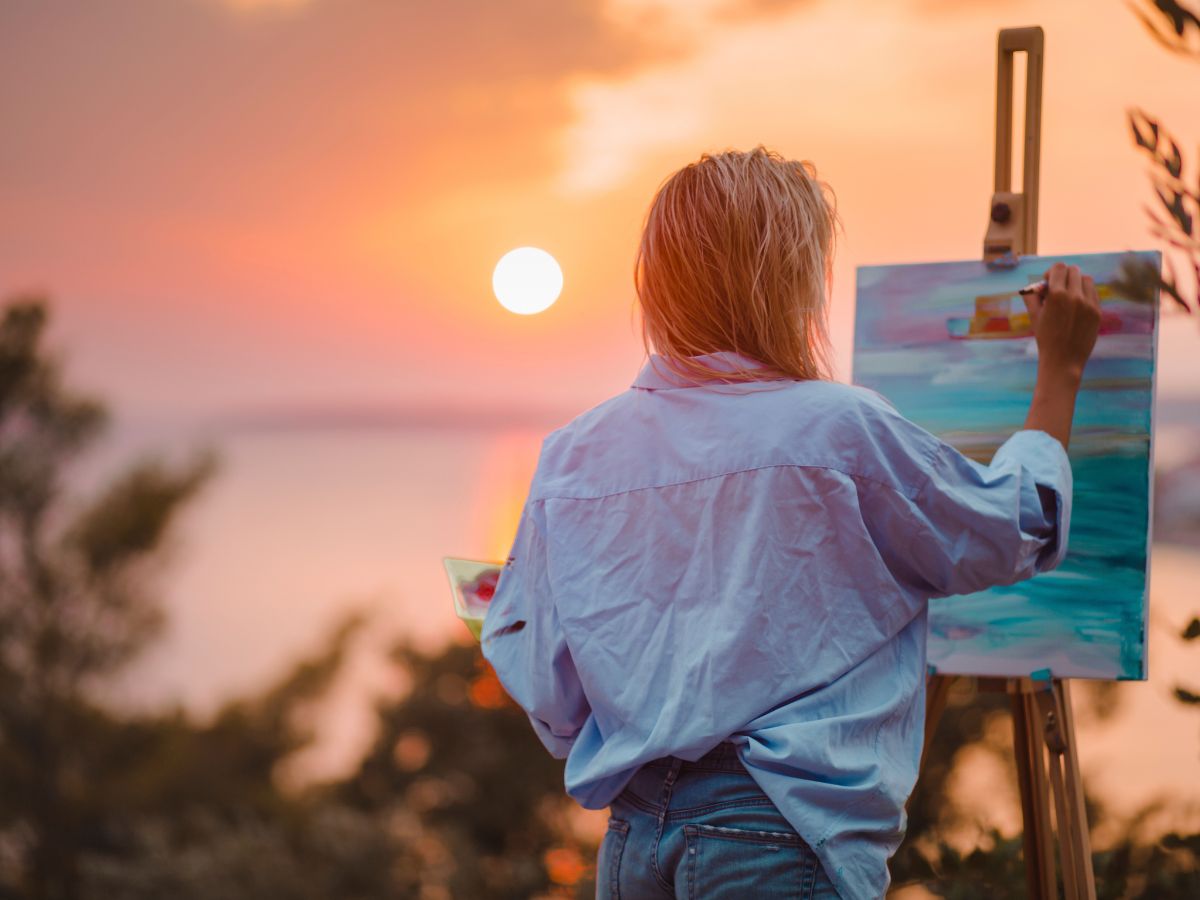
woman paints outdoors on a canvas

10 Landscape Painting Tips to Create More Depth, Light, and Impact

Landscape painting is one of the most rewarding art forms. Whether you’re standing in front of a mountain at sunrise or working from a favorite reference photo, every landscape offers a chance to tell a story through color, light, and atmosphere.

The challenge? Nature is full of detail. Knowing what to include and what to leave out is what separates a good landscape painting from a great one. Here are ten practical tips that will help you paint stronger, more engaging landscapes.

Continue reading

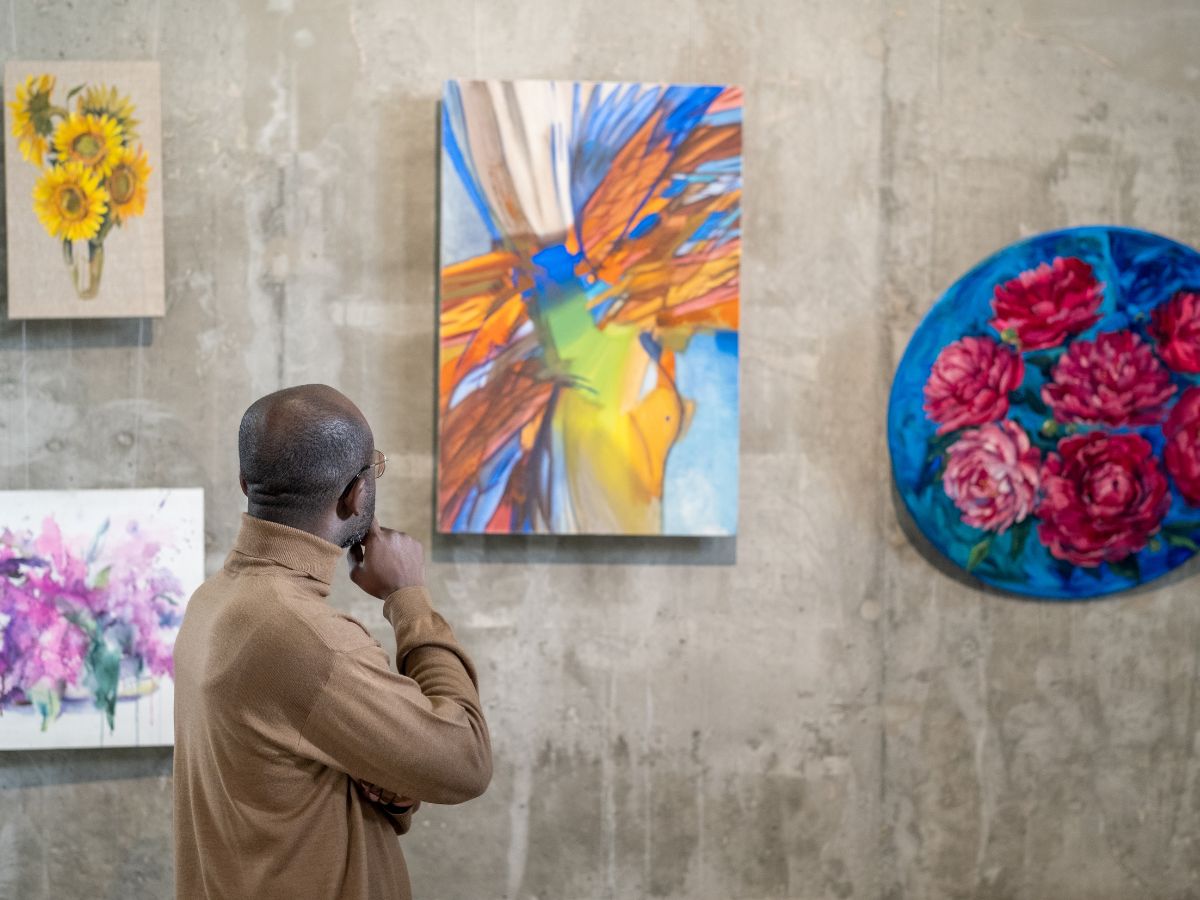
a man visiting an art gallery

Does Canvas Need to Be Framed? A Practical Guide for Painters and Art Lovers

Artists spend time choosing materials, layering paint, and refining compositions, but once it’s finished, the big question usually comes up: Do I need to frame this canvas? The honest answer is it depends. There’s no strict rule, and both framed and unframed canvases have their place. What matters most is the artwork, your intent, and how you want it to be experienced.

Continue reading

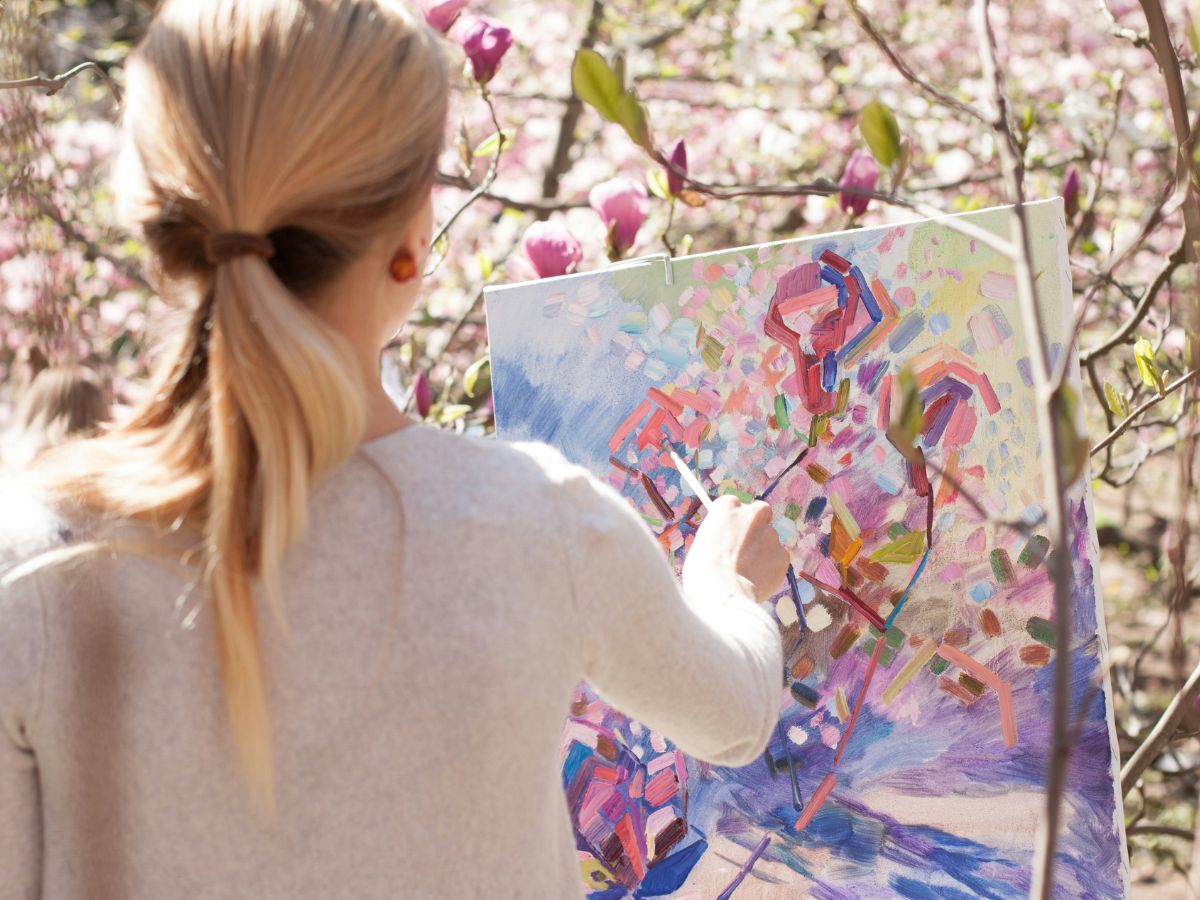
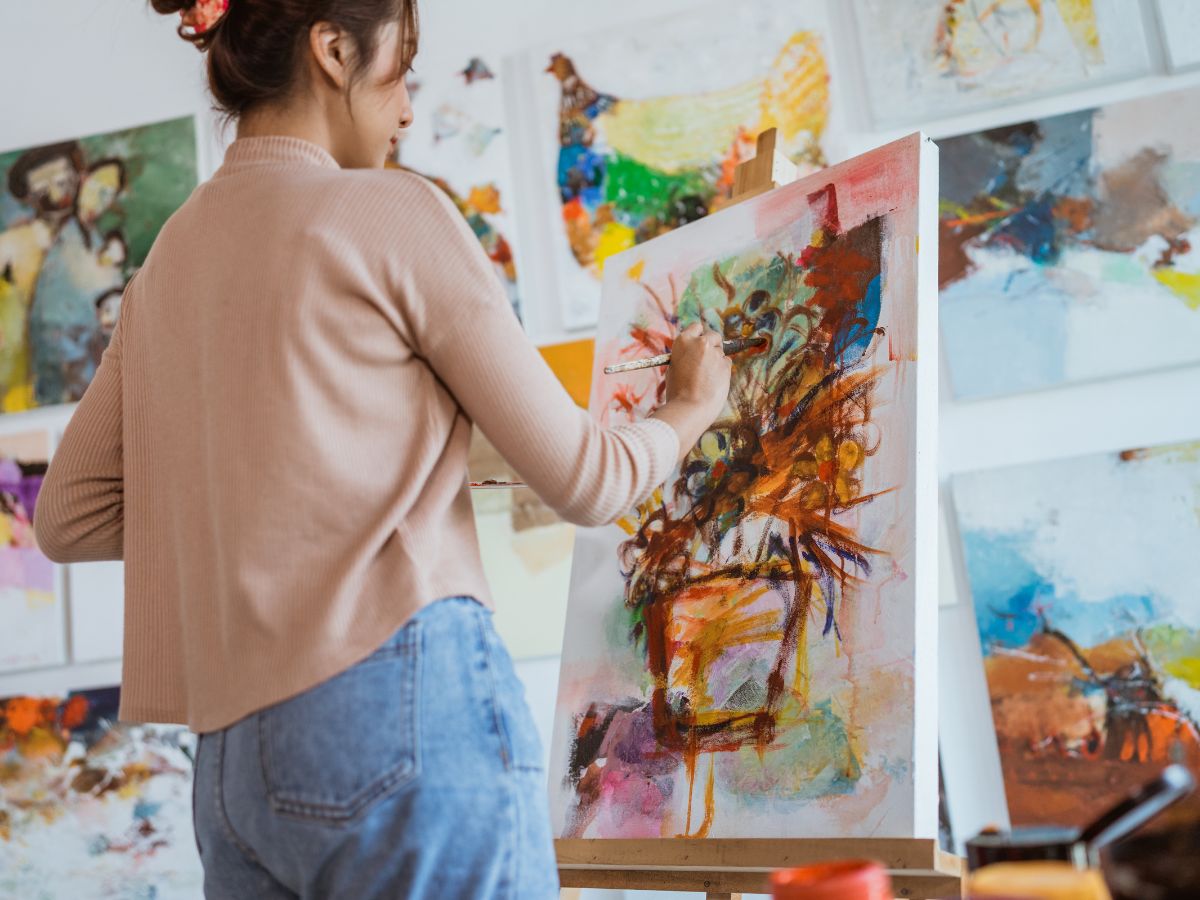
A woman painting flowers

What to Do When Art Gets Too Expensive to Create

Whether you’re a beginner experimenting with acrylics or a pro juggling gallery work, rising art supply costs can feel like a real creative barrier. Many contemporary artists have seen and felt that pinch but with a bit of planning and creativity, you can keep painting even when the budget tightens. Here’s how.

Continue reading

10 Essential Brush Techniques Every Painter Should Know

Brush techniques are the backbone of a painter’s craft, enabling artists to bring their visions to life with precision and flair. Whether you’re an aspiring artist or an experienced professional, refining your brushwork can elevate your art to new heights. From achieving smooth gradients to creating dynamic textures, mastering essential brush techniques is key to unlocking your creative potential.

Continue reading

painting on a blank canvas

7 Ways for Artists to Ignite Their Creativity

Finding inspiration as an artist doesn’t always require grand experiences; often, the most profound sources of creativity come from the everyday world around us. From observing natural landscapes to reflecting on our daily routines, inspiration can be woven into even the smallest moments.

Here are some effective ways for artists to draw creative energy from daily life.

Continue reading

woman starts painting on blank canvas

Abstract vs. Realism: Discovering Your Unique Artistic Voice

Choosing between abstract and realism styles can shape your artistic journey in profound ways. Each offers unique approaches to expression, technique, and viewer engagement. Let’s explore what these styles offer and how you might discover your unique voice within them.

Continue reading

color wheel

Elevate Your Art with Bold Color Choices

Color theory is an essential foundation for any artist, enabling a deep understanding of how colors work together to evoke emotion, convey meaning, and create a lasting impact. By mastering color theory, artists can strategically incorporate bold color choices to elevate their work and create pieces that resonate with viewers on a different level.

Continue reading

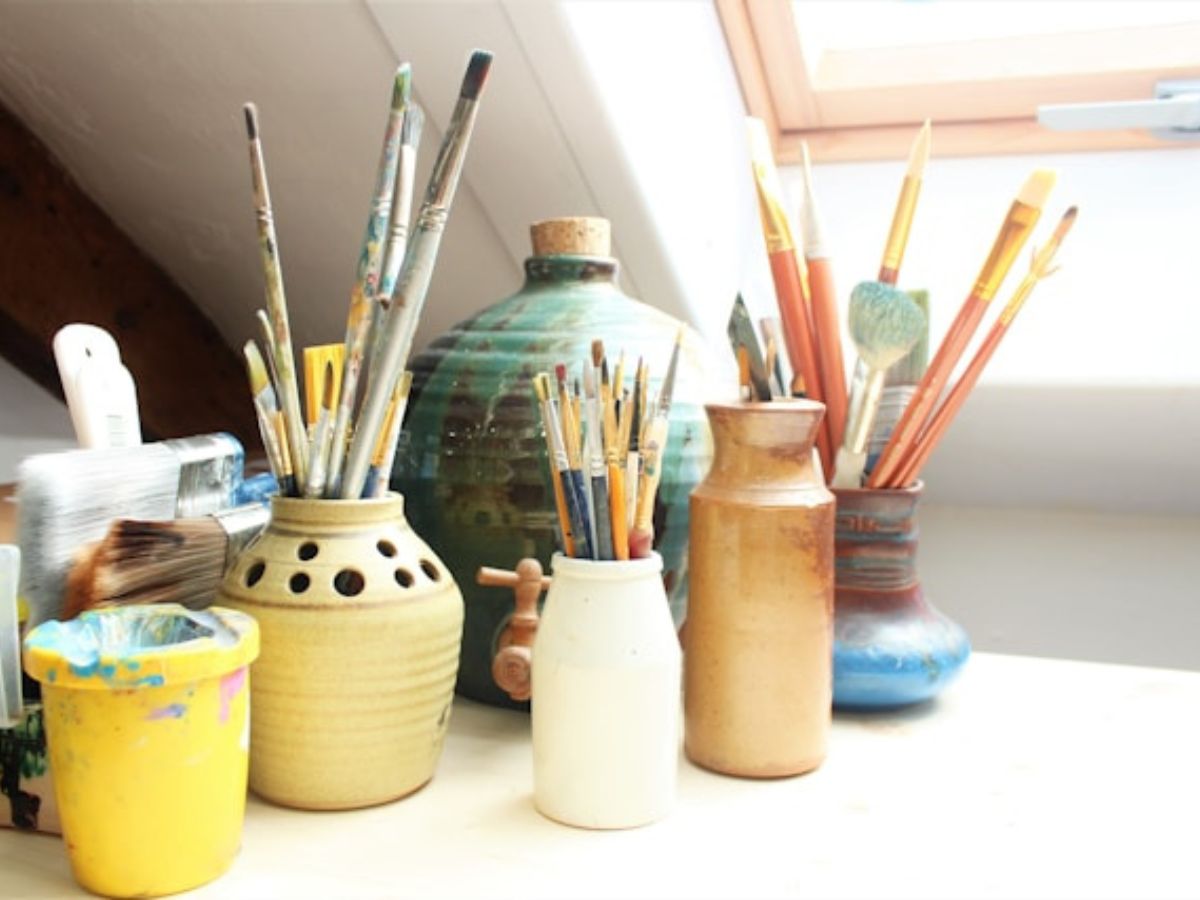
paint brushes on a jar

4 Tips for Choosing the Right Brushes for your Canvas Art

When it comes to painting on canvas, selecting the right brush can make a huge difference in how your artwork turns out. Just like the paints you use, your brushes are tools that shape the texture, details, and overall quality of your piece. Understanding the type of brushes, their shapes, and materials will empower you to make informed choices for your artwork.

Continue reading

Painter's palette

6 Tips for Overcoming Common Canvas Painting Challenges

Canvas painting offers a unique and satisfying creative outlet, but like any artistic endeavor, it comes with its own set of challenges. Whether you’re a seasoned painter or just starting, understanding common obstacles and how to tackle them is key to producing your best work. Here, we’ll explore the primary challenges artists face when working with canvas and offer practical solutions to overcome them.

Continue reading

How To Fix Damaged Watercolour Paintings

Every type of damage in a watercolor painting has different procedures in order to clean and restore them. These procedures cannot reverse color fading but it can help prevent and stop further fading. Here are some tips that you can do for each type of damage.
how-to-fix-mistakes-in-watercolor1

Water Damage
• Gently remove the painting from the frame and separate the watercolor from the glass frame immediately after it has become saturated. Mold also begins to form after saturation. Don’t leave the image in place pressed against the glass because the image will be bonded permanently to the glass.
• Lay the watercolor on a flat, dry surface. Leave the artwork untouched until completely dry. Lay the artwork on a towel, blanket or on dry grass in the yard.
• Mist the front and back of the watercolor with a light coating of spray Lysol. Do not substitute with a chemical that contains bleach. The damage incurred from the bleach is irreversible. Wait for the mold to dry out and become dormant. You will notice that the mold will become powdery.
• Brush the mold off of the watercolor lightly with a clean, dry, soft-bristled paint brush.
• Put the painting back into the frame.

Dirt and Debris
• Break a loaf of bread in half. Grab a handful of the white inner portion of the bread. Roll the dough into a ball.
• Scrub the dough gently against the watercolor painting.
• Replace the dough as the piece you are working with gets dirty.
• Brush the bread crumbs off of the watercolor using a clean, dry, soft-bristled paint brush. Make sure that all bread crumbs have been removed from the painting.

Fade Prevention
• Instead of using an ordinary glass, use a UV3 coated Plexiglas. This will reflect the UV rays that cause the color to fade.
• Move any watercolor artworks away from direct sunlight. Artwork with the UV3 Plexiglas will not prevent all UV rays from damaging the color in the painting. Direct sunlight can harm the color and raise the temperature surrounding the painting that can fade the colors.
• Avoid hanging watercolor paintings where the temperature of the artwork would rise above 70 degrees Fahrenheit. Avoid hanging on outside walls that are not properly insulated, over fireplaces or near furnace grates and windows with direct sunlight.
• Replace all florescent lighting with incandescent light bulbs. Do not use direct lighting of any type on a watercolor.

Image source: www.paintingdemos.com