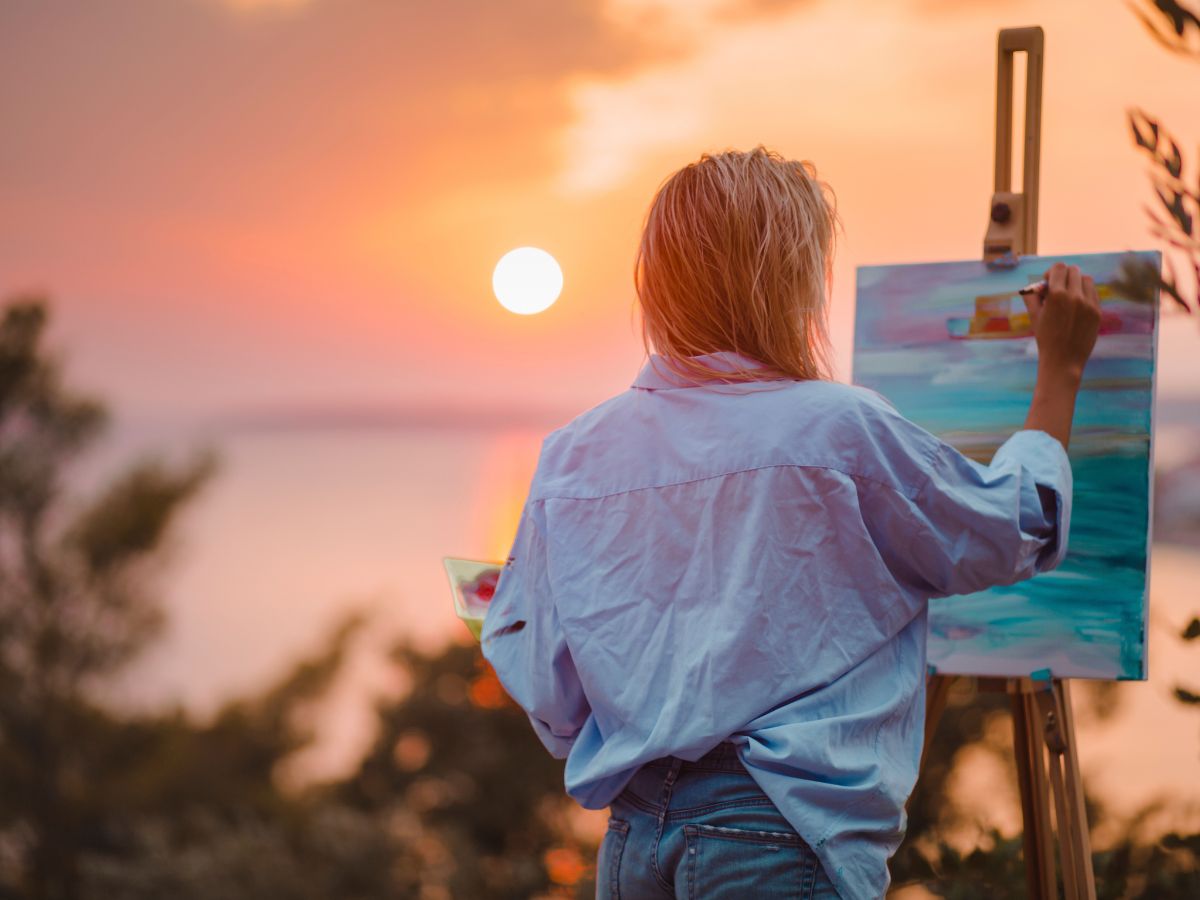
10 Landscape Painting Tips to Create More Depth, Light, and Impact
Landscape painting is one of the most rewarding art forms. Whether you’re standing in front of a mountain at sunrise or working from a favorite reference photo, every landscape offers a chance to tell a story through color, light, and atmosphere.
The challenge? Nature is full of detail. Knowing what to include and what to leave out is what separates a good landscape painting from a great one. Here are ten practical tips that will help you paint stronger, more engaging landscapes.
1. Start with a Strong Composition
Before picking up a brush, spend a few minutes planning your composition. Use quick thumbnail sketches to explore different arrangements and decide where you want the viewer’s eye to go. Simple planning often leads to a much stronger finished painting. Many professional landscape artists consider composition the foundation of every successful piece.
2. Simplify What You See
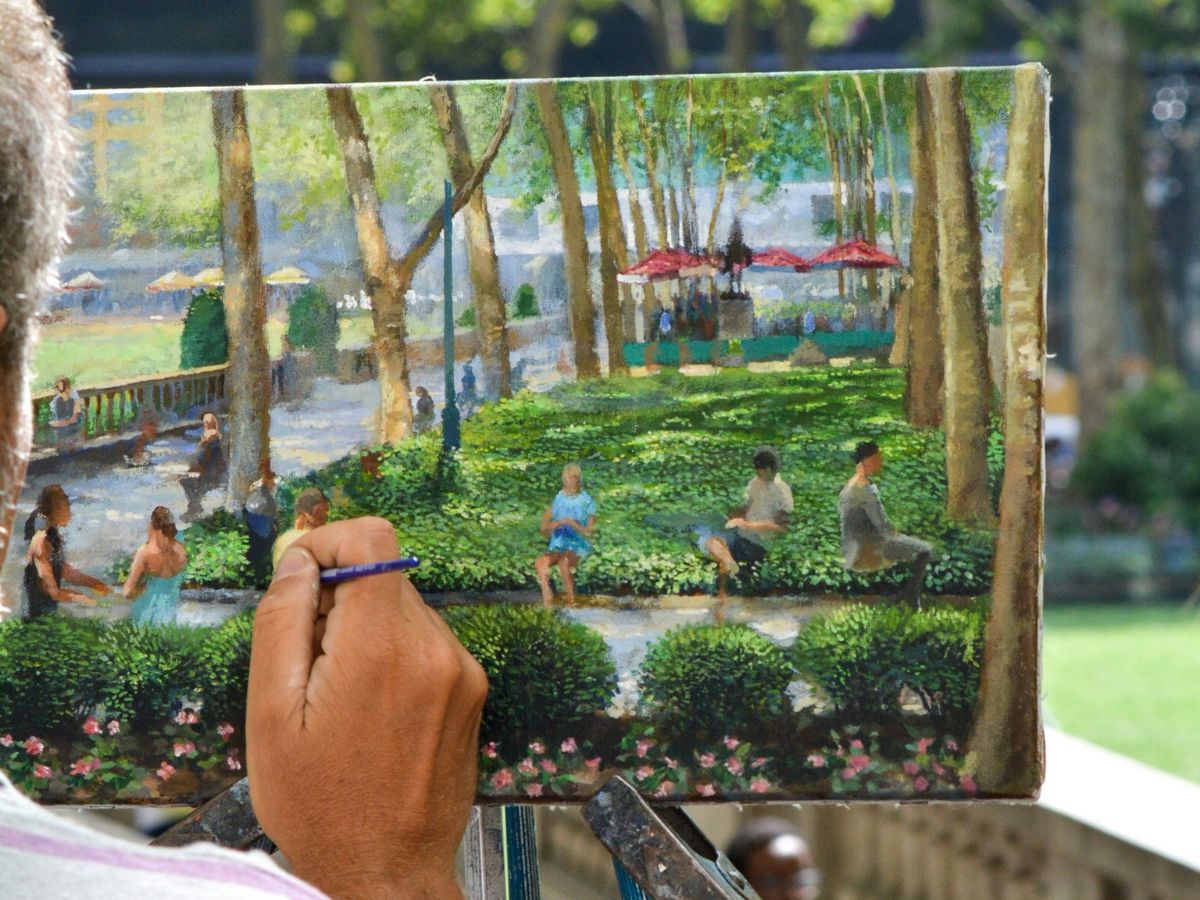
Nature can feel overwhelming because there is so much happening at once. Instead of painting every leaf and blade of grass, group similar shapes and values together. Simplification creates a cleaner, more readable painting while allowing your focal point to stand out.
3. Focus on Values Before Color
Strong values matter more than perfect color. Squint at your subject to identify the lightest lights, darkest darks, and major shadow shapes. A painting with solid value relationships will often look convincing even if the colors aren’t exact.
4. Use Atmospheric Perspective
One of the easiest ways to create depth is by applying atmospheric perspective. Objects in the distance generally appear lighter, cooler, softer, and less detailed than those in the foreground. Reduce contrast as elements recede to make your landscapes feel more spacious and believable.
5. Think Big Before Small
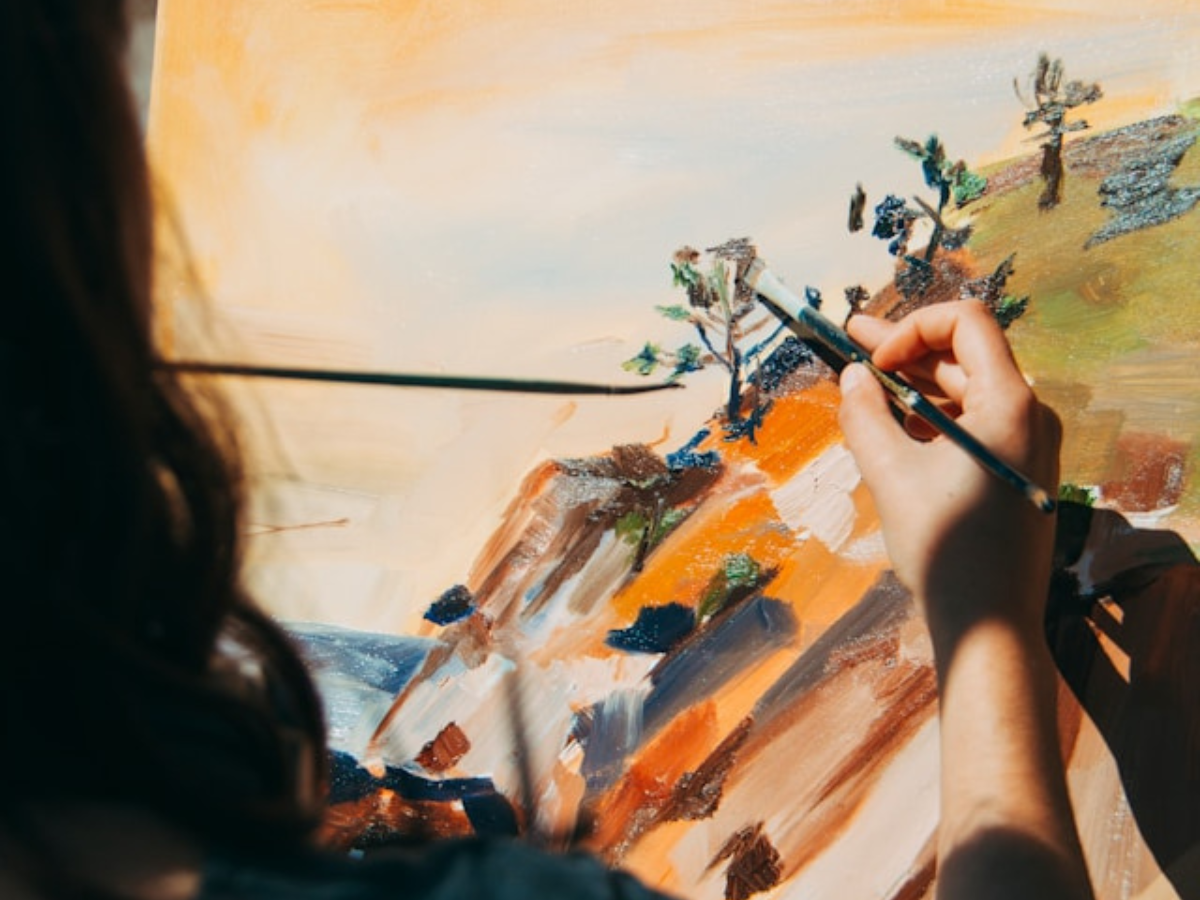
Resist the urge to paint details immediately. Block in the largest shapes first using a larger brush. Once the overall structure is working, gradually add medium and small details. This approach helps maintain unity throughout the painting.
6. Pay Attention to Light
Light changes everything. Observe where it comes from and how it affects shadows, colors, and edges. If you’re painting outdoors, work efficiently because sunlight shifts quickly. Many experienced plein air painters complete value studies early before the light changes dramatically.
7. Limit Your Color Palette
Using fewer colors can actually improve color harmony. A limited palette encourages better color mixing and prevents paintings from becoming overly busy. Many accomplished landscape painters rely on a small set of versatile pigments rather than dozens of paint tubes.
8. Create Clear Focal Points
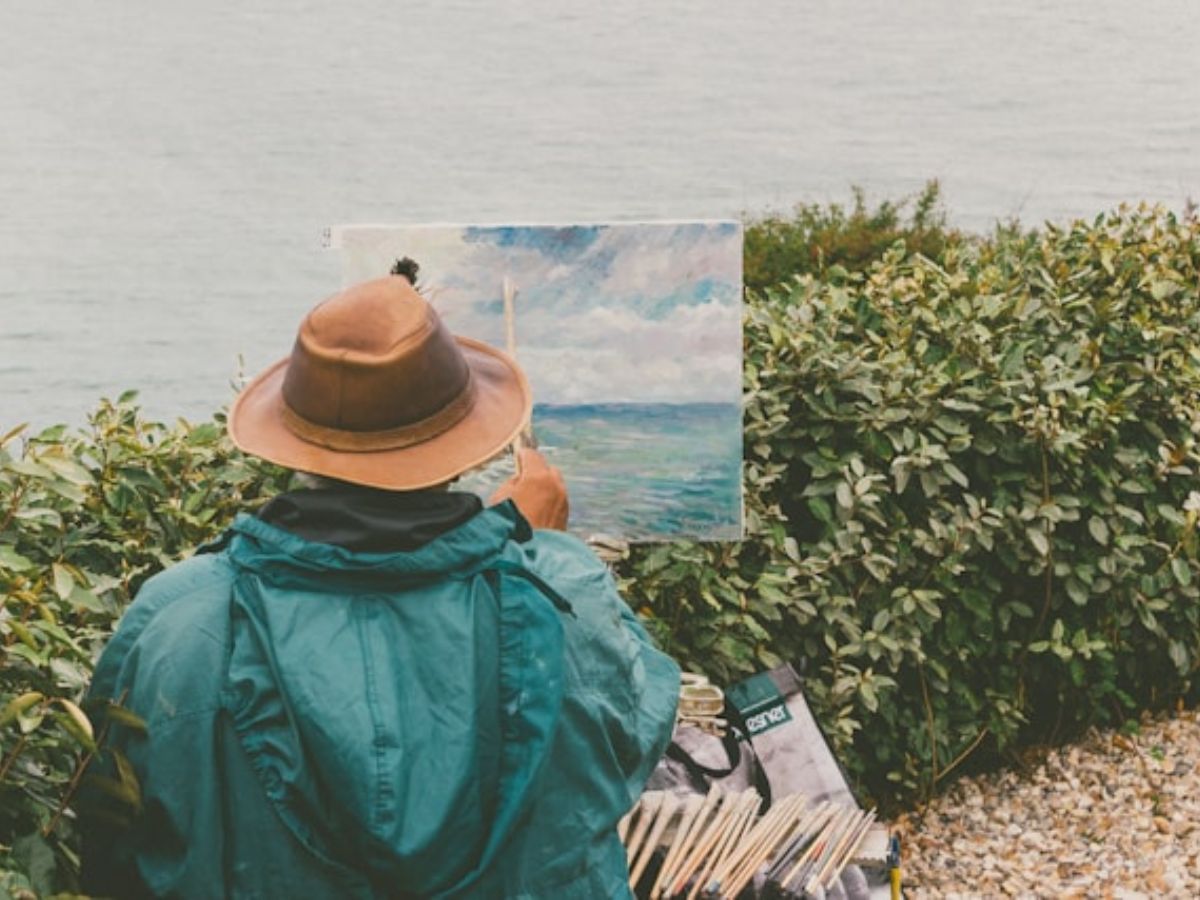
Every landscape needs somewhere for the viewer to look first. Increase contrast, sharpen edges, or add richer color around your focal area. Then soften less important sections so they support rather than compete with the main subject.
9. Paint Outdoors Whenever Possible
Even if you usually work in the studio, try painting outdoors occasionally. Plein air painting sharpens observation skills and teaches you to capture changing light, atmosphere, and color more naturally. Many artists find that these outdoor studies improve their studio work as well.
10. Practice Small Studies Often
Instead of waiting to create a large masterpiece, paint small studies regularly. A series of 20-minute sketches helps you experiment with composition, color, and lighting without the pressure of producing a finished work. These quick exercises often lead to noticeable improvement over time.