Tagged: oil painting

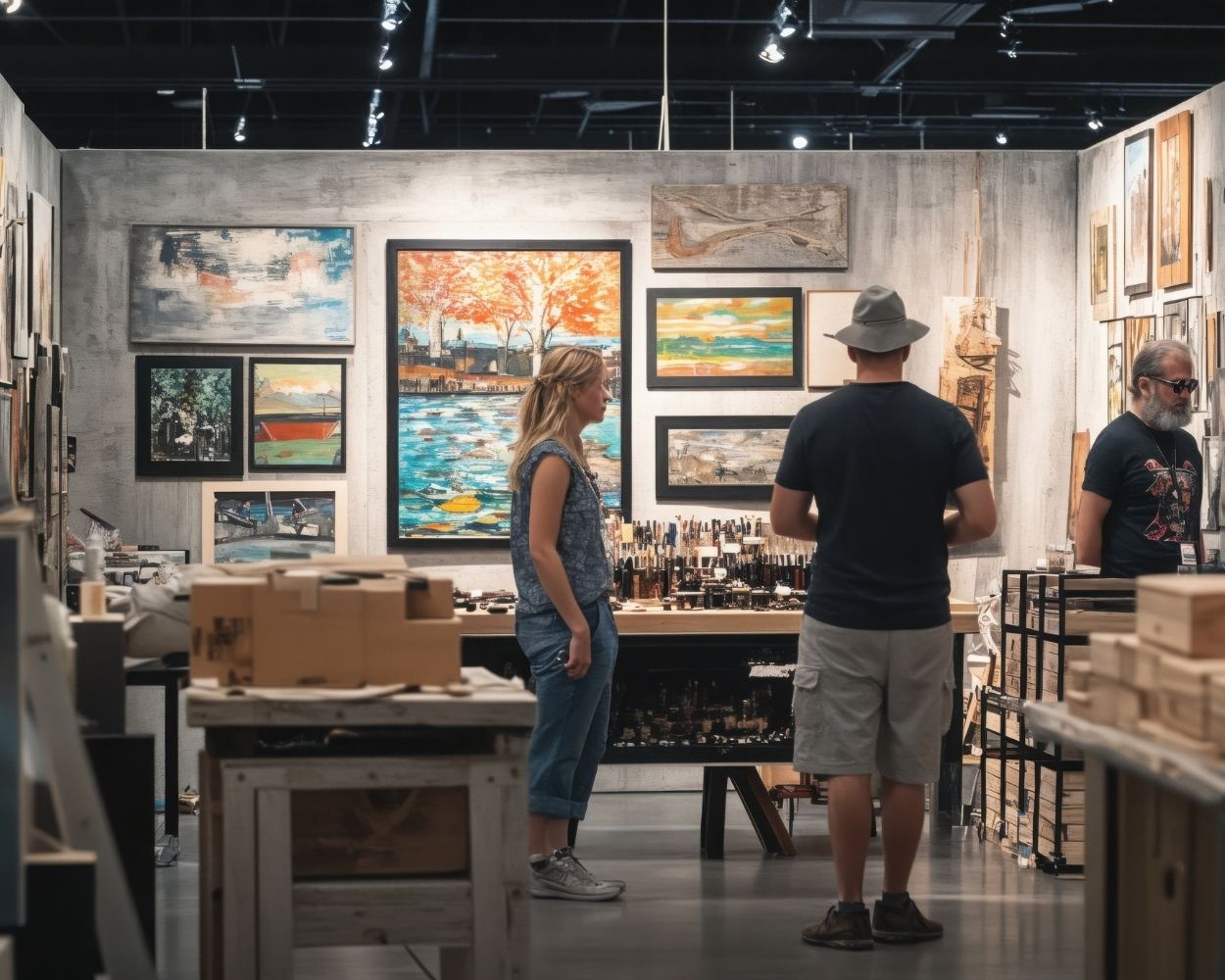
artist with boat painting on canvas

How Artists Can Build Confidence

If you’ve ever shown your work and wondered, “Do I really belong here?”, you’re in good company. Most artists, from beginners to established professionals, wrestle with the fear that their work won’t be taken seriously. That fear doesn’t mean you’re failing. It means you care. The real challenge is learning to create anyway.

Here’s how to build genuine confidence and move past the worry that your art isn’t “legitimate.”

Continue reading

three abstract canvas paintings hanging on a wall in a living room

How to Choose the Right Frame for Your Canvas Artwork

When you’ve just completed a canvas painting, the frame you pick matters more than you might expect. It’s not just a finishing touch, it can really influence how your work is seen and valued. You can see framing as part of the creative process, and not just an afterthought. Here’s a guide to help you choose wisely.

Continue reading

5 Strategies to Earn Press Coverage and Recognition for Your Art

When you’ve spent hours in the studio, finishing that new piece you’re proud of, the next question often becomes: How do I get people and perhaps the press to notice it? As other artists will tell you, gaining media coverage or accolades doesn’t happen by accident. It happens with strategy, consistency and smart presentation.

Continue reading

abstract painter working at home

Layering Like a Pro: Techniques for Creating Captivating Artwork

When you’re sitting with a fresh canvas (or panel) and an idea starting to form, one of the biggest opportunities and one of the most under-used is layering. Many beginners try to do everything in one go. But taking your time, building your piece in layers, can improve your work in ways that feel effortless once you get the hang of it.

Continue reading

custom wood panel for mixed media art

How to Combine Mixed Media with Wood Panels

If you’re a painter whether beginner, hobbyist, lecturer or pro, and you’ve mostly worked on canvas, considering a structured support like a wood panel for mixed media might open up fresh possibilities. Here’s a guide on combining mixed media with wood panels.

Continue reading

art gallery visitors

Keeping Your Key Artists: How Galleries Prevent Talent Loss

In the art-world dance between galleries and artists, a key challenge for gallery managers is preventing the loss of star-creators to competitors. Whether you’re running a small independent space or part of a larger gallery, keeping good artists means more than contracts: it’s about relationship, support, and clear value.

Continue reading

a man visiting an art gallery

What Are the 4 Main Art Styles? A Guide for Artists and Hobbyists

When people talk about “art styles,” sometimes it feels like they’re speaking another language. In practice, though, many works fall broadly into a few main categories or styles that help us see how artists think, not just what they paint. Here are four major art styles and how they show up in your work or studies.

Continue reading

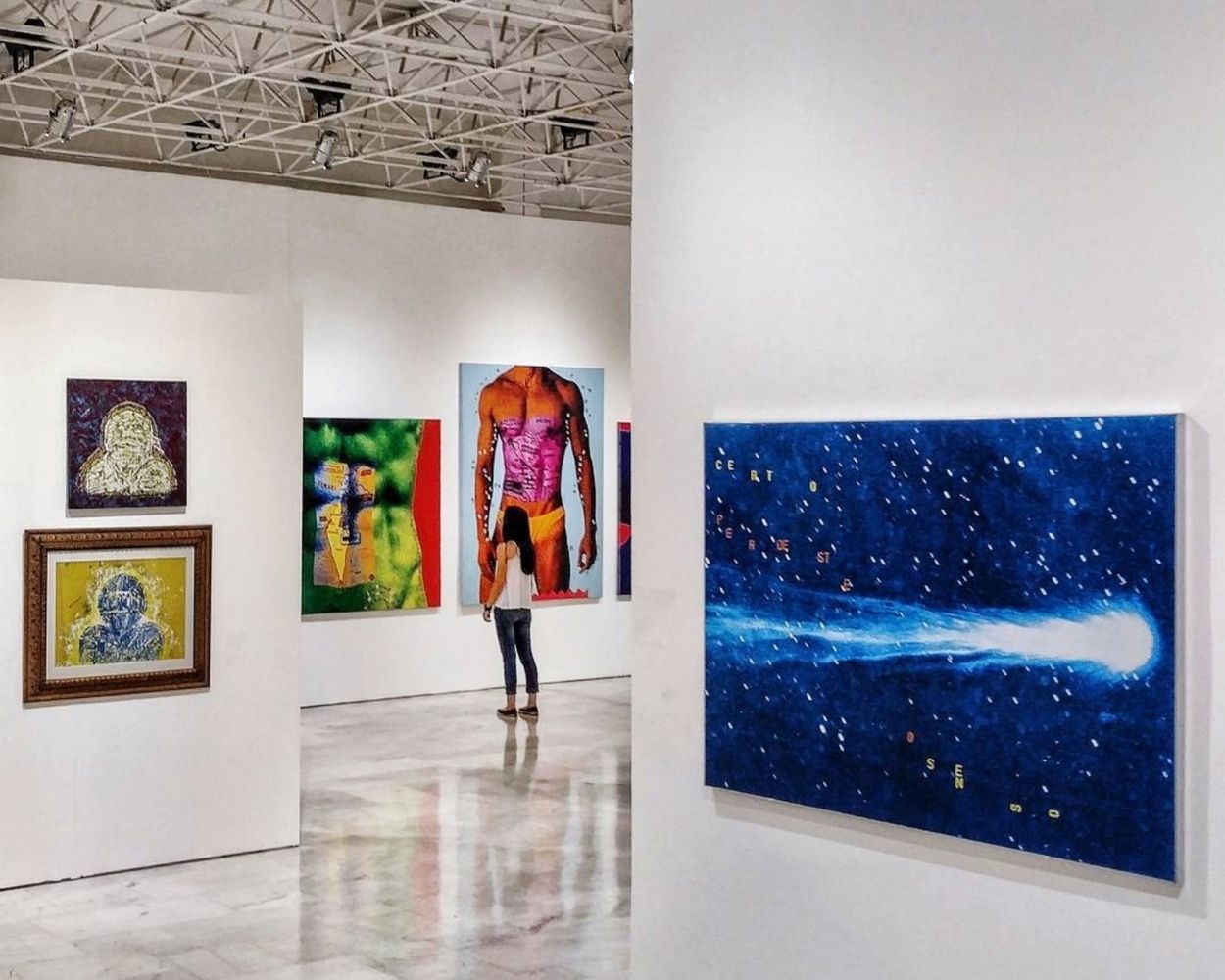
Man and woman sitting in front of two paintings in a gallery

How Art Galleries Can Thrive Amid Changing Art Tastes

Running an art gallery is more than picking pretty paintings. At its heart, a gallery is a mediator between artists, collectors, and culture. And that terrain moves fast. Taste changes, attention shifts, new voices emerge. If you’re a gallery owner, navigating this flux is part of the job. Here’s how you can stay relevant, resilient, and in dialogue with changing tastes.

Continue reading

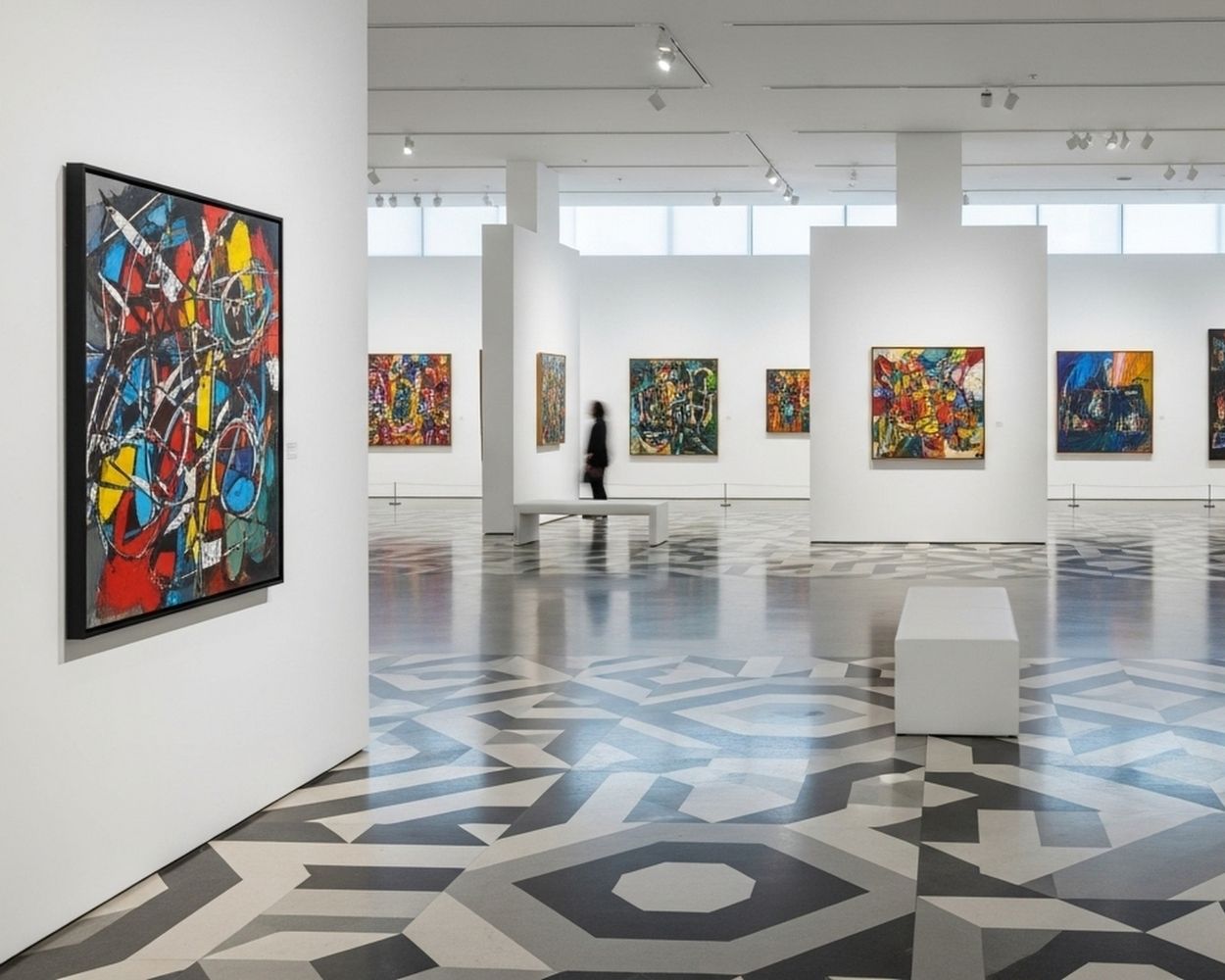
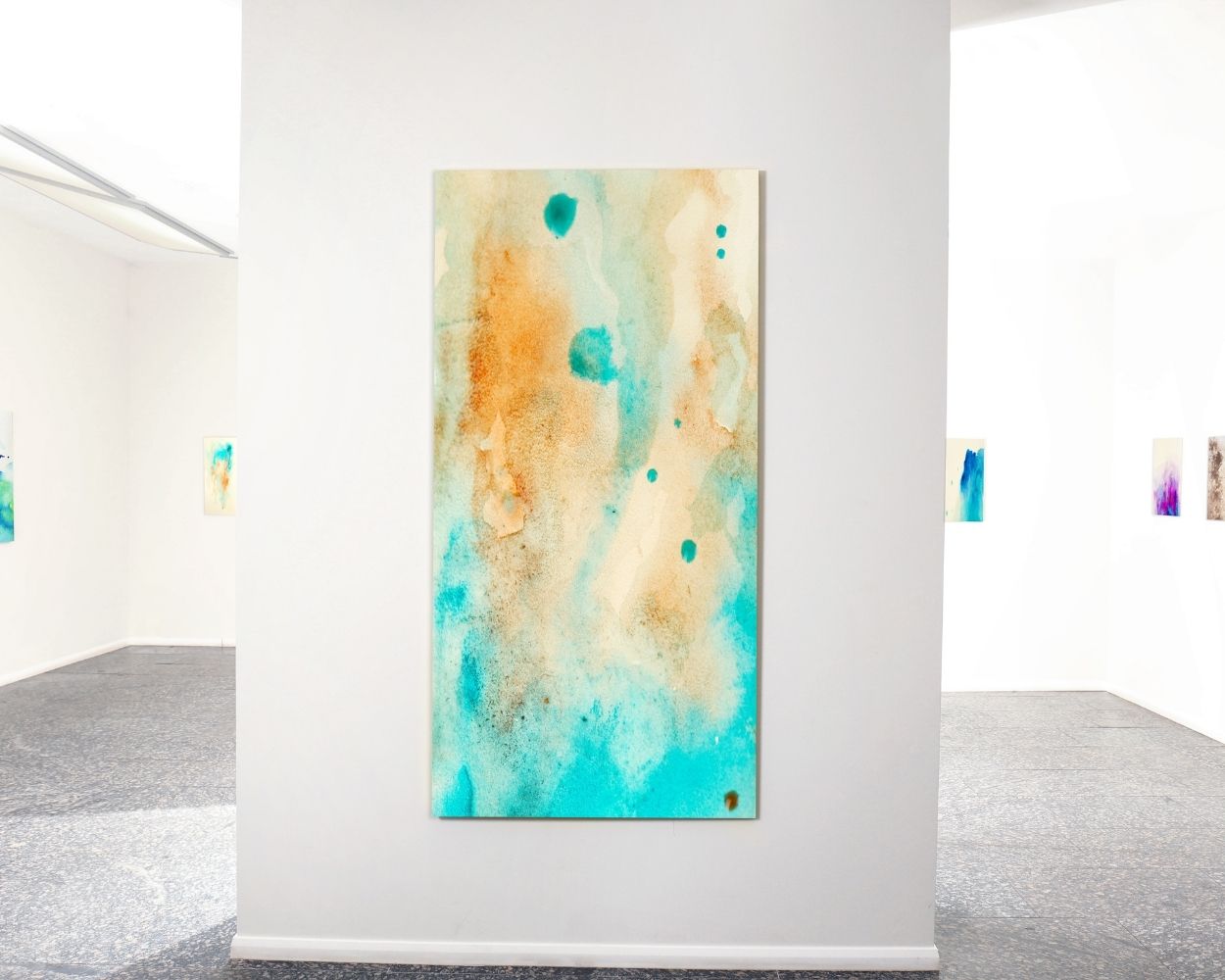
large canvas art in green, yellow, brown

How to Seal a Painted Canvas: Varnishing & Protective Coats

Whether you’re an amateur painter or seasoned pro, sealing your painted canvas is a meaningful last step. It protects your work from dust, UV damage, and abrasion and gives it a finished look. But sealing is an art in itself, and doing it poorly can ruin a piece.

Continue reading

The 4 Stages of Painting: Step-by-Step for Artists

Every painting whether a quick sketch or a large, refined work, typically moves through stages. Knowing these stages helps you work more deliberately, spot what phase you’re in, and avoid getting stuck. Here’s a breakdown of four common stages of painting.

1. Planning & Design (or “Pre-stage”)

Before a brush ever touches the canvas, you’re already painting in your head. This stage includes:

  • Sketching thumbnails or rough compositions
  • Deciding the format, aspect ratio, cropping
  • Choosing a ground (tone) or underpainting color
  • Working out value structure, major shapes, and color mood

Paintings with strong outcomes often start with a solid design: layout, balance, focal points. Some artists do several small studies here before committing to the final canvas.

Continue reading