Canvas Toning Made Simple
If you’ve ever stared at a blank canvas and felt a pang of hesitation or found your colors lacking pop, toning your canvas could be the secret to unlocking more expressive, confident painting.
For mural artists, the thrill of painting a public canvas can come with heartbreak: vandalism, taggers, or weather damage can strike any day. Here are creative ways to reduce damage on murals and bring them back even stronger when it happens.
Ever get stuck staring at a blank page or canvas, unsure of where to start? Frottage might just be the spark you need. Many artists love this technique for its spontaneity, subtle surprises, and hands-on simplicity. Let’s explore what frottage is, where it comes from, and how it can light up your creative process.
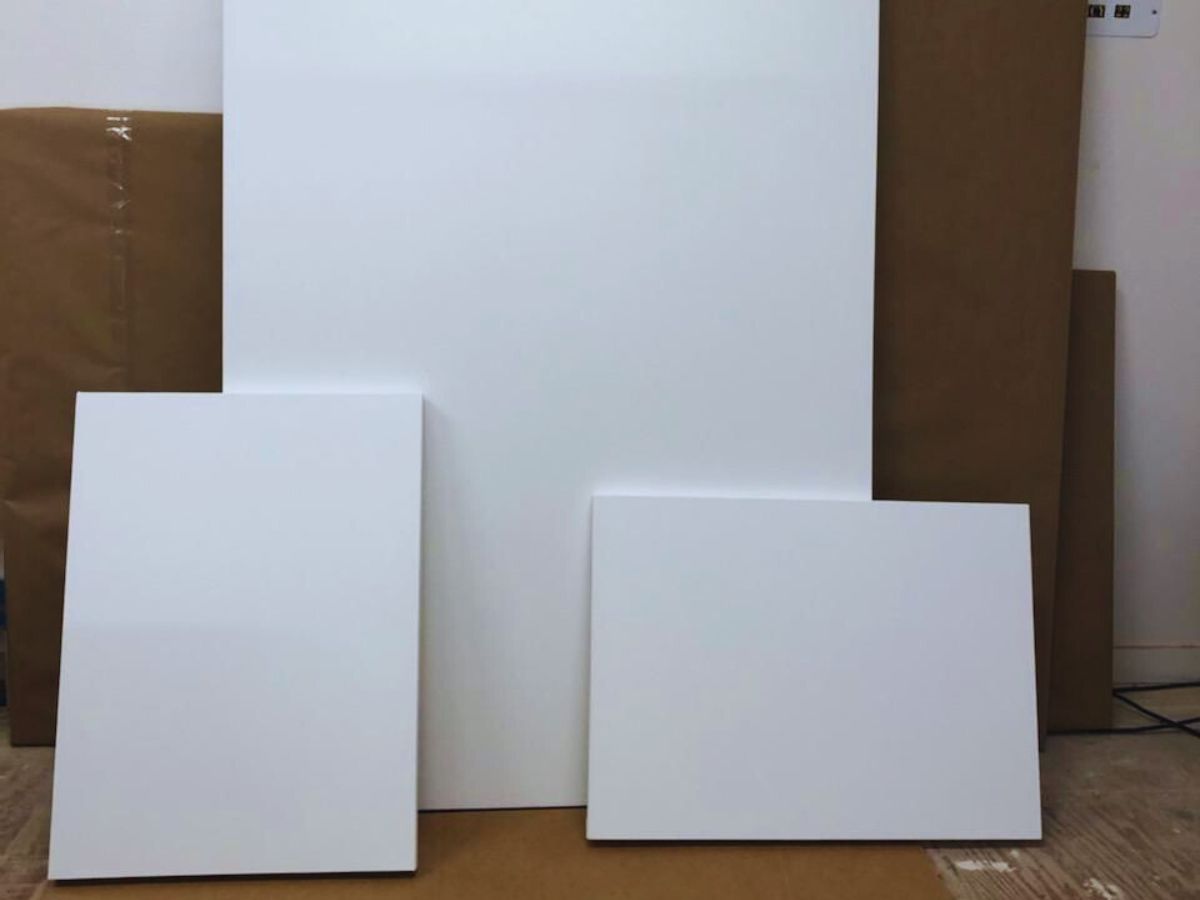
When your brushes are loaded and your vision is flowing, you’d rather paint than build. But is buying canvases or making your own more cost-effective? The answer depends on your goals and teaming up with pros like CanvasLot often comes out ahead in both value and quality.
Making your own canvases–be it stretching your own fabric or securing DIY panels–can cut material costs by up to 50 percent, especially if you’re making multiple or unusual sizes. You get total control over fabric choice and priming which can be tempting if you’re budget-conscious. But, that time isn’t free. Building, sizing, gessoing, these steps slow you down. Not to mention, if you’re not yet practiced, small mistakes can creep into corners and tension.
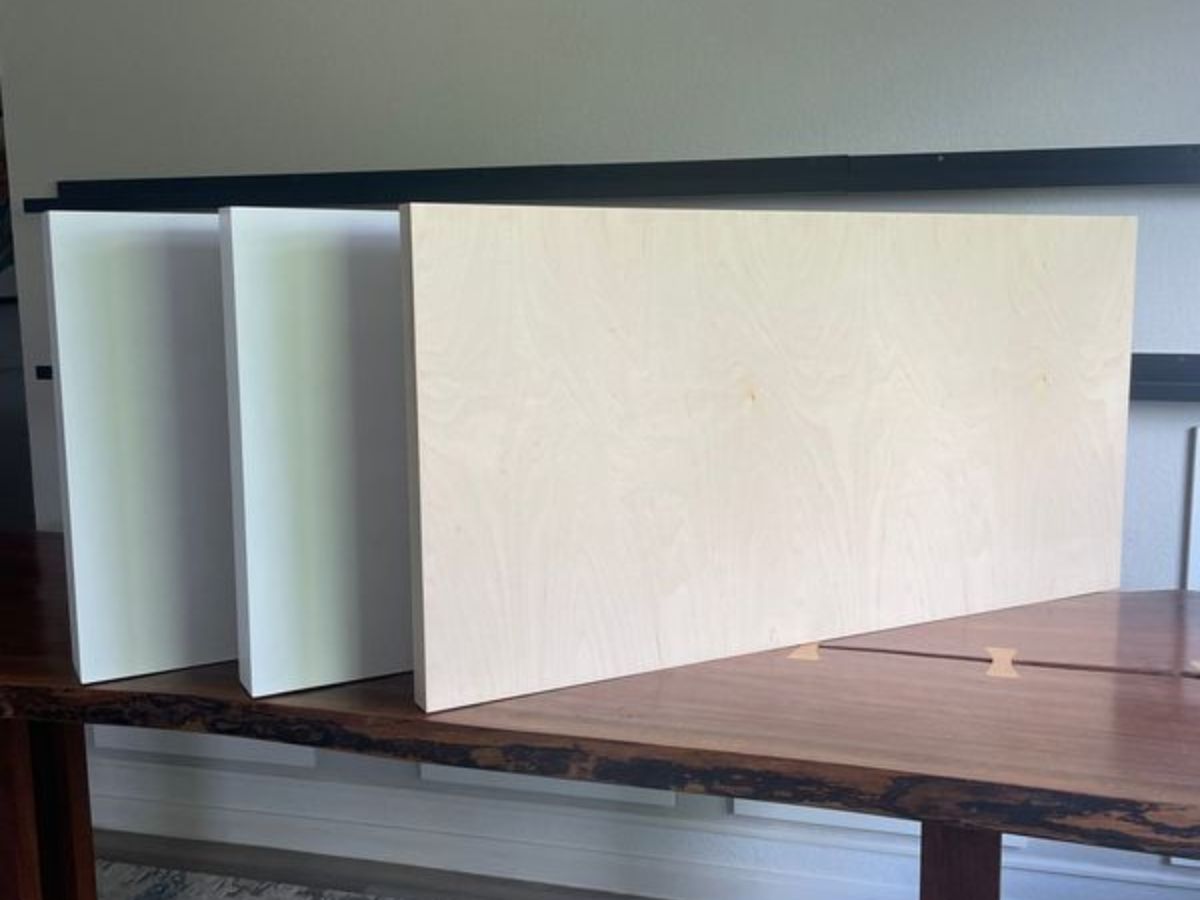
Finished custom wood panel paintings bring touchable texture and archival strength but they demand thoughtful care. Here’s a practical guide to help amateur and professional visual artists make their work last.
Choosing the right canvas size isn’t just guesswork, it’s a balance of composition, subject, display space, and presentation. While there’s no single “golden size,” artists often rely on easy rules of thumb to find the right fit. Here’s a guide that you can use.
Pricing art is tricky and can feel impossible to do. Whether you’re an emerging painter or a seasoned mixed-media artist, assigning value to your work raises emotional and practical challenges. Let’s break down why pricing is so hard, and what you can do about it.
Reusing a canvas can feel tempting. Why waste materials, especially if the old work isn’t going anywhere? The short answer: yes, you can paint over a canvas. But there are important factors to consider to avoid problems down the line.
For centuries, artist wood panels were the norm. Before canvas became widespread in the 16th century, artists built entire careers on wood supports. Let’s explore the history and why panels remain relevant today.
Choosing a canvas isn’t just about grabbing the cheapest one, it’s about matching the canvas to your style, medium, and budget. Here’s a guide to help both hobbyists and pros pick wisely.