What Exactly Is Canvas?

And here we go! This is the official blog of CanvasLot.com, and we’re setting out to become your place for everything canvas. From the rich history of canvas use throughout the world to the itty-bitty details that go into making the best canvases around, this blog will show you everything you ever wanted to know about canvas, and maybe a little more. Like the magnificent products we lovingly craft and bring to you, this blog is blank, primed and ready to be covered in exciting and interesting details, so let’s get started!

We thought about the best jumping off point for our brand new blog, and we decided there’s no better place to start than the basics. So, today we’re going to answer a question you may not know you even had: what exactly is canvas? Like most people, you probably have an image of a canvas that immediately pops to mind- maybe a painted canvas, maybe a freshly packaged one, maybe a French guy with an easel and a beret – but do you actually know what canvas itself is made from? What about the difference between canvas and other fabrics? Let’s take a look!

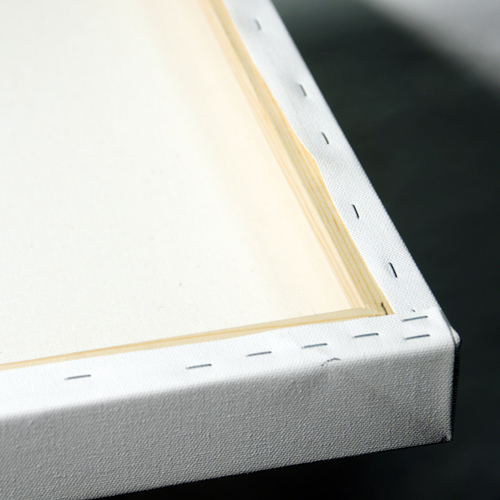
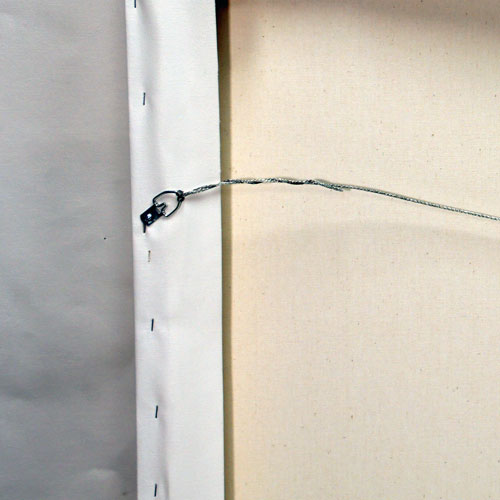
What exactly are these wonderful items made up of?

Material-wise, canvas is actually more complicated than many people realize. Most everyone can call to mind what canvas looks and feels like, but not everyone knows that there are actually many kinds of canvas. Most canvas these days is made of one of two materials, those being the ubiquitous cotton and linen. This, however, was not always the case. For many, many centuries, canvas was more often than not made of hemp. In fact, the name “canvas” comes from the Latin word cannapaceus, which literally means “made of hemp.” Eventually, linen was found to be a better fabric for canvas making, and cotton, in turn, later became the dominant material. These fabrics aren’t the only ones used for canvas, however. Materials of all sorts are used to create canvas, including jute and, in recent years, polyester.

Obviously not all objects made of cotton, linen or hemp can be called canvas, but what is it that makes the difference? The answer is actually rather simple- it’s the weave! There are essentially three basic ways that most fabrics are woven together: plain, satin and twill weave. Canvas uses the simplest of these, the plain weave, which simply means that the threads used to make canvas are woven together in a criss-cross pattern. Plain weave makes canvas easy to make, tough and more rigid, as opposed to soft and flexible. Satin and twill weave, on the other hand, use more complicated weaving techniques to create different, softer textures that are used for decorative or clothing items.

This is an example of "plain" weave.

Past the material and the weave, canvas comes in two styles- “plain” and “duck.” These terms refer again to the weave, but unlike the previous three, plain and duck refer to the tightness of the weave rather than the style. The difference between the two is that plain is more loosely woven, while duck canvas is tighter. Appropriately, the word “duck” comes from the Dutch word for cloth, doek.

The last major feature used to designate a material as canvas is its classification, a detail determined in two ways, both of which deal with weight. The first is the canvas’ actual weight in ounces per square yard, which is fairly straightforward and easy to determine. The second is a bit more complex, weighing a piece of duck canvas 36 by 22 inches and classifying it according to two grading systems. The two grading systems feature one for canvas that weighs less than 19 ounces per square yard and another for those 19 ounces or more. The first system grades are 1, 2, 3, 4, 5, 6, 8, 10 and 12, with 12 being the lightest, and the second system goes from 1/0 to 6/0.

While there are many variations on canvas and many other features canvases can have (such as priming, stretching vs. canvas boards, etc.), this simple guide gives a good, basic idea of what exactly canvas material is. If any of the particulars pique your interest, and you want more details, fear not! Over the next few weeks, we’re going to dig deep into every corner of the wide world of canvases, and we’ll be bringing you every nugget of info you’ve ever wanted to know. So stick with us, stay tuned to this spot, and in the meantime, get to your canvases and

The Blank Canvas: Little Known Facts About A Popular Medium

A horizontal line on blank canvas can send the artistic mind on an epic journey of creation.  The blank canvas can be the painter’s best friend or worst enemy.  In some cases, the blank canvas can simultaneously encourage and antagonize the artist that seeks to alter its surface.  How the canvas is used to tell a story is up to the willing mind and creative spirit, unafraid to let their ideas metamorphose and project themselves with urgent force.

The painter’s canvas can be made from varying types of fibers that act as the perfect surface for oil and acrylic paints.  The most common types of blank canvas for painting are cotton and linen.  There are important differences between the two materials that may affect the end result of an artist’s vision, although both are wildly popular.

In this article, you will learn about the cotton canvas.

Here are a few key facts about blank canvas for the curious artist!

The Cotton Plant

DID YOU KNOW?

  • According to eHow Contributor Carlos Mano, “The word ‘canvas’ has come to mean any durable, simply woven fabric made of natural fibers.”
  • Cotton canvas was commonly called “cotton duck” in from 1900 to 1940.  Although the tightly woven cotton duck was not made of actual duck feathers but of long durable linen cloth, it was as light as one and offered a sturdy and affordable alternative to the traditional hemp based canvases that were popular at the time.
  • In the early development of canvas for paintings, it was discovered that oil paints could actually rot canvas fibers!  To prevent the deterioration of artwork, a coat of gesso became the best applicable technique for all canvas.  The substance prevents the oil paints from destroying the canvas fibers.  An acrylic version of gesso is available for the organic artist.
  • Cotton comes from the cotton plant!
Cotton Canvas | An Artist’s Friend or Foe?
Who would have thought that the blank canvas packed such a historical punch?


THE BLANK CANVAS IS AVAILABLE FOR YOUR CREATIVE SPIRIT
Both cotton and linen canvases are available at art supply stores and wholesalers, and general craft and hobby stores. For the best value, try an online art supplier that will offer you hand-stretched and customized canvas options. There’s no better feeling than that of having a custom blank canvas, big enough for the grand scheme of your creative idea with a small price that fits your budget.

Written by Comments Off on The Blank Canvas: Little Known Facts About A Popular Medium Posted in Uncategorized

Hand-Stretched Canvas For Artists Of All Levels

Although it is a highly sought after material, custom and hand-stretched canvas can be costly for amateur and professional artists.  With endless surface options for artists, canvas is by and large the most popular surface to paint on.  The coarse raised texture lends character and dimension to any piece of artwork.  Somehow, the marriage of a paintbrush covered in a thick layer of pigmented oils and a blank canvas delivers some of the most striking, thought-provoking artwork.  It is no wonder that artists prefer canvas as a surface material over all others.

Oftentimes, professional artists and art students create their masterpieces with makeshift tools and art supplies.  These tools quickly become staples of the artist’s toolbox.  This do-it-yourself technique often blends into the creation of hand-stretched canvas.  Although cost effective for some, the process of stretching canvas can be time consuming.

To Make Hand-Stretch Canvas, you will need the following materials:

  • Sheets of Canvas
  • Stretcher Bars (4)
  • Staple Gun & a box of staples
  • Canvas Pliers
  • A little know-how and determination!

Even with the character building strength of the canvas, what is an amateur artist to do without the knowledge of how to make their own hand-stretched canvas?  What if there is very little time between learning how to stretch canvas and the birth of an idea that must be painted urgently?  Where can the humble artist purchase high-quality hand-stretched canvas for an affordable price?  This is a common concern for members of the Arts community.

It is important to find and develop a beneficial relationship with an art supply company that understands this complex need for quality, customization, and economic efficiency.  With many high dollar options available at the traditional art supply store, it’s about time a reasonable online option should come along.  With the ease of ordering online and the ability to make specific dimension requests, getting the canvas required to make the perfect art piece should be effortless!

An online store that is growing in popularity for its attention to detail and affordability is CanvasLot.com.  Based in Austin, Texas, CanvasLot.com is an online art supply company that specializes in custom-made hand-stretched canvas.  Aiding all levels of professional artists, CanvasLot.com delivers wholesale.  From amateurs to professional fine artists, novice art students to seasoned professors, and the occasional dabbler to the well-versed enthusiast CanvasLot.com has a canvas for every taste and skill level.

Learn more about hand-stretched canvas and online art supply company CanvasLot by visiting the official website: www.CanvasLot.com

Written by Comments Off on Hand-Stretched Canvas For Artists Of All Levels Posted in Uncategorized