Tagged: painting

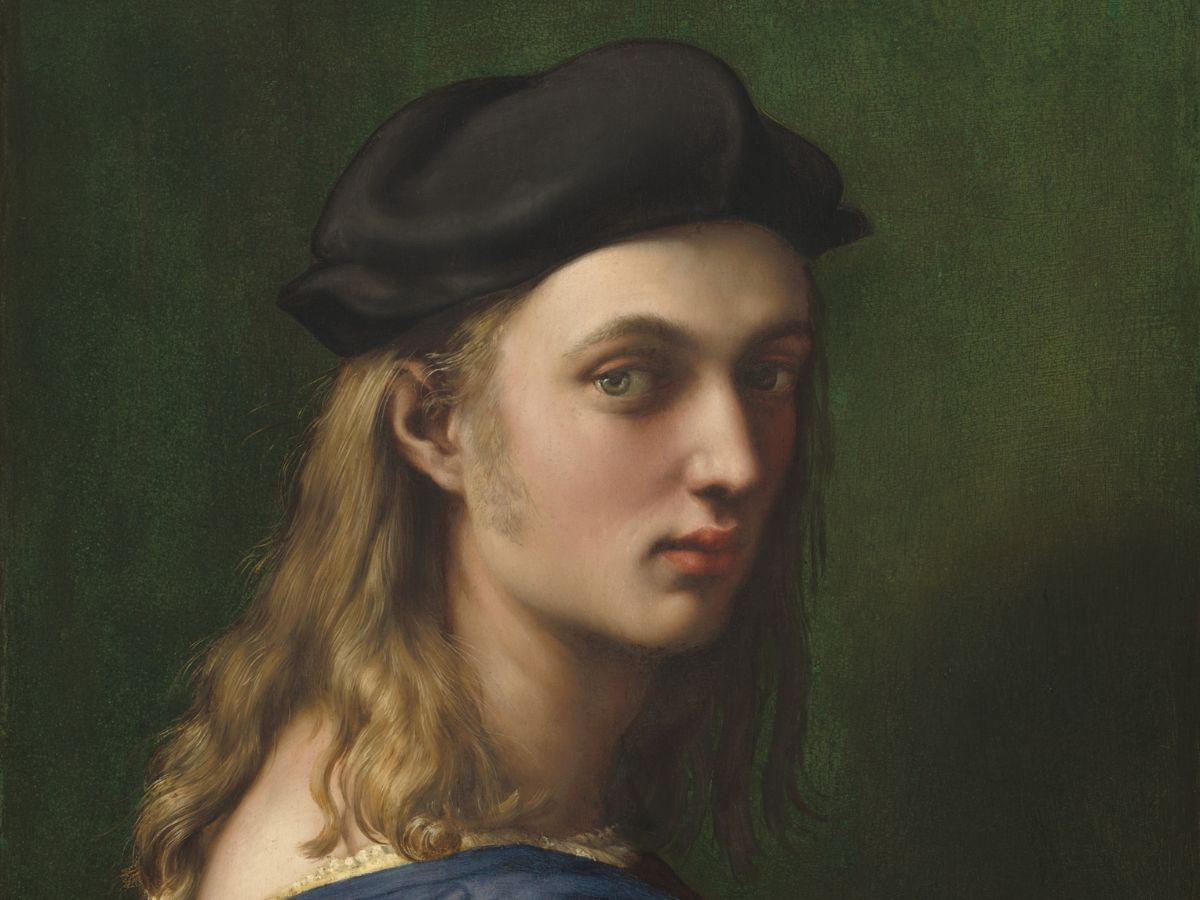
Bindo Altoviti, by Raphael, c.1515, oil on panel

Are Artist Wood Panels Archival?

If you’ve ever wondered whether a painting will still look beautiful decades or even centuries from now, you’re asking the right question. Creating great art is only part of the process. Choosing the right surface is just as important.

For many artists, wood panels are a top choice because of their strength, stability, and long-term durability. In fact, some of the world’s oldest surviving paintings, such as the “Pitsa pinakes” of Greece dated to the second half of the 6th century B.C., were created on wooden panels, proving that when they’re properly prepared and cared for, they can stand the test of time. Modern conservation research continues to recognize wood panels as a reliable support for long-lasting artwork.

Continue reading

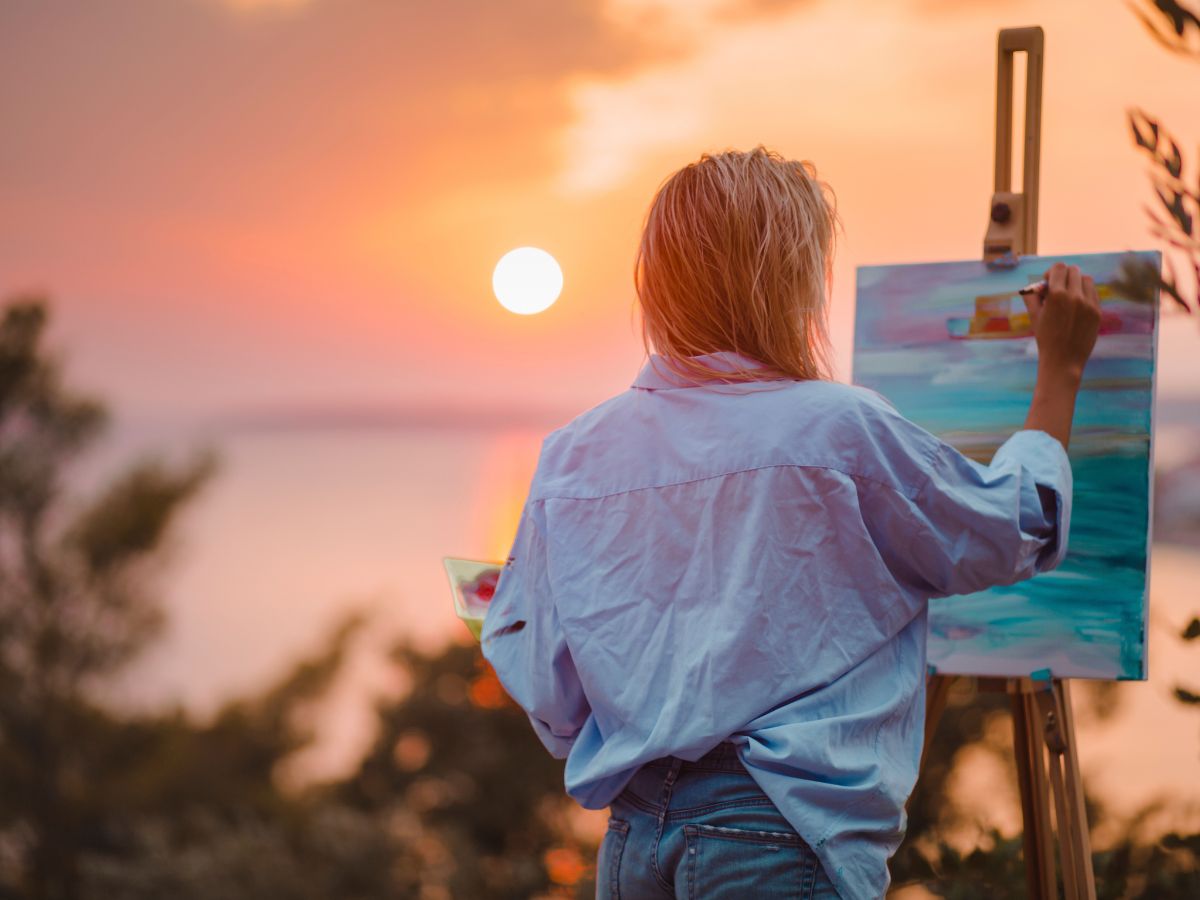
woman paints outdoors on a canvas

10 Landscape Painting Tips to Create More Depth, Light, and Impact

Landscape painting is one of the most rewarding art forms. Whether you’re standing in front of a mountain at sunrise or working from a favorite reference photo, every landscape offers a chance to tell a story through color, light, and atmosphere.

The challenge? Nature is full of detail. Knowing what to include and what to leave out is what separates a good landscape painting from a great one. Here are ten practical tips that will help you paint stronger, more engaging landscapes.

Continue reading

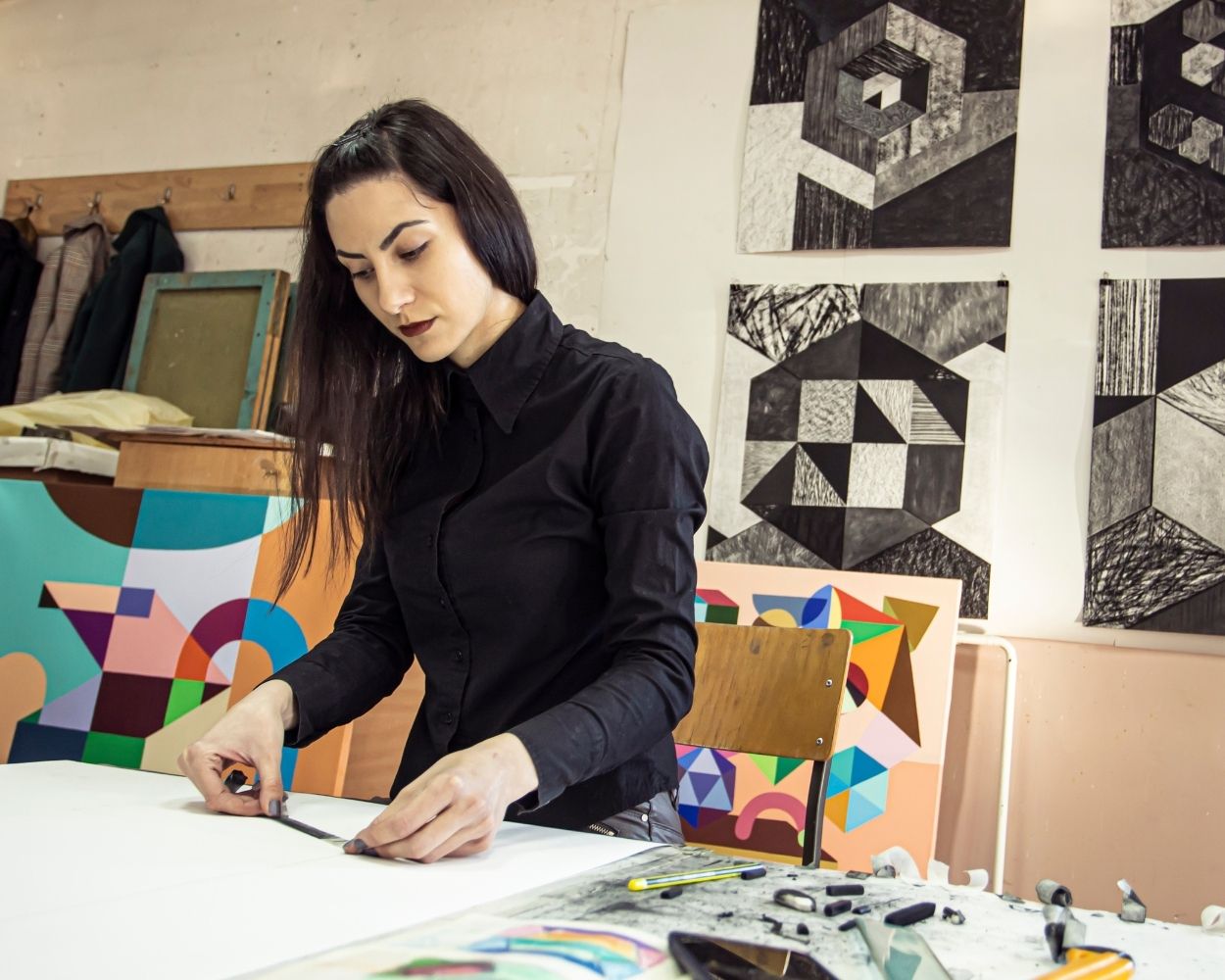
woman working in an art studio

How to Inventory Your Artwork

Most artists put this off. It feels admin-heavy, not creative. But if you’re making work regularly, you need a system. Otherwise, things slip through the cracks. You lose track of pieces, forget prices, or scramble when someone asks what’s available.

The good news is you don’t need anything complicated. A simple, consistent system works.

Continue reading

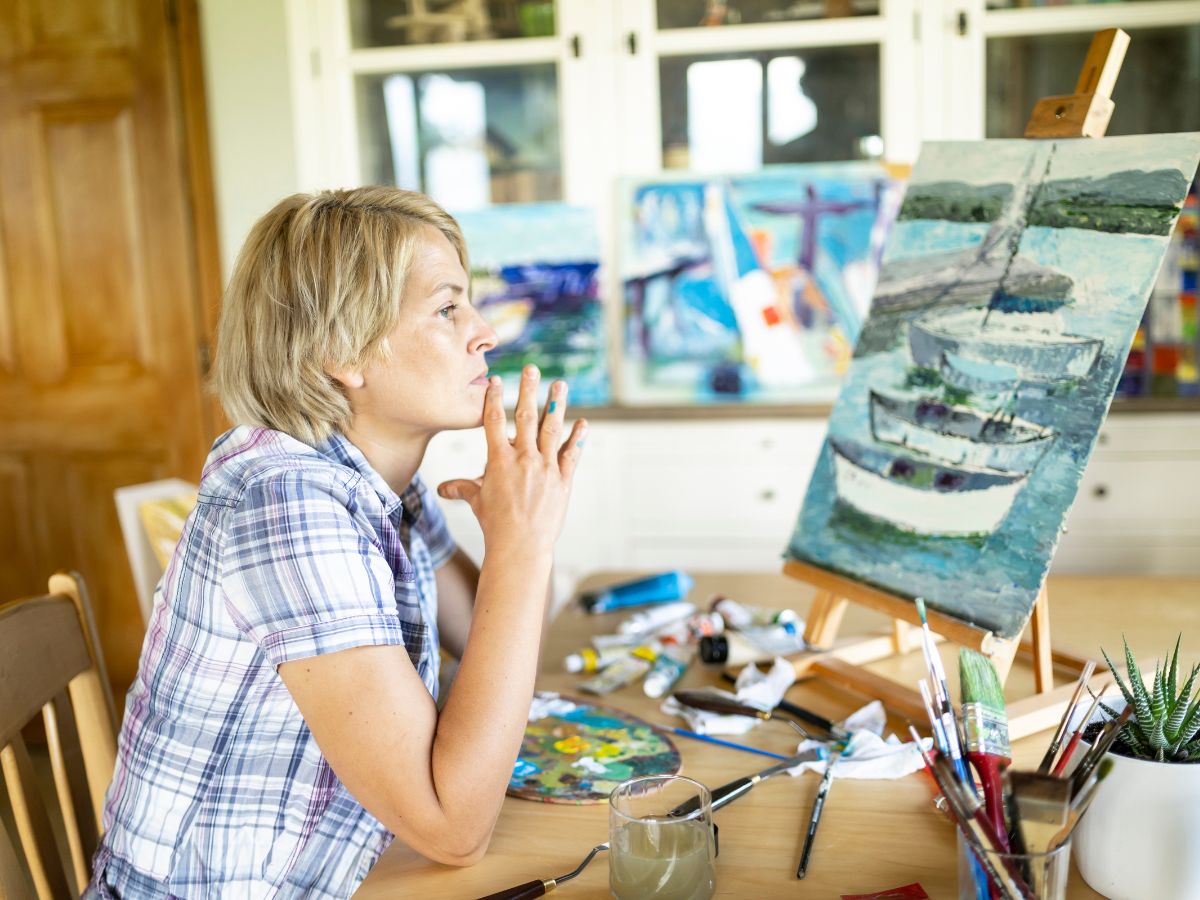
artist with boat painting on canvas

How Artists Can Thrive in Tough Times

When the economy tightens, the art world feels it. Sales slow down, galleries get cautious, and collectors hesitate. It’s easy to panic or pull back completely. But artists who stay steady and adapt tend to come out stronger. It’s about making practical adjustments that keep your work and income moving.

Continue reading

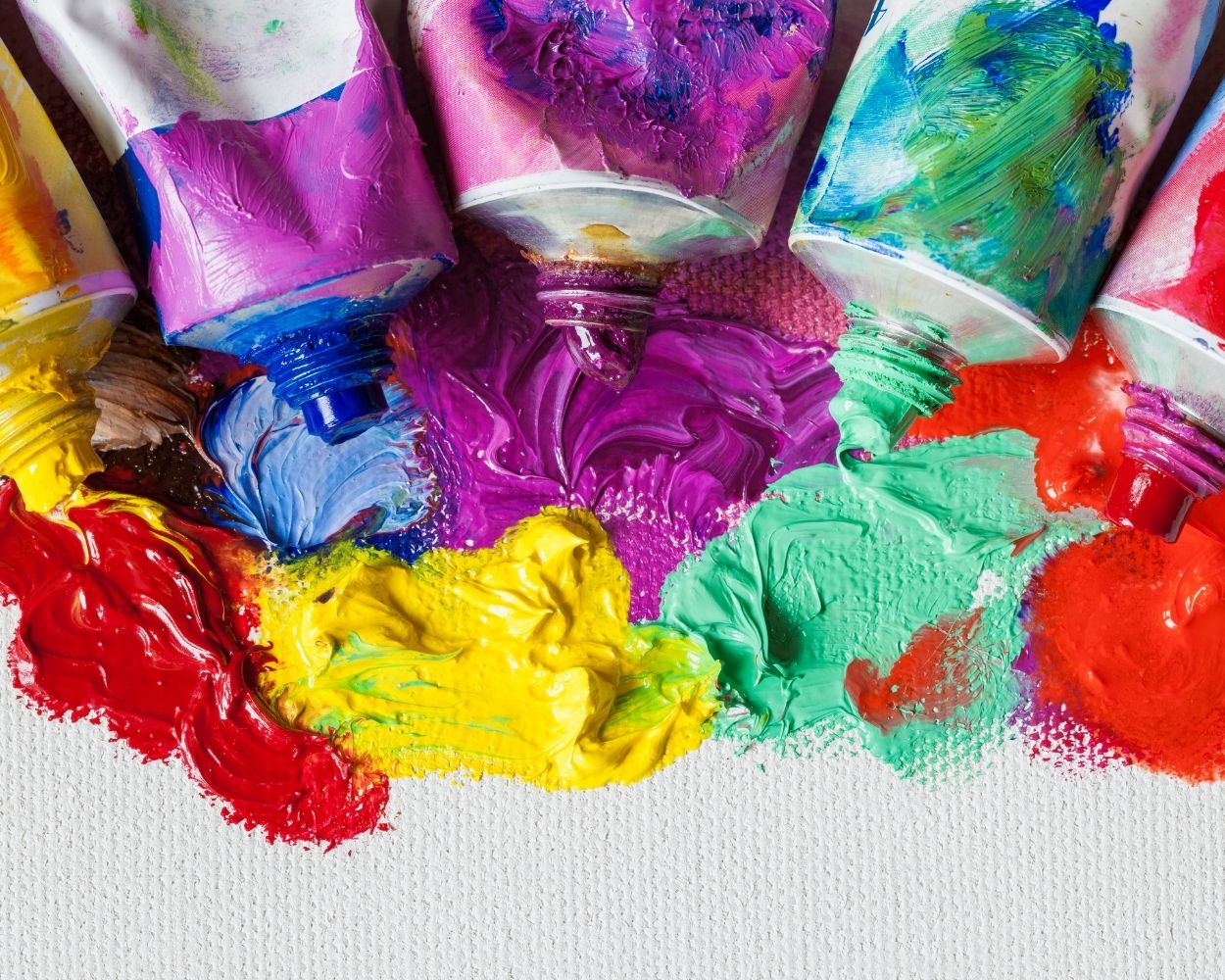
sample oil paints on canvas

How to Choose the Right Canvas for Oil Painting

Choosing a canvas for oil painting seems simple until you’re standing in front of a wall full of options.

Cotton, linen, primed, unprimed, smooth, rough. It’s easy to overthink it. The good news is you don’t need the “perfect” canvas. You just need one that supports how you paint.

Here’s how to make a solid choice without getting stuck.

Continue reading

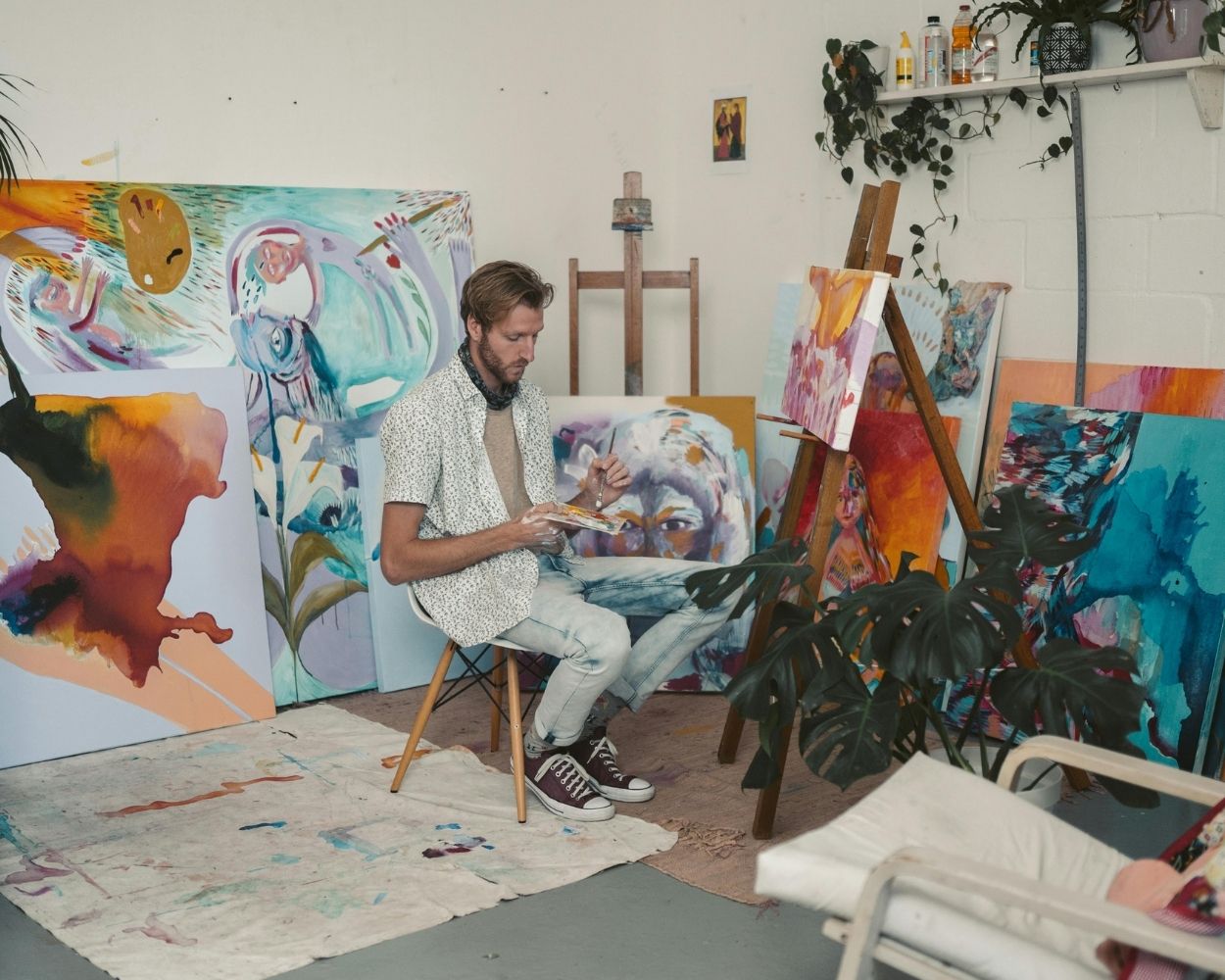
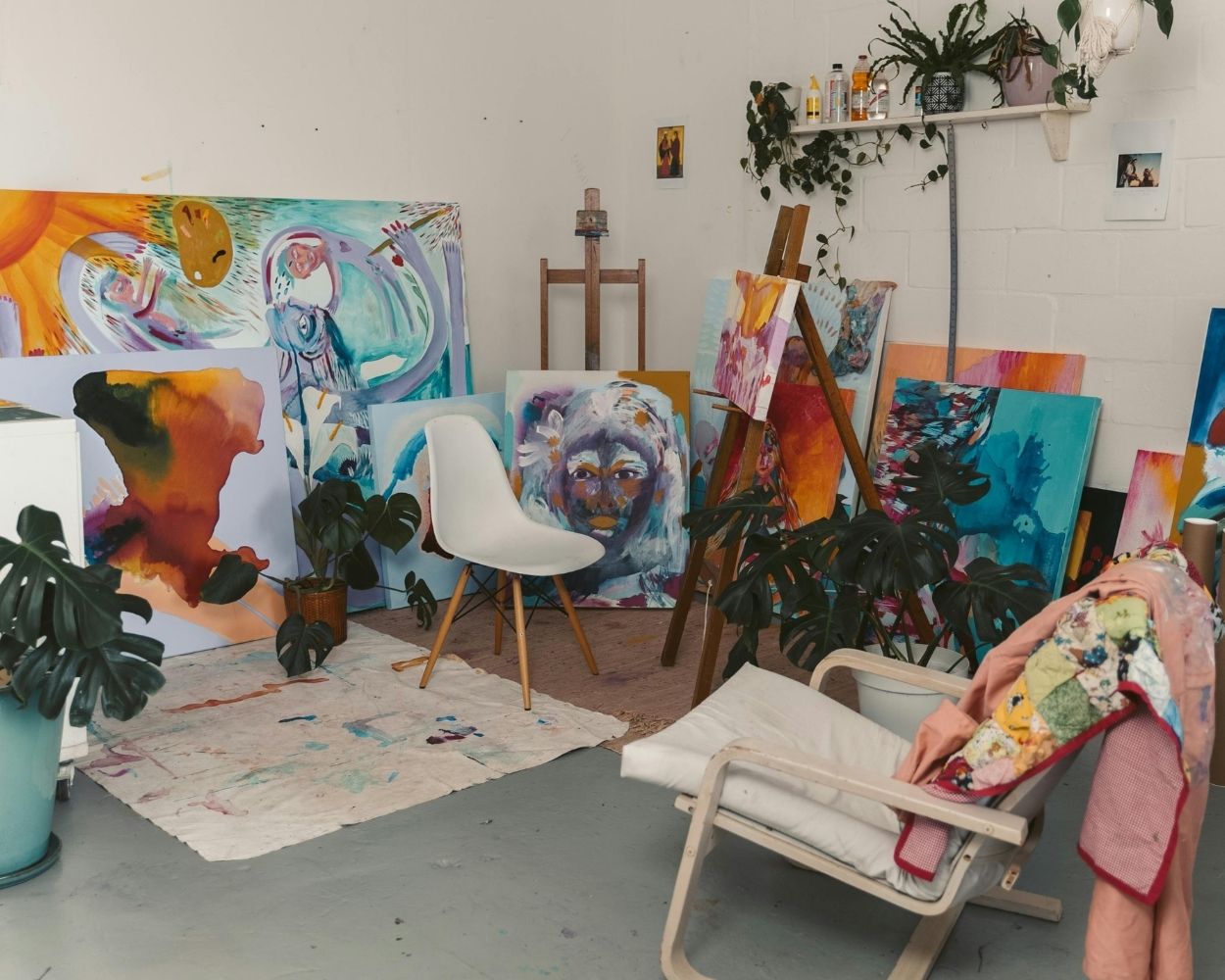
art studio with several paintings on display

What Materials Do Professional Artists Use for Painting?

“What do professional artists paint with?” It sounds like a simple question, but the answer isn’t just one material or brand.

Most professionals don’t rely on a single medium. What they use depends on their process, subject, and how they want the final work to feel. That said, there are clear patterns in what shows up again and again in working studios.

Continue reading

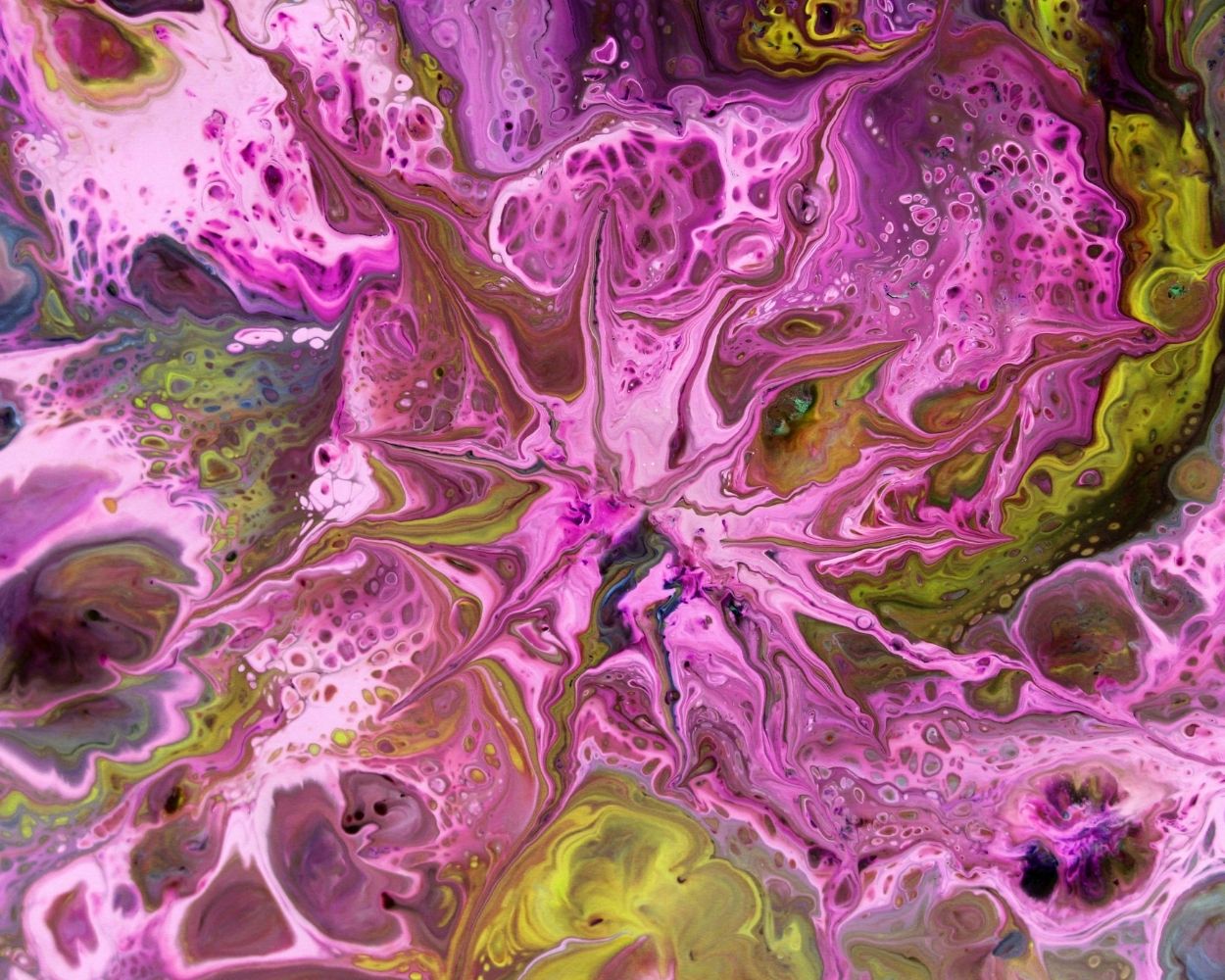
abstract acrylic flow painting

Acrylic Pouring Mistakes to Avoid: What Not to Do for Better Results

Acrylic pouring looks simple. You mix paint, pour it, tilt the canvas, and something interesting happens. That’s the appeal. But it’s also where most problems start.

If your pours look muddy, crack, or just don’t behave the way you expect, it usually comes down to a few avoidable mistakes. Here’s what NOT to do if you want better results.

Continue reading

artist working on a painting

What Happens If You Don’t Use Gesso in Your Canvas?

It’s tempting to skip gesso. You’ve got a blank canvas, paint ready, and you just want to get started. Gesso can feel like an extra step that slows you down. And technically, yes, you can paint without it.

But what actually happens if you do?

Continue reading

paint materials

Why Do Artists Wet a Canvas Before Painting?

Wetting a canvas before painting is one of those studio habits you’ll see some artists swear by and others completely ignore. The truth is, it depends on what you’re trying to do.

Continue reading

painting on a blank canvas

10 Simple Ways to Make Your Art Look More Professional

Making your art look more “expensive” isn’t about faking anything. It’s about clarity, control, and good decisions. Viewers can sense when a piece feels resolved and intentional. That’s what gives work a higher-end feel.

Here are ten practical tips that make a real difference.

Continue reading