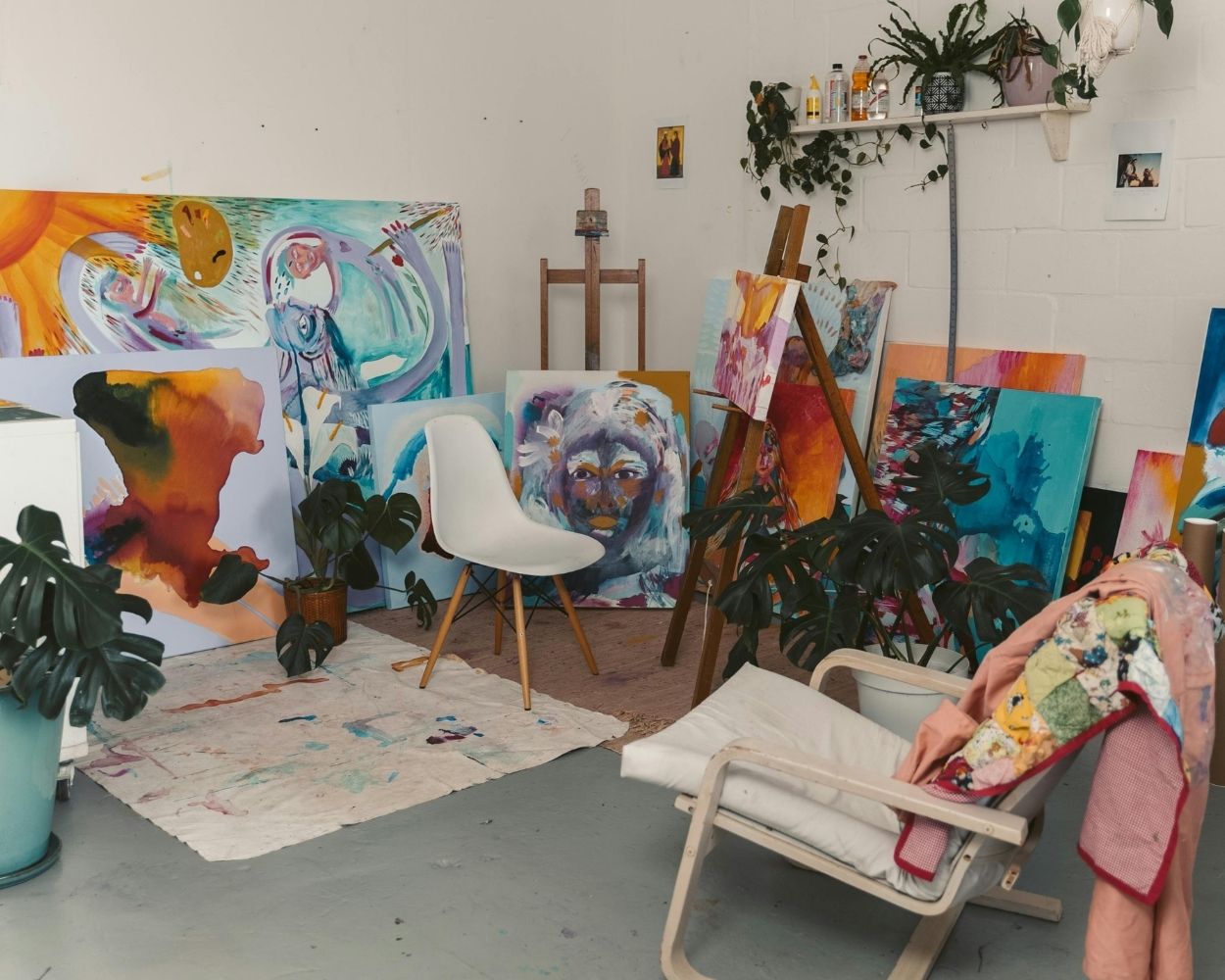
What Materials Do Professional Artists Use for Painting?
“What do professional artists paint with?” It sounds like a simple question, but the answer isn’t just one material or brand.
Most professionals don’t rely on a single medium. What they use depends on their process, subject, and how they want the final work to feel. That said, there are clear patterns in what shows up again and again in working studios.
Acrylic and oil are still the main choices
If you walk into most professional studios today, you’ll usually find either acrylics, oils, or both.
Acrylic paint is widely used because it’s flexible and practical. It dries quickly, can be used thick or thin, and works well on canvas, wood, or paper. Many contemporary artists prefer it because it fits a faster workflow and doesn’t require solvents.
Oil paint, on the other hand, is still a staple for artists focused on depth and subtle color transitions. It dries slowly, which allows for extended blending and reworking. For portraiture, realism, and layered work, oil remains hard to replace.
There’s no clear winner here. It’s about preference and purpose.
Artist-grade materials matter
One thing that does separate professionals from beginners is the quality of materials. Most professionals use artist-grade paints rather than student-grade. These contain higher pigment levels, which means stronger color, better coverage, and more predictable mixing.
It’s not about brand loyalty as much as consistency. When you’re working regularly, you want materials that behave the same way every time. That reliability saves time and reduces guesswork.
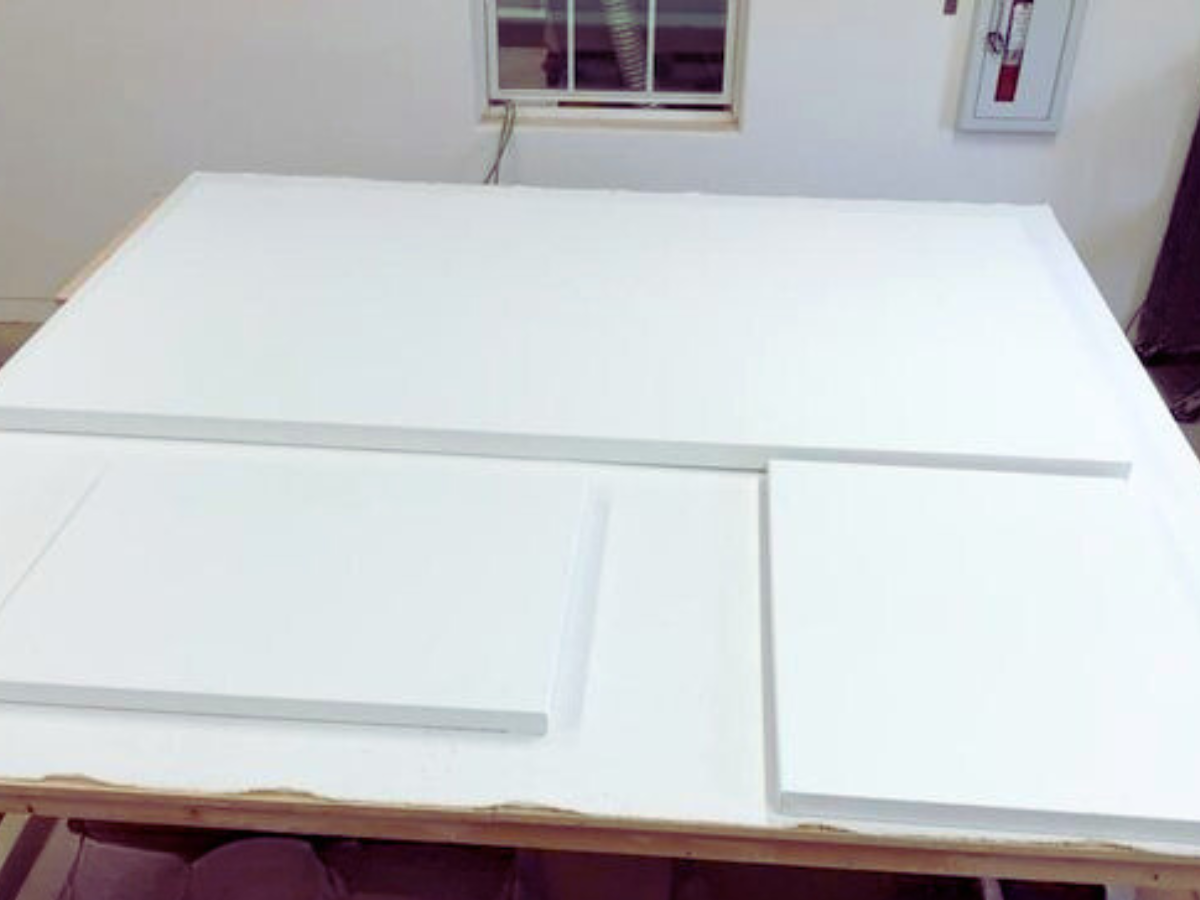
Surfaces are chosen
Professionals are also more deliberate about what they paint on. Canvas is common, but it’s not the only option. Many artists use wood panels, especially for smoother finishes. Others work on heavy paper for studies or even finished pieces. What matters is how the surface interacts with the paint.
Some artists prefer a smooth, sanded ground for detailed work. Others want more texture to catch the brush. It’s a choice tied directly to their style.
Mediums and additives play a role
Paint rarely comes straight from the tube and onto the canvas. With oils, artists often use mediums like linseed oil or alkyds to adjust drying time and flow. With acrylics, pouring mediums, retarders, or gels are common for changing texture and working time.
These additions shape how the painting develops. A fast-drying acrylic with a retarder behaves very differently from one used straight. The same goes for oil with or without added medium.

Tools are simpler than you think
There’s a tendency to assume professionals use specialized tools. Sometimes they do, but often the basics are enough. Good brushes, a few palette knives, and a consistent palette setup go a long way. Many artists stick to a limited set of tools they know well rather than constantly switching.
A shift toward mixed approaches
One noticeable trend in recent years is the mix of materials.
Artists combine acrylic underpainting with oil on top. They incorporate drawing materials, collage, or digital references into their process.
The line between mediums is less rigid than it used to be. This flexibility reflects how artists work now. It’s less about following strict traditions and more about using whatever supports the idea.
Most professional artists aren’t defined by what they use, but by how they use it. Acrylic, oil, panels, canvas, brushes, knives. These are just tools. The difference is in the decisions behind them.
If you’re starting out, don’t worry about matching what professionals use exactly. Focus on finding materials that feel reliable and let you work consistently.