Category: Resources

Abstract Expressionism in the 1950s and Famous Works

Abstract expressionism is an art movement that boomed after World War II, during the 1940s and 50s. It is the first American art movement that influenced the international art scene. The name came from the German Expressionists which is known for emotional intensity and the European abstract schools such as Futurism and Cubism. The movement is known for its spontaneity, energy, and messiness. Works done in the movement show an unconventional application of paint, loose writing, and colors that create tension. Paintings do not show recognizable subjects, instead, you’ll see colors, textures, lines, forms, and mixed media.

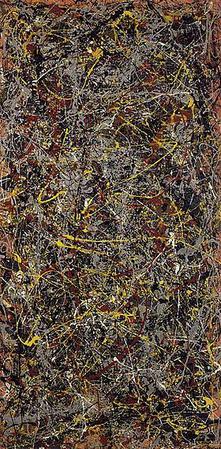
No._5,_1948
No. 5, 1948 by Jackson Pollock

The years prior and during the World War II, European artists took refuge in the United States. Paris, previously the center of the world’s art culture, was damaged after the war and New York replaced Paris as the art capital of the world. Most artists in this movement live in New York, giving the movement another name, The New York School. They created new ways of applying paint on canvas, such as Jackson Pollock’s “drip” technique, Willem de Kooning’s “Action painting,” and Mark Tobey’s “white writing.”

Famous Works

No.5, 1948 by Jackson Pollock
Jackson Pollock is one of the most influential artist in the Abstract Expressionist Movement. His No.5 painting is the second most expensive painting in the world and is considered as the best example of artworks in the movement. Pollock drizzled yellow and brown paints over the fiberboard, using his emotions take the lead of how the paint was put on the canvas.

The Liver is the Cock’s Comb (1944) by Arshile Gorky 
Founder of the 1920s cultural movement called Surrealism, André Breton considered this painting as “one of the most important paintings made in America.”

The Gate (1959-60) by Hans Hofmann 
Hans Hofmann painted The Gate from 1959-60. The painting is part of a series inspired by architectonic volumes. Hofmann painted rectangles in several bold colors which may seem subjectless but studying the piece, you will see that the relationship among the shapes in the painting resembles a gate as stated by the title.

No._2_Franz_Kline
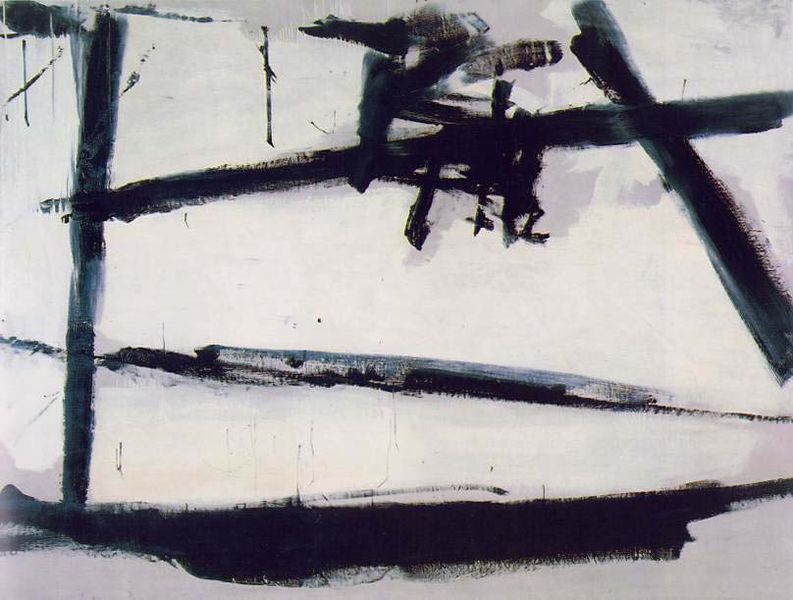
Painting Number 2 by Franz Kline

 Woman Series (1950-52) by Willem de Kooning 
In the 1950s, Willem de Kooning, a famous “action painter,” exclusively painted women as subjects. He used strong brush strokes and high-key colors which produced blatant images of women. The paintings exaggerated the features of women such as huge limbs, big eyes, and toothy snarls.

Painting Number 2 (1952) by Franz Kline 
Franz Kline is best known for his paintings in black and white. Many think that his pieces are influenced by the Japanese calligraphy but he denied it.

Image source: www.wikipedia.org

Top 10 Most Expensive Paintings in the World

Buying a painting costs a lot of money. A private collector can spend  millions of dollars for a coveted painting. Find out more about the most expensive oil paintings in the world sold at auction houses or private sales. The list is ordered according to the inflation-adjusted value of the paintings and the prices indicated are the original prices when the paintings were sold.

Card_Players_(5th_version)_1894-1895_Paul_Cezanne
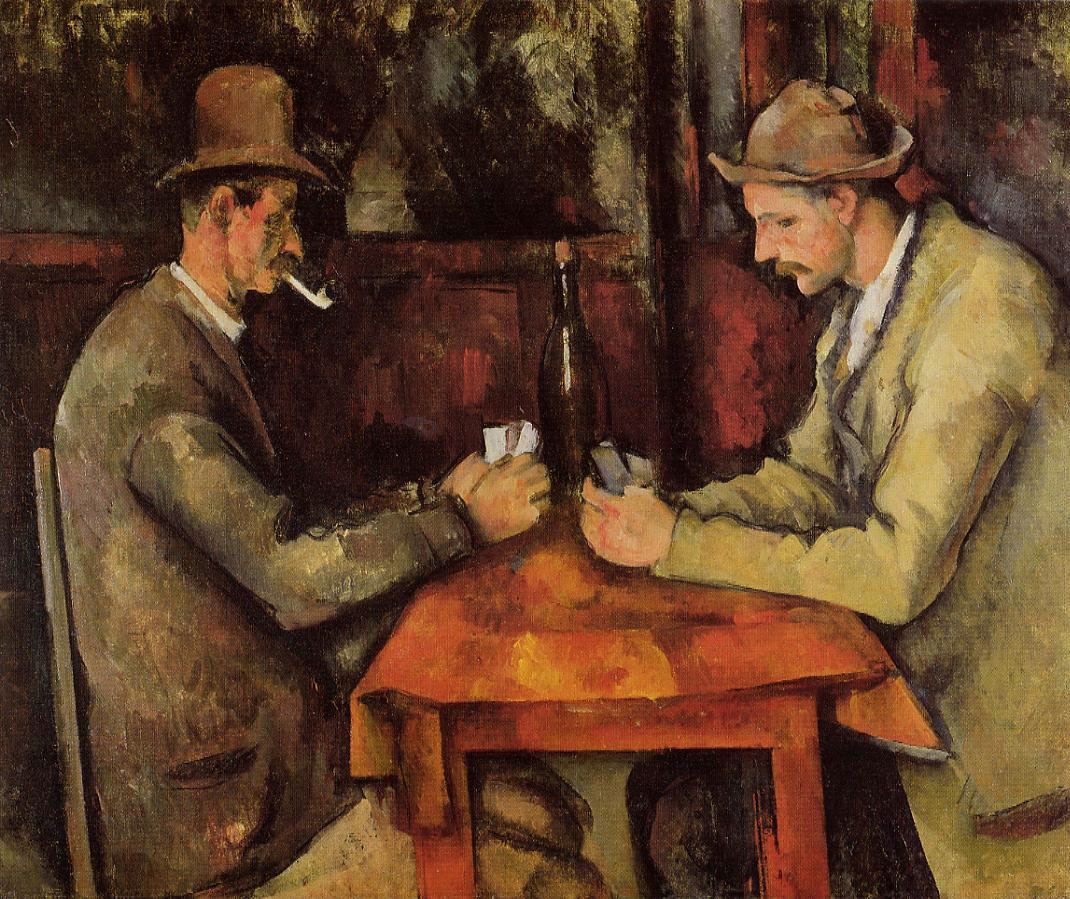
The Card Players by Paul Cézanne

1. The Card Players by Paul Cezanne ($259 million)
The Card Players was sold in 2011. It is a series of oil paintings by Paul Cezanne, a French post-Impressionist artist. The paintings show peasants in Provencal smoking pipes and playing cards, eyes cast downward, serious on the game at hand.

2. No. 5, 1948 by Jackson Pollock ($140 million)
The 8′ by 4′ painting by American artist Jackson Pollock shows his “drip” technique, drizzling brown and yellow paint over the fiberboard to create a nest-like appearance. This was done at the height of the Abstract Expressionist Movement.

3. Woman III by Willem de Kooning ($137.5 million)
Woman III is one of a series of size paintings by Dutch-American abstract expressionist painter Willem de Kooning. The painting is of a woman, and measures 68′ by 48 1/2′. Displayed at the Tehran Museum of Art from late 70s to 1994, it was then traded to David Geffen in exchange for the remainder of the 16th century manuscript called the Tahmasbi Shahnameh.

4. Le Rêve by Pablo Picasso ($155 million)
Le Rêve is a painting by Pablo Picasso in 1932 depicting his young mistress. The painting was done during the time when Picasso painted distorted depictions using oversimplified outlines and bold colors.

5. Portrait of Adele Bloch-Bauer I by Gustav Klimt ($135 million)
Portrait of Adele Bloch-Bauer I is a painting by Gustav Klimt in 1907 that took three years to complete. Klimt was commissioned by a wealthy industrialist to paint the portrait and he used oil and gold on canvas that measured 54″ x 54″.

6. Portrait of Dr. Gachet by Vincent van Gogh ($82.5 million)
This 1890 painting of the revered artist Vincent van Gogh portrays Dr. Paul Gachet who took care of the painter during the months before his death. The painting shows the doctor leaning his head on his elbow on a red table. Two authenticated versions are available of the portrait and the first version was sold at an auction in New York.

7. Bal du moulin de la Galette by Pierre-Auguste Renoir ($78.1 million)
Bal du moulin de la Galette is the painting commonly known as Dance at Le moulin de la Galette done by French artist Pierre-Auguste Renoir in 1876. It is one of the most famous masterpieces during the Impressionist movement. It portrays a typical Sunday afternoon in Paris where Parisians would dress up and relax at the Moulin de la Galette.

The_Scream
The Scream by Edvard Munch

8. Garçon à la pipe by Pablo Picasso ($104.2 million)
Garçon à la pipe (Boy with a Pipe) is a 1905 painting by Pablo Picasso which portrays a Parisian boy holding a pipe while wearing a wreath of flowers on his head.

9. The Scream by Edvard Munch ($119.9 million)
The Scream is created by Norwegian artist Edvard Munch between 1893 to 1910. The painting shows a figure with an agonized expression. There are four versions of The Scream using several mediums such as oil and pastels.

10. Nude, Green Leaves and Bust by Pablo Picasso ($106.4 million)
Nude, Green Leaves and Bust is a 1932 painting by Pablo Picasso. It is one of a series of paintings depicting his mistress.

Source: www.wikipedia.org

Acrylic Painting Tips for Beginners

water_lily_acrylic_painting
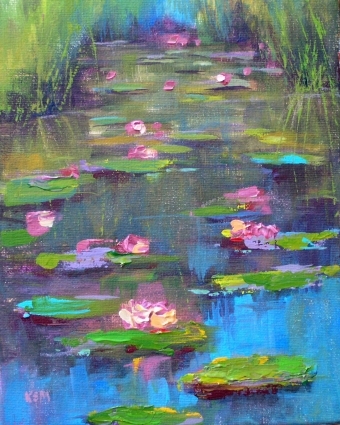
Water Lily Acrylic Painting by Karen Margulis

Acrylic paint is a fairly new medium compared to oil paint, only having been around in  the 1950s. Since it’s a flexible medium, acrylic is continuously being experimented and explored in the art world. If you’re starting your hand at acrylic painting, here are some of the painting techniques that you can utilize:

Watercolor Effects
Watercolor effects is a technique where acrylic paint is diluted to reach the consistency of watercolor paint. Many artists use this technique, but unlike watercolor, acrylic washes can be layered on top of another without disturbing the colors underneath. To achieve this, you have to wait for the first pint to dry first before applying another paint color on top. Once dry, the acrylic paint becomes water-resistant.

One drawback of this technique is it’s difficult to modify the color once the paint is dry and sometimes, washes dry with unwanted hard edges. Two tricks to solve this problem: dampen the canvas or use another brush moistened with water. Apply the paint with one brush and soften its edges using the other moist brush.

Pouring and Dripping Technique
Master painter Jackson Pollock popularized this technique in the 1940s and 1950s. This technique doesn’t require the use of paintbrushes or palette knife. You use gravity to move a very fluid acrylic paint across the canvas. You can pour the paint directly on the canvas or you can dip a brush in the paint and let it drip down on the canvas. You can use this formula in creating a fluid paint for this technique: 50% acrylic paint, 20% clear water-soluble varnish, and 30% water.

Sgraffito Technique
Sgraffito comes from the Italian word graffiare which means to scratch. As the name suggests, this is a scratching technique. You scratch the top layer of the paint to reveal areas on the surface underneath. A thick layer of paint is applied onto the canvas and you can use a blunt tool like a screwdriver or an end of an old paintbrush to scratch into the top layer and reveal another color underneath or the white surface of the canvas.

Using a Squeegee
You can use any regular squeegee from any hardware store for this technique. To do this, put some paint blobs on your canvas, you can lay out several colors. Using the squeegee, swipe it across the surface, dragging the paint across the canvas, mixing and smearing all the paints as you go.

Acrylic painting is a good starting point for beginners. It offers versatility and flexibility to an artist.

Image source: www.dailypainters.com

Jackson Pollock: Master of the “Drip” Technique

Jackson-Pollock
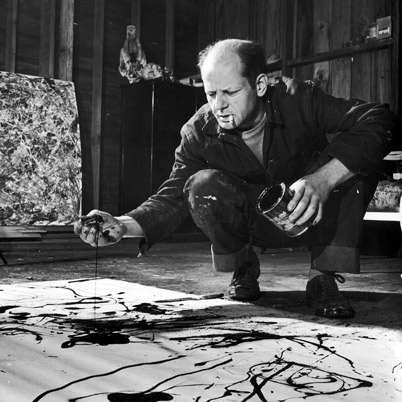
Jackson Pollock, famous 20th century artist

“It is only when I lose contact with the painting that the result is a mess. Otherwise there is pure harmony, an easy give and take, and the painting comes out well.”
– Jackson Pollock

Jackson Pollock is best known for revolutionizing the world of modern art with his unique abstract techniques, specifically the drip painting technique. Born in January 28, 1912, Paul Jackson Pollock, more popularly known as Jackson Pollock  was a major influence in the abstract expressionist movement. He studied under Thomas Hart Benton, an esteemed painter and muralist, before exploring abstraction expressionism. Pollock died in an alcohol-related car accident in December 1956. He was 44.

The “Drip” Period

In 1936, Pollock attended a workshop by Mexican muralist David Alfaro Siqueiros in New York City and this is where he was introduced to the use of liquid paint. He used paint pouring as a technique and he began painting with his canvas laid down on the floor and the “drip” technique was born.

The “drip” technique is a combination of Pollock’s body movements, flow of paint, gravity, and paint absorption. It was a technique which merges the controllable and uncontrollable factors in painting. Pollock moves around his canvas while dripping, pouring, splattering paint onto it until he’s satisfied with the result.

Pollock’s paintings became famous during the “drip” period, between 1947-1950. The Life magazine published an article on Pollock in 1949  which asked, “Is he the greatest living painter in the United States?” that made him distinguished in the art world. His exhibition in the sames year at the Betty Parsons Gallery sold out and he instantly became the best paid avant-garde painter in the US.

Here are some of Pollock’s most famous paintings during the “Drip” period:

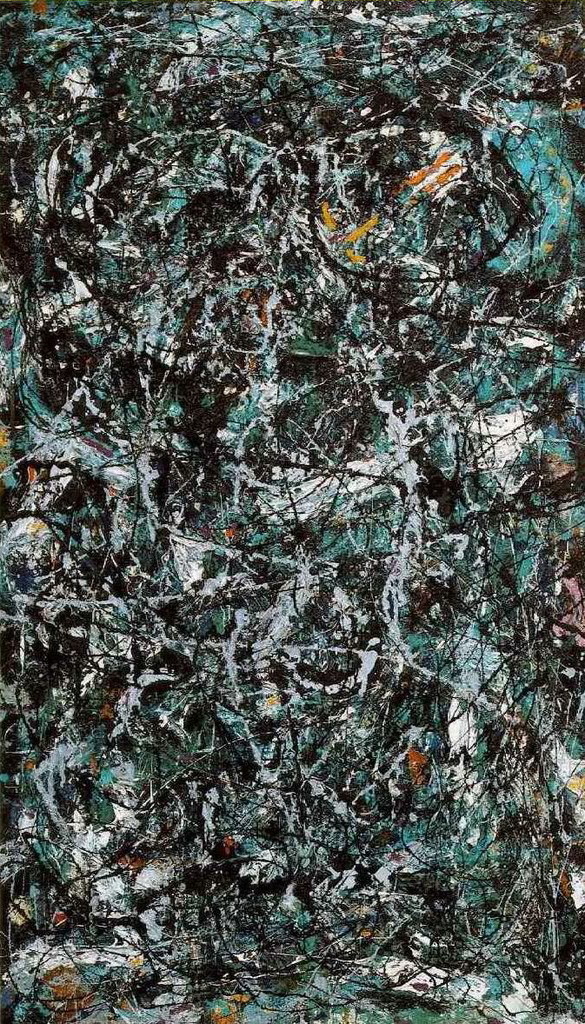
full-fathom-five
Full Fathom Five, 1947

Full Fathom Five is one of Pollock’s earliest drip paintings. The top layers consist of poured skeins of house paint, creating a lace-like image. Pollock used a brush and palette knife to build up the underlayer of the painting.

number-1
Number 1, 1948

Number 1 is the masterpiece of the drip technique. This is one among Pollock’s largest works, pulsing with energy, with an intricate web of hues that suggests speed and force.

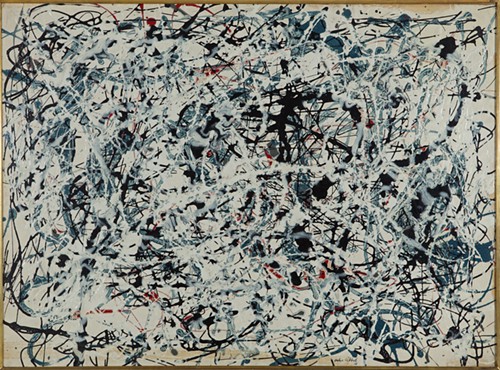
composition
Composition (White, Black, Blue and Red on White), 1948

Composition (White, Black, Blue and Red on White), 1948 is a great example of Pollock’s “drip” technique or flung paint. When Pollock was creating this masterpiece, he placed his canvas on the floor and painted in a rhythmic, undulating style. This piece represents pure abstraction, a painting with no focal point and thus making all areas of the painting important.

Image sources: www.biography.com and www.jackson-pollock.org.

How to Clean your Paint Brushes

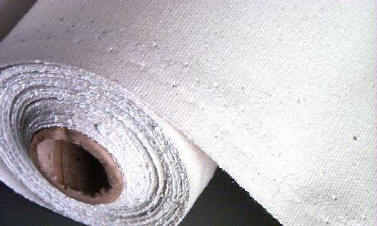
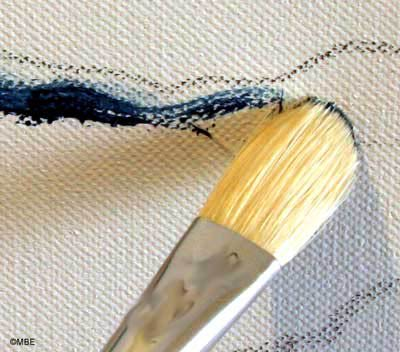
Canvas-textureAside from canvas, one of an artist’s most important tools is his/her paintbrush. Your paintbrushes are your investment and you have to take good care of them so you can use them for a long time and you get your money’s worth. It’s a waste of money if you just leave your brushes after painting and they end up worn and unusable next time you paint. If you clean your brushes and store them properly, you can lengthen the lifespan of your brushes.

After painting, it’s wise to clean your brushes and store them well. Here are steps on how you can clean your paint brushes.

1. Prepare the things you need. Get your paint thinner, turpentine, or mineral spirits, a small container, and some old newspapers or tissue.

2. Wipe off excess paint from your brush using the newspaper or tissue. Gently squeeze the bristles from the ferrule (metal part of the brush) to the tips. Keep squeezing the brush but not too hard as to pull on the bristles.

3. In a small container, put some thinner, enough to dip in your brush. Rinse the brush to loosen more paint. You can use lukewarm water if you used a water-based medium in your painting. Important: Don’t use hot water since it can expand the ferrule which causes the bristles to fall out.

4. Wipe off excess paint with more newspaper. Squeeze off the thinner from the brush.

5. Wash the brush using a mild soap (liquid soap can also be used). Put soap on the brush and gently create a lather in a container or your palm. Let the soap penetrate the bristles to loosen more paint. Use disposable gloves if you’re concerned about possible absorption of Cadmium into your skin.

6. Rinse and repeat until there’s no trace of coloring coming out of the brush.

7. Shake off excess water and use the newspaper to get most of the water out of the brush.

8. Gently re-shape your brush head to its correct shape using your fingers.

9. Leave the brush to dry at room temperature and store it bristles-up in a jar.

Important:

  • Clean your brushes immediately after painting.
  • Don’t leave your brushes soaking in thinner since it will weaken the glue holding the bristles together.
  • Be patient when cleaning your brushes. Rinse it several times to get off the paint.
  • Use separate brushes for oil painting and water-based mediums.

Image source: About.com

How to Handle Criticism of Your Art

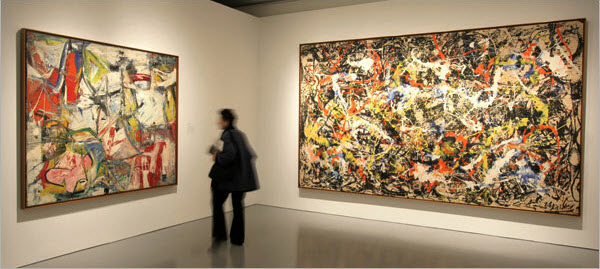
nytimesinstallationpic-500x225

“When art critics get together they talk about Form and Structure and Meaning. When artists get together they talk about where you can buy cheap turpentine.”

― Pablo Picasso

Creating canvas art opens your world to others. Your work reflects how you feel, what moves you, what inspires you, what experiences you hold dear or not, and more. It’s opening up yourself to the world, and you should be prepared what the world will give back to you.

In the art world, people will say all kinds of things about your work. Some are great, some not so. Especially now that everything’s online, some anonymous person could just give negative criticism to your masterpieces and it can be annoying. These criticisms may even dampen your spirits in continuing your art. But, it shouldn’t be so.

Here are some ideas on how to handle your critics:

1. Don’t react right away. If someone criticizes your artwork, your automatic response would be to attack back. You get angry, defensive, or disturbed when you get criticism and you’ll have the urge to reply instantly. Don’t. Take a few (or more) deep breaths  and read again the comment (if the criticism is done online), or cool down first before saying your reply in person.

2. Ask some questions first. Questions like, Who is this critic? Do you know them? Are they qualified to judge your work? Are they potential buyers? Are they esteemed members of the art community? Or, are they just blabbermouths? See who are criticizing your art and get a little perspective on how they came about the criticism. Even if your critic is not qualified to judge your work, you  still have to consider what they say. If one of your goals is to get wider exposure, then selecting just a few “qualified” critics will not help you reach that goal.

3. Remember that criticism is not always about you. Keeping this in mind will help you become level-headed whenever someone criticizes your art. There are feedbacks which may even help you become better at your craft, so don’t get defensive right away. You can just think that your critic is having a bad day that’s why he overreacted in his comment to your art.

4. Think about the bigger picture. Don’t snap back every single time someone contradicts your work. Get something positive from this negative. Listen to these criticisms and over time, you will figure out a general response of the public to your art. You will see similarities on how people take your art and you’ll learn how to present yourself and your art to everyone’s advantage.

5. The real question to ask is what YOU think about your art. At the end of the day, it’s your work so the criticism worth listening to is yours. What really count are your determination, creativity, and commitment to your art.

Image source: http://hragvartanian.com/

Tips on Saving Money on Art Supplies

minimum-kit

Painting can be an expensive hobby and profession. Art supplies may come at exorbitant prices so you have to be smart about purchasing the things you need so you won’t go broke in the process of doing what you love.

Here are some tips that I use so I can save some money when buying my supplies:

Tip No.1 – Stock most commonly used art supplies. As much as possible, when I go to the art store, I buy all the things I need now and in the near future. For example, I don’t wait until I ran out of paint. If I go to the store at the last minute, I will most likely buy other supplies which I had no intention of buying in the first place. I go to the store buying paint and I go out with bags full of other stuff. Sounds familiar?

Tip No.2 – Keep art supplies in good condition. It’s hard to keep my studio and tools clean after painting but it’s wise to take care of the things I use in my art. I clean my paintbrushes and other utensils after use and I make sure they are dry before putting it in storage. There are trash bins inside my studio so waste materials have their own place, too. Art supplies cost money and throwing them away because of mishandling and carelessness also means throwing away money.

Tip No.3 – Buy online. I get great deals shopping at online art stores. Bigger art retailers offer their extensive range of supplies online and it’s fun to browse through them. The websites also have a Sale section so I can see discounted art materials. ebay and Craigslist are also great in finding deals on art supplies, you just have to be patient and check these sites regularly.

Tip No.4 – Subscribe to mailing lists. Art shops offer great deals and incentives through their mailing lists. They send discount coupons and sale announcements to members so join every mailing list of art retailers near you.

You can also consider getting a membership card from the art shop which you frequent. Store members can get discounts and other incentives and these little savings can add up.

Tip No.5 – Buy in bulk to get wholesale prices. Buying one piece of an item costs more than buying it in bulk. Art stores offer wholesale discount prices when you buy in bulk. You may think that it will cost you a lot of money but if you compute the price per piece, you’ll realize that buying wholesale is still cheaper than buying retail.

Image source: http://www.guidetooilpainting.com/

Choosing the Right Canvas Size for your Painting

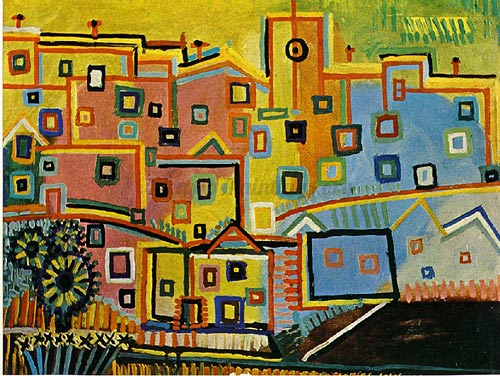
untitled-1937-4_Pablo-Picasso
Untitled 1937 4 By Pablo Picasso

“The artist is a receptacle for emotions that come from all over the place: from the sky, from the earth, from a scrap of paper, from a passing shape, from a spider’s web.”
– Pablo Picasso

Local art suppliers offer a wide range of sizes for canvases. This may intimidate amateur artists and overwhelm them with the variety of choices in a store. You can paint on any size of canvas but you need to know the canvas sizes available. One advantage of using standard canvas size is that its frame is readily available in a store. You don’t have to pay extra to get a custom-sized frame.

To be able to select the perfect canvas size for your painting, here are some information about canvas sizes. Artists use the height x width measurements when specifying the dimensions of a canvas or frame.

Here are the common canvas sizes (in inches):
Small sizes
5 x 7
8 x1 0
9 x 12
11 x 14
12 x 16

Middle sizes
16 x 20
18 x2 4
20 x2 4

Large sizes
24 x 30
24 x 36
30 x 40

If you’re just starting to paint, try using the 18 x 24 canvas size. It has the right size and proportion for a beginner. Experienced artists may opt to use the 30 x 40 size since it is large enough for a professional painting.

Landscape painter Stapleton Kearns suggests using six stock sizes when painting. You can choose two sizes from each category and you can buy premade frames from your art retailer. It’s easy to purchase and store these frames in your home so whenever you’ve finished with a painting, a frame is readily available for it.

If you want to use a different size of canvas, custom-sized canvas is also available. There is no stopping you from creating your art beyond the limits of standard canvas sizes. Your art supplier can provide you the canvas you need based on your requirements.

Aside from standard size canvases, CanvasLot provides custom-built and hand-stretched canvas at an affordable cost. If you need a huge canvas, whatever your specific needs, they can provide it. A custom-made canvas does not need to cost you an arm and leg. Many art students and children buy their art supplies from CanvasLot since they offer an excellent range of products at a discount.

Image source: Picasso Paintings

How to Varnish a Canvas Art

red_cherry_tree

Varnishing a canvas art may be a confusing subject among artists. Varnish serves as a protection of your painting from pollution, scratches, UV rays, and other contaminants. It also brings out the colors and brilliance of your painting.

In oil painting, varnish gives the painting the same gloss level and it protects the piece from dust and other pollution in the atmosphere. In acrylic painting, as your acrylic film is reaching the final dry state, the few evaporating water molecules leave micro-pores on the film, leaving the film tacky to the touch when fully dry. The porous acrylic film accumulates dust and dirt and the best way to protect the painting is by varnish.

A high-quality varnish offers superb quality, remove-ability, and easy and even application. Varnish a painting when it is completely dry. It takes an oil painting a minimum of six months or longer for it to fully dry, depending on the thickness of the film. For an acrylic painting, it will dry between two and a few weeks, again, depending on the thickness of the film.

Steps:

1. Check if the surface of the painting is clean. Use a lint-free cloth to gently swipe the painting and make sure that no moisture can get on the painting, brush, or the container.

2. Use a 1″ to 4″ varnishing brush. A wide brush is a must so you won’t miss any spot.

3. Place the painting flat on the table so you can varnish horizontally.

4. Dip the brush in the varnish and wipe off the excess on the lid of the container.

5. Apply a thin coat of the varnish in long, even strokes. Stroke back and forth across the painting until the varnish becomes tacky. A little varnish goes a long way. Inspect the varnish and see if there are any bubbles. If there are, even them out immediately.

6. Once you’re done in an area, leave it until you’re done varnishing all the surface of the painting. If you missed a spot, allow the varnish to dry completely and apply another coat of varnish.

7. When done, lean the painting against a wall and put a protective plastic film “tent” to protect it from dust. To test if the varnish is dry or not, touch the edge of the painting to see if it’s still tacky.

Varnish dries at different rates, depending on the weather. In cool, dry weather, varnish dries overnight, while it takes longer to dry in warm, humid weather.

Tips:

  • Always varnish the painting in one go. If you varnish part-by-part, you’ll end up with lines between the parts you’ve varnished.
  • Look for dust-free workplace so dust will not get into the varnish while you’re applying it.

Image source: EBSQ

How to Frame a Canvas Art

The Canvas Lot facilities keep a huge store of standard pieces in stock, but can also produce custom sizes in days.

Framing a canvas painting allows you to hang and display the art piece while protecting it. A frame can help your audience focus on your artwork when they are beautifully displayed in the showroom or even your home. Framing a painting on canvas can be a daunting task to many. There are lots of information out there on framing but here is a detailed way to frame a canvas art.

Materials Needed:
Go to your local art supply shop to get these materials.

  • Mat – A mat should overlap the edges on the painting to serve as a border between the print and the frame, and between the print and the glazing panel. Mats are available in pre-cut form in most art supply stores but they can customize the size of the mat upon request. Mats are available in different colors and are usually 4- and 8-ply thick. I would suggest using a white mat since colored mats tend to fade.
  • Backing board – A backing board should be acid-free. Use a backing board that is the same size as the outside dimensions of your mat.
  • Adhesives – Use acid-free adhesives such as a brushed on adhesive or spray adhesive. You can also use a mounting film, or mounting tape.
  • Glazing panel – It can be glass or acrylic. There are also plain and UV-protected panels.
  • Frame – There are many frames available in your local art supply store which are made of wood, plastic, or metal.

Steps:

  1. Measure the length, width, and depth of the canvas. Use these measurements when buying your framing supplies.
  2. Draw the borders inside your backing board.
  3. Apply the adhesive to the backing board.
  4. Put your canvas print over the backing board, using the borders as your guide.frame-15
  5. To make sure that you’ve positioned your print correctly, lightly position the mat over the print. If you are satisfied with the position, remove the mat.
  6. Use a clean piece of paper and apply pressure to bond the print to the backing board. Remove the paper and check again the alignment of your print and backing board.
  7. While waiting for the adhesive to set, clean your glazing panel. You can use an anti-static cloth to remove miniscule marks, oils, dust, finger prints, etc.
  8. Put the glazing panel inside the frame, followed by the mat, and then the mounted print.
  9. Secure the frame and canvas with the clips at the back of the frame. Most frames come with a pre-attached bracket so you can readily hang it.

Image from here.