Why Do Artists Wet a Canvas Before Painting?
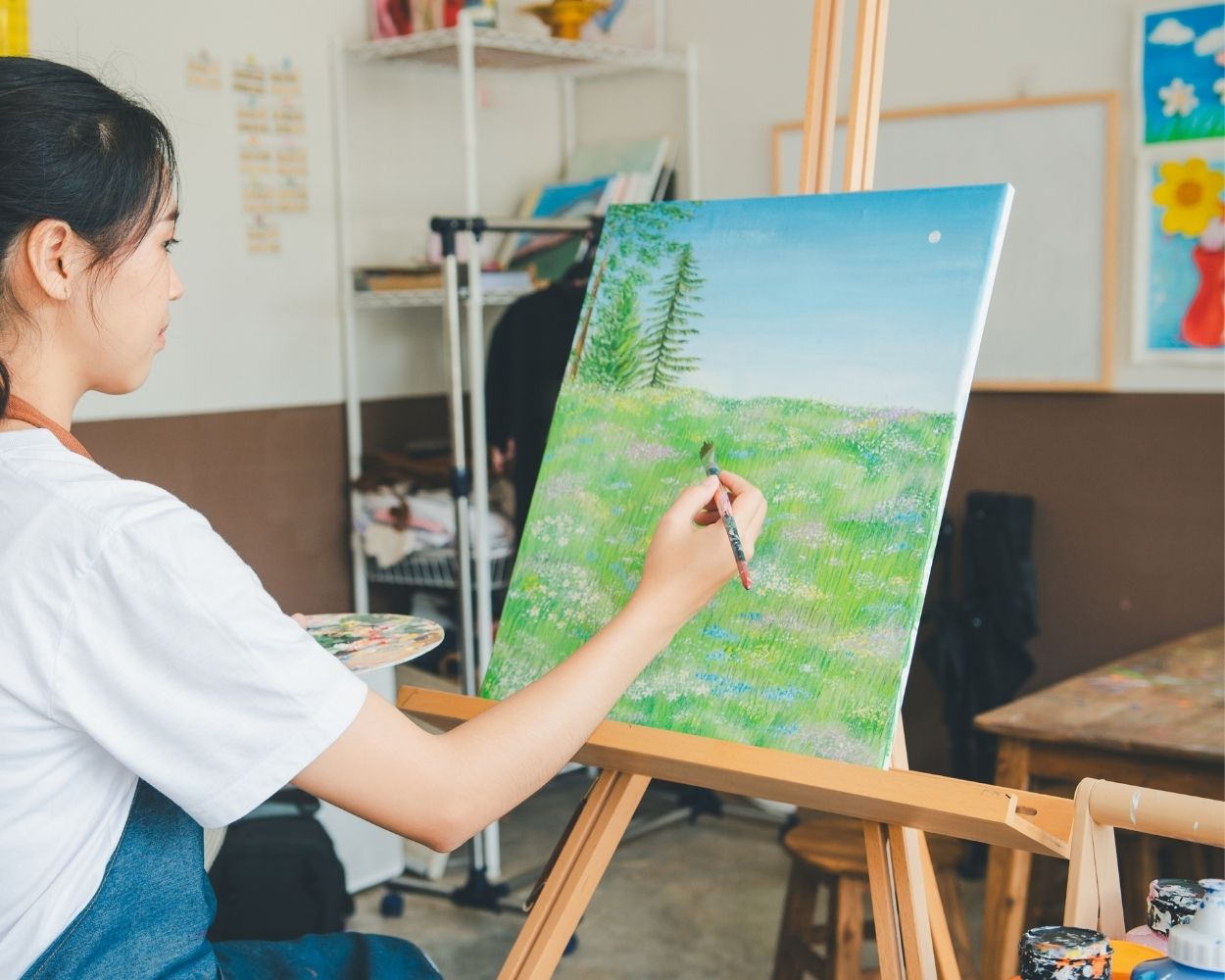
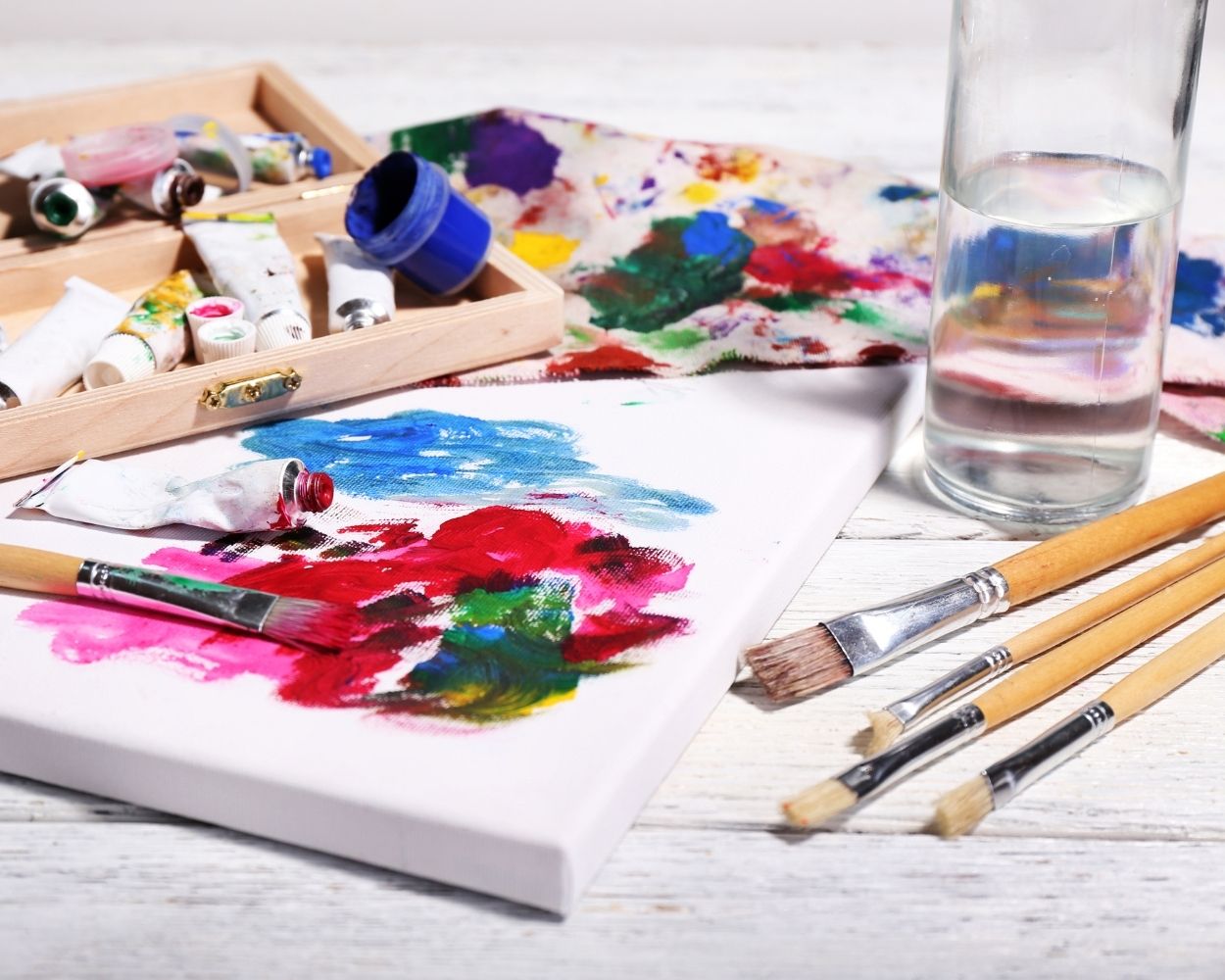
Wetting a canvas before painting is one of those studio habits you’ll see some artists swear by and others completely ignore. The truth is, it depends on what you’re trying to do.
There’s something thrilling about standing in front of a large canvas. The scale invites bold decisions, expressive gestures, and a physical connection to your art that smaller formats simply can’t match. But that sense of freedom can also come with challenges: intimidation, proportion issues, time management, and even fatigue. Here’s a guide to help you approach large canvases with confidence and clarity.
Wood panels are a favorite support for artists because they are rigid, durable and great for fine detail. But unlike canvas, wood responds to moisture and humidity by expanding and contracting. When that movement isn’t balanced, the panel can warp. Here’s how you can prevent warping and address it when it happens.
Artists spend time choosing materials, layering paint, and refining compositions, but once it’s finished, the big question usually comes up: Do I need to frame this canvas? The honest answer is it depends. There’s no strict rule, and both framed and unframed canvases have their place. What matters most is the artwork, your intent, and how you want it to be experienced.
Whether you’re a beginner experimenting with acrylics or a pro juggling gallery work, rising art supply costs can feel like a real creative barrier. Many contemporary artists have seen and felt that pinch but with a bit of planning and creativity, you can keep painting even when the budget tightens. Here’s how.
If you’re holding a raw canvas in your hands and wondering whether you can just dive in and paint with acrylics—yes, technically you can. But skipping the primer is a gamble. You might get away with it for quick studies or casual experiments, but if you want your work to last, look good, and behave predictably, priming is almost always worth it.
Hanging an acrylic painting might feel simple, but it’s surprisingly easy to make mistakes that could damage the work or its presentation. From a studio standpoint, taking time to do it right matters. Whether you’re an amateur, a seasoned painter, or an art lecturer setting up student work, here’s a guide to hanging your acrylic paintings.
When embarking on a new painting project, selecting the appropriate canvas is as crucial as choosing your color palette. The right canvas not only complements your medium—be it oil, acrylic, or mixed media—but also influences the texture, durability, and overall presentation of your artwork. Here are the various canvas options to help you make an informed choice for your next masterpiece.
Preparing your canvas is a crucial step in the painting process that can significantly impact the quality and longevity of your artwork. However, many artists, both beginners and seasoned professionals, often make mistakes during this stage. Let’s explore some of the most common errors and how to avoid them.
Creating large-scale artworks presents unique challenges and opportunities for artists. The expansive canvas allows for greater expression and impact but requires thoughtful preparation and technique. Here are essential tips to guide you through the process of working on oversized canvases.