
How to Choose the Right Canvas Depth: A Guide for Artists
Canvas depth might seem like a small detail when choosing a painting surface, but it can make a noticeable difference in how your finished artwork looks, hangs, and fits into a space. A shallow canvas offers a classic, understated profile, while a deeper canvas gives a painting more visual presence and allows the sides to become part of the presentation.
The best choice depends on your artwork, preferred display style, canvas dimensions, and whether you plan to frame it. Here’s how to choose the right canvas depth for your next project.
1. Understand the Different Canvas Depths
Canvas depth refers to the thickness of the wooden stretcher bars, measured from the front of the canvas to the back of the frame. Most stretched canvases fall into a few common categories:
Standard depth (around ¾ inch): A traditional, slim profile often used for paintings that will be placed inside a conventional frame.
Gallery depth (around 1½ inches): A thicker profile with enough side surface for a clean, unframed presentation. Artists can paint the edges or continue the composition around them.
Extra-deep profiles (2 inches or more): These create a bold, dimensional appearance and can make large paintings feel more substantial on a wall.
Exact measurements vary by manufacturer, so always check the product specifications before ordering.
2. Consider How You Want to Display Your Artwork
Planning to frame your painting? A standard-depth canvas is often easier to accommodate in a traditional frame.
Prefer a frameless, contemporary look? Gallery-depth canvases are a popular option. Their sides can be painted to complement the artwork, creating a finished appearance without an additional frame.
For a more sculptural presentation, consider a deeper profile. The added thickness creates a stronger shadow along the wall and gives the artwork more physical presence.
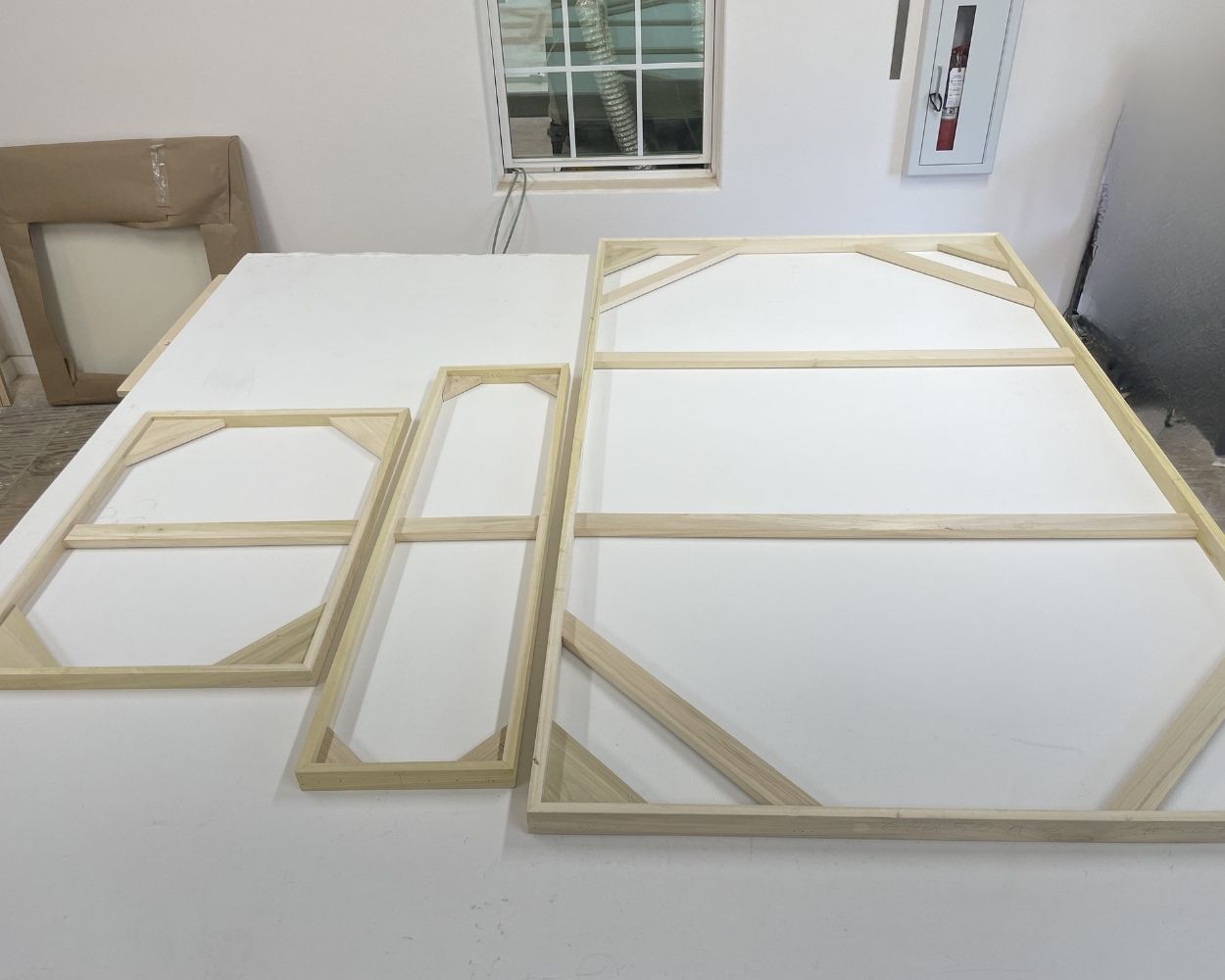
3. Match the Depth to Your Canvas Size
Larger canvases need appropriate structural support. As the dimensions increase, the stretcher bars must withstand greater tension from the stretched fabric.
For oversized paintings, consider heavier-duty stretcher bars and suitable cross-bracing rather than choosing depth based on appearance alone. A deeper profile can provide a stronger structure, but construction quality and support design matter too.
4. Think About Your Painting Technique
Your preferred technique can influence your choice. If you enjoy expressive brushwork, thick paint applications, or mixed-media details, a deeper canvas may offer more room to develop the sides as part of the composition.
For traditional portraits, detailed studies, or paintings intended for conventional framing, a standard profile may be all you need.
5. Check Your Space and Framing Options
Before ordering, consider where the finished artwork will hang. Deeper canvases project farther from the wall and may require compatible hanging hardware or a specially sized floater frame.
If you plan to use a frame, check its internal depth as well as its width and height. The canvas and frame need to work together for a clean fit.
Choose a Canvas Depth That Supports Your Vision
There isn’t one perfect canvas depth for every artist. Standard profiles offer simplicity, gallery depths provide a modern presentation, and extra-deep canvases create a more dramatic effect.
At CanvasLot, you can explore custom-sized painting canvases with different stretcher bar depths to suit your artwork and display preferences. Choose the dimensions and profile that give your next painting the right foundation.