What Type of Art Sells Fast
Every artist wonders at some point: What kind of art actually sells? Whether you’re trying to support your practice financially or just find an audience for your work, understanding what buyers tend to choose can help you make decisions without sacrificing your creative voice. Here’s a practical look at the types of art that tend to sell faster.
1. Prints and Accessible Pieces Lead in Volume
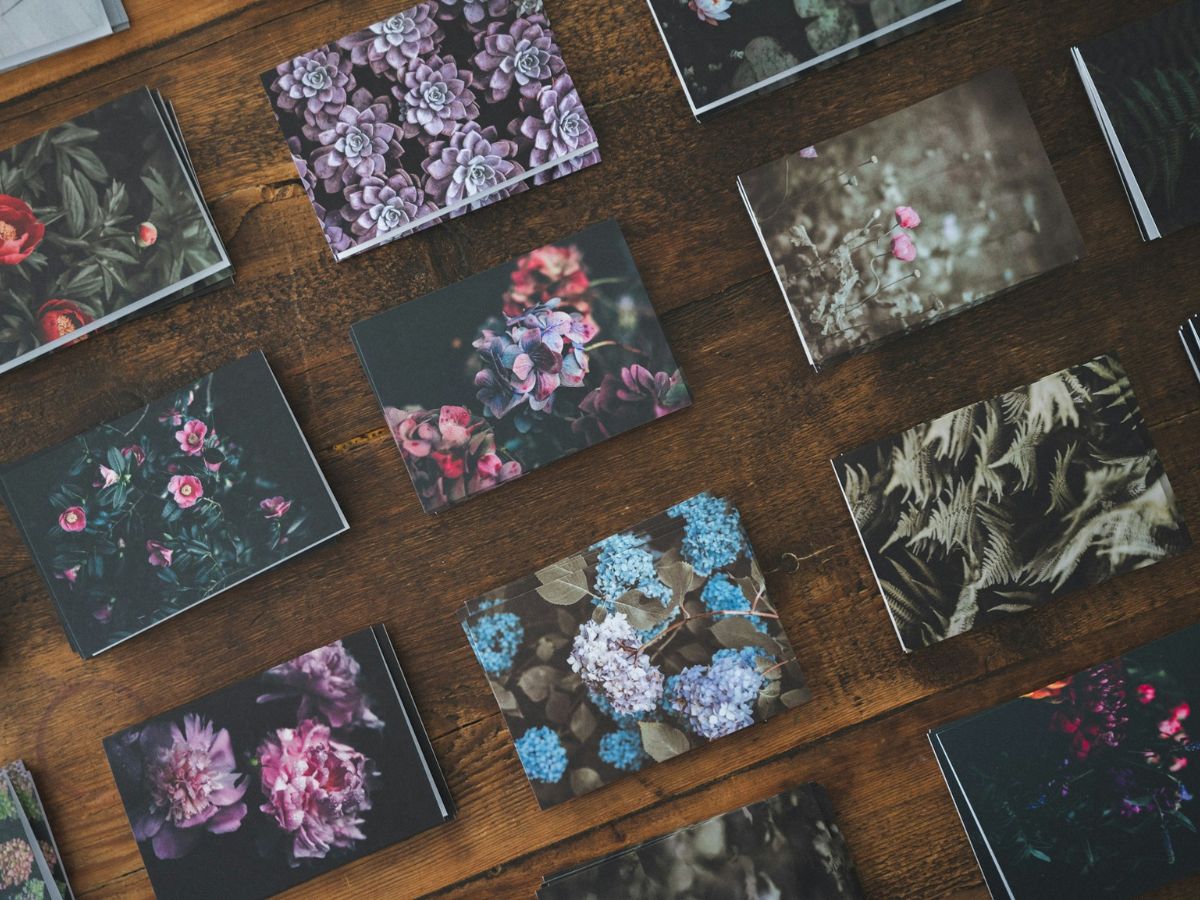
If volume is your goal, meaning regular sales rather than big prices, prints and affordable originals are often top performers. Online marketplaces show strong demand for smaller works like prints because they’re affordable, easy to ship, and look great in everyday spaces. Digital prints, giclée reproductions, and limited editions consistently show high popularity online, especially when priced in the accessible range.
Prints often sell faster than unique, expensive originals because they hit a “sweet spot” price point for new or casual art buyers. They also let you offer multiple sizes, which broadens your market for different budgets and spaces.
2. Contemporary and Mid-Priced Original Works
When it comes to original paintings, contemporary art created after 2000 continues to dominate sales both online and in galleries, according to the 2023 report from Artprice by Artmarket. It attracts a wide range of buyers, from new collectors to seasoned art lovers. Contemporary work often feels relevant to current tastes, and buyers are more comfortable investing in styles they connect with at first glance.
Keep in mind that pricing matters. According to the Art Newspaper, data shows that artworks priced under about $1,000 sell significantly faster than higher price brackets, with the strongest sell-through rates often between $300 and $800 for first-time buyers.
3. Subjects That Connect With Buyers
While trends shift, some subjects tend to resonate broadly with buyers, especially when presented well:
- Nature and landscapes: Evergreen favorites that appeal to home decorators and collectors alike. Scenes of forests, coastlines, skies, and natural forms have a calming, universal pull that makes them easy to live with.
- Botanicals and florals: These often attract buyers looking for gentle, uplifting imagery that works in a variety of interior styles.
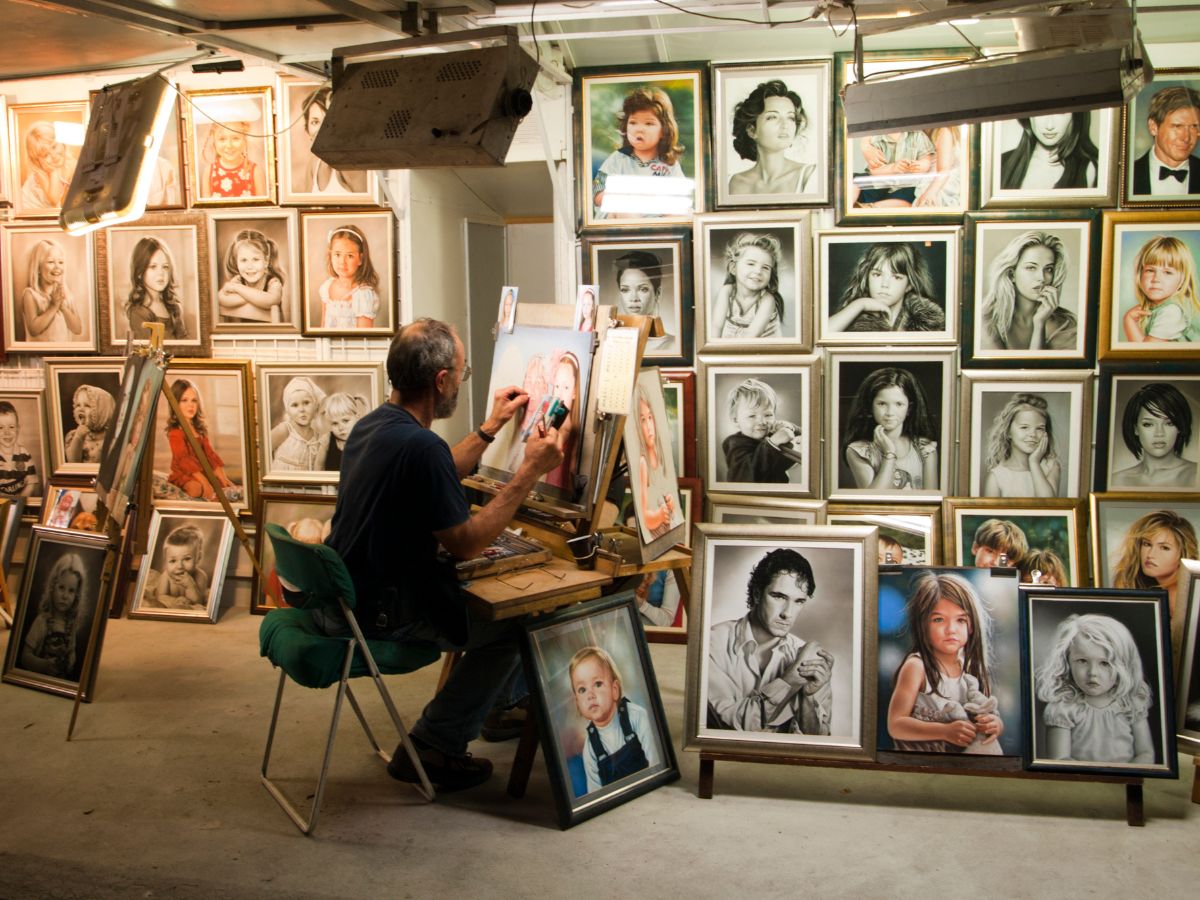
- Figurative art (especially expressive or stylized): At fairs and online galleries, figurative work balances emotional connection with visual impact. Buyers often appreciate recognizably human elements.
- Bold abstract and pop pieces: Works with vibrant colors, strong compositions, or nostalgic pop references can catch the eye quickly on screens and at shows, driving faster interest and sales.
Local tastes matter, too. In some markets, landscapes and wildlife may be best sellers. In others, edgy contemporary or urban art wins. Getting to know your audience is half the battle.
4. Format Matters: Small to Medium Sizes Sell Faster
Size has a surprising impact on sell-through speed. Mid-sized pieces (say, 12×12 to 24×24 inches) tend to sell faster than very large works, especially online, because they fit more easily into buyers’ homes and are simpler to ship.
Smaller works also let buyers build a collection incrementally, which can lead to repeat sales for you.
5. Tell a Story, Build a Series
Art that feels connected often sells better than unrelated one-offs. Galleries and buyers like series because they look cohesive and collectible. A consistent style or theme makes it easier for people to understand your voice and invest with confidence.
The art that sells fast usually combines accessibility (prints, affordable originals), strong visual appeal (nature, figurative, pop/abstract), and smart presentation (right size, clear story). Selling art isn’t just about following trends. It’s about building trust, showing consistency in your work, and connecting with your audience in a way that feels genuine to you.