What to Do When Art Gets Too Expensive to Create
Whether you’re a beginner experimenting with acrylics or a pro juggling gallery work, rising art supply costs can feel like a real creative barrier. Many contemporary artists have seen and felt that pinch but with a bit of planning and creativity, you can keep painting even when the budget tightens. Here’s how.
Understand the Reality: Materials Are Getting Pricier
The global art-supplies market continues to be driven by demand, but high-quality materials are becoming more expensive. According to 24 Market Reports, premium paints, archival papers, brushes made with real bristle, all these incur higher costs because of rising pigment prices, manufacturing costs, and supply-chain strains.
If you work regularly with art materials, that increase adds up fast but don’t let it stop you.
Smart Strategies to Keep Creating Without Overspending
1. Focus on Essentials, Skip the Extras
When money is tight, identify the materials you use most. Maybe it’s a few reliable paints, a couple of good brushes, a canvas. Prioritize those and put off buying non-essentials (extra colors, fancy varnishes, specialty tools) until later.
2. Buy Smart: Bulk, Discounts, and Deals
Buying in bulk can lower the cost per item. Keep an eye out for store sales, discount events, or clearance deals. Signing up for newsletters or following local art-supply stores can alert you to promotions.
3. Reuse, Recycle, Upcycle
You’d be surprised how much value remains in “old” supplies. Recycling old canvases (by applying a fresh coat of gesso), reworking unused parts of leftover paint, or reusing paper and sketchbooks—these small acts add up over time. Simple, everyday materials such as scrap cardboard, fabric remnants, even household objects can become valid experimental surfaces or mixed-media supports.
4. Share and Swap with Fellow Artists
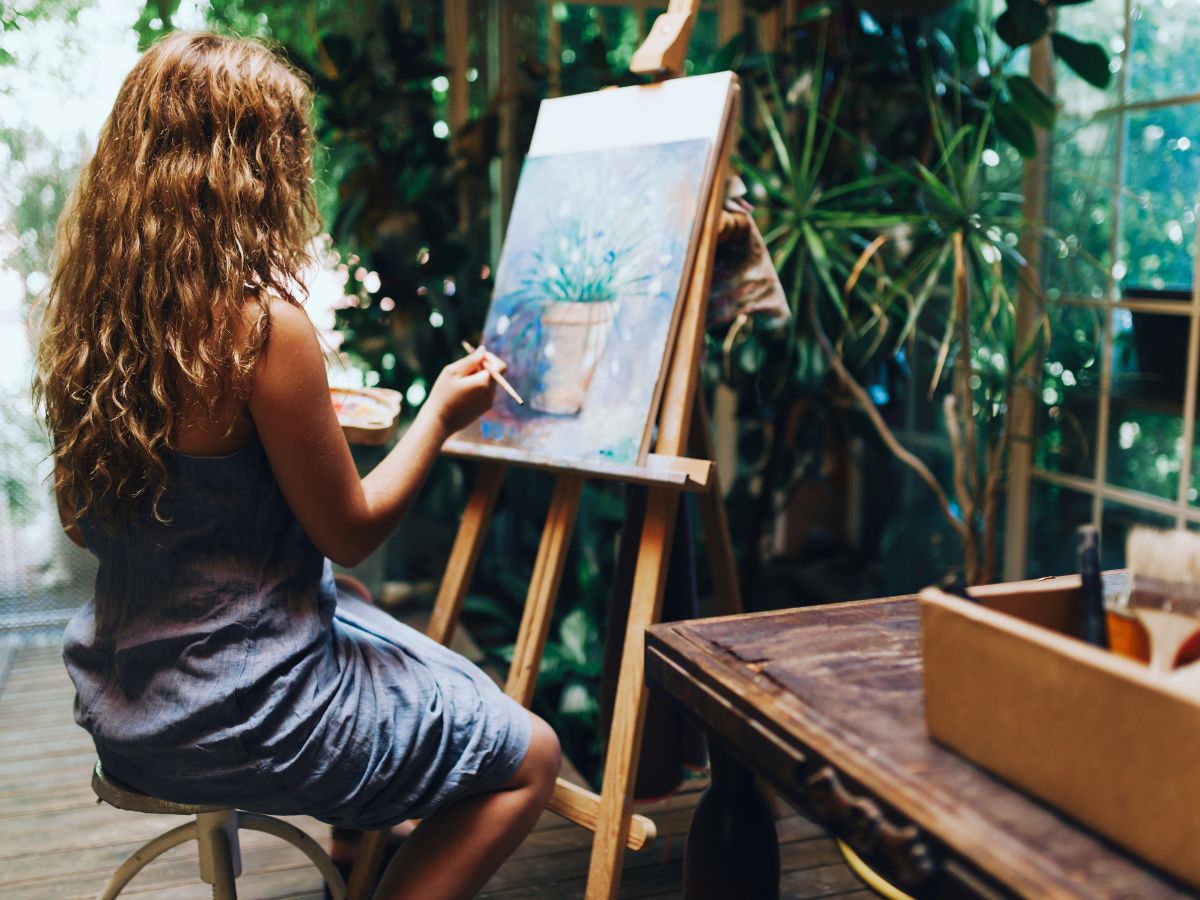
Local and online art communities often exchange supplies. Maybe someone has surplus tubes of paint, an extra canvas, or old brushes they no longer use. Swapping or pooling resources with other artists can reduce costs significantly, and help you build camaraderie.
5. Plan Wisely and Use What You Have
Make a simple budget plan for your next piece. Estimate the supplies needed, reuse what’s available, and resist impulse buys. This kind of discipline helps stretch every dollar and reduces waste.
Adjusting Mindset: It’s About Creativity, Not Consumption
When you accept that art doesn’t always need top-of-the-line materials, you can shift focus back to process: sketching, composition, light, form. Often, limitations breed creativity. Working with fewer colors, reusing old surfaces, or embracing a rougher texture can lead to unexpected styles, ones that feel personal and resourceful.
Also, remember that many great artists have thrived under constraints. A smaller budget can push you to prioritize what truly matters: your vision, your touch, your voice.
Rising costs don’t have to kill your art practice. Budget art isn’t about making do. It’s about making art meaningful.