
Canvas vs. Wood Panel: Which Should You Choose?
Choosing between canvas and wood panel is one of the first decisions you’ll make when starting a painting. Both are excellent surfaces, and each brings something different to the creative process. The right choice depends on how you paint, what materials you use, and the finish you’re trying to achieve.
Let’s compare the two so you can find the best fit for your next artwork.
What Makes Canvas a Good Choice?
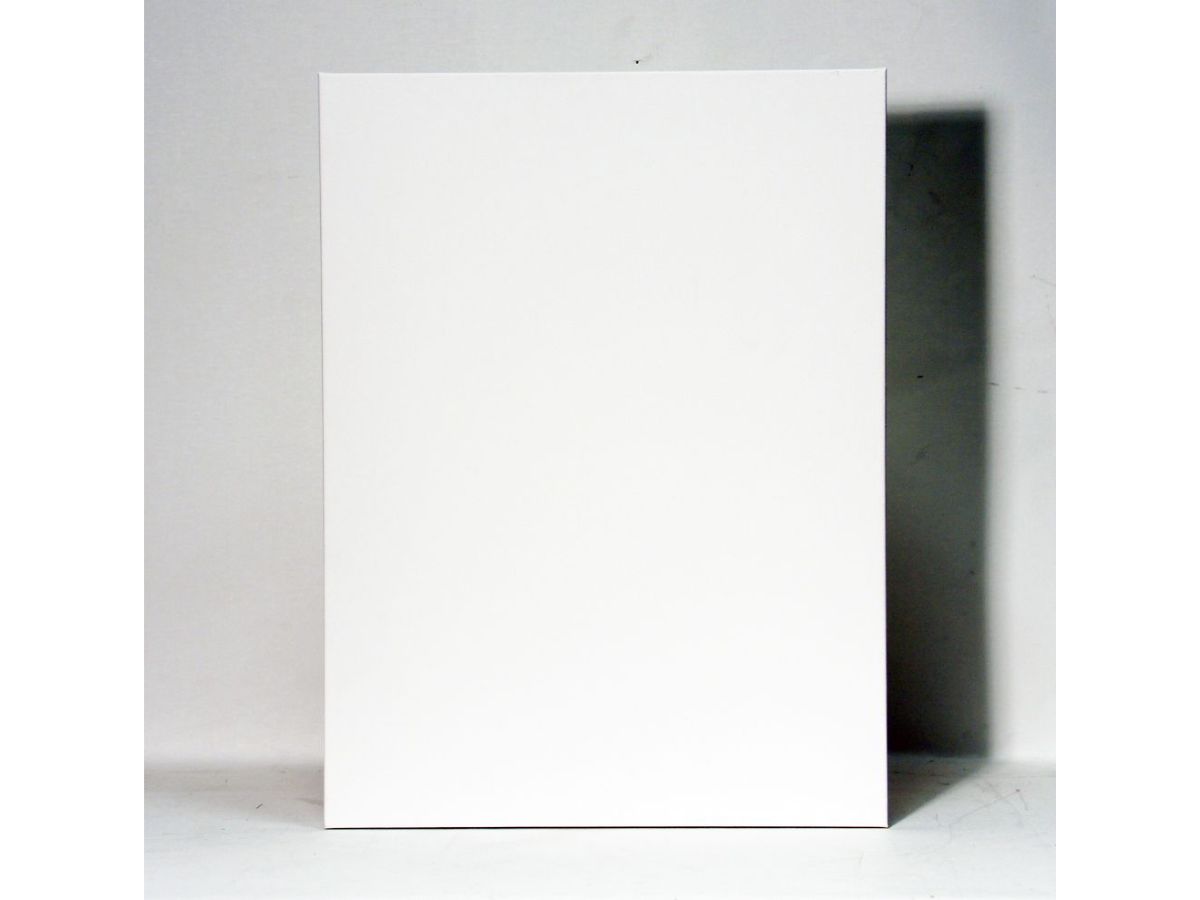
Canvas is a flexible fabric, commonly made from cotton or linen, stretched over a wooden frame. It’s a favorite among artists because it’s lightweight, versatile, and available in many sizes and textures.
One of its biggest advantages is its slight flexibility. The surface responds to brush pressure, creating a different feel from painting on a rigid board. Many artists enjoy this quality, especially when working with expressive brushstrokes, loose techniques, and large compositions.
Canvas is particularly popular for acrylic and oil painting. Its woven texture can also add character to a finished piece. If you’re planning a large painting, stretched canvas is often easier to transport and handle than a solid wood panel of comparable size.
Canvas is a great option for:
- Landscapes, portraits, and abstract paintings
- Large-scale and gallery-wrapped artwork
- Expressive brushwork and textured applications
- Artists who prefer a traditional painting surface
Why Choose a Wood Panel?
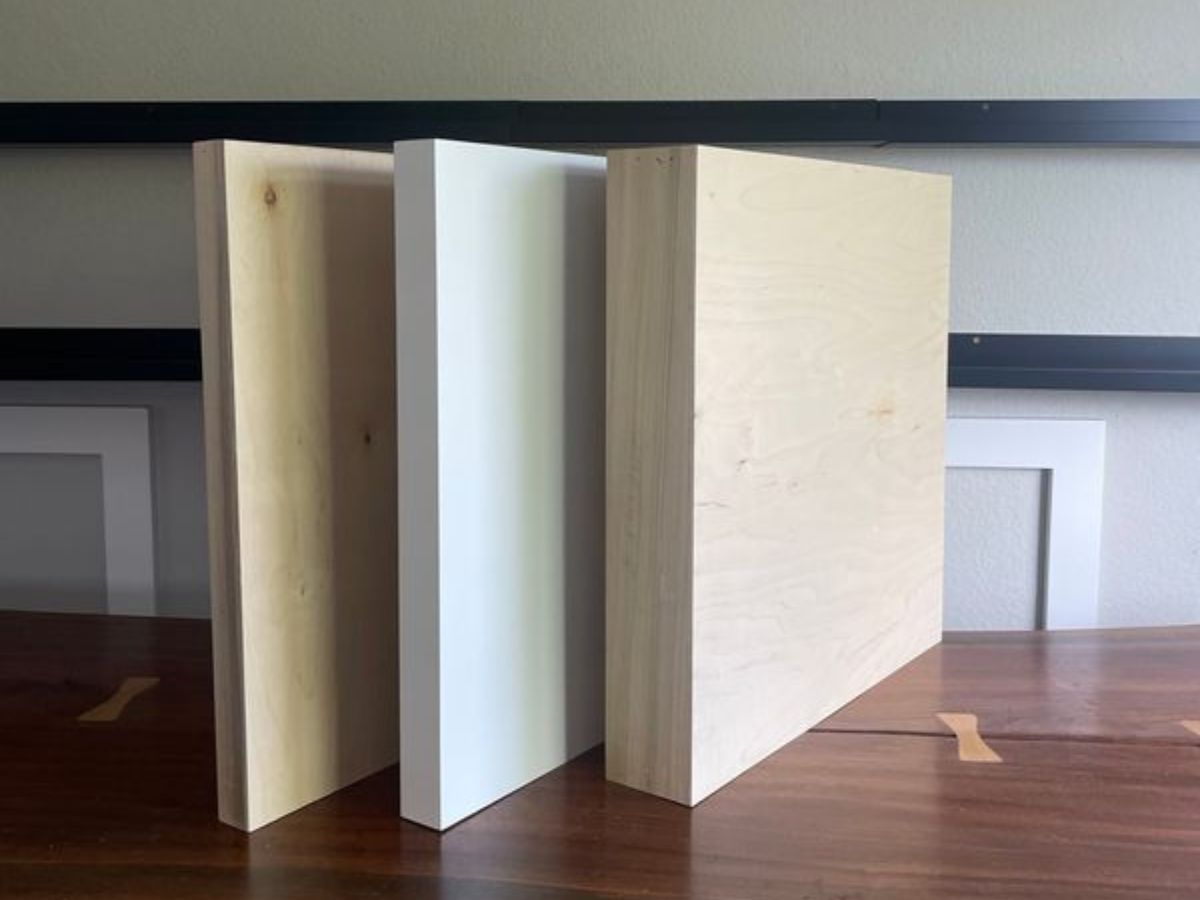
Wood panels offer something canvas can’t: a firm, stable painting surface. Unlike stretched fabric, a properly constructed panel doesn’t flex under brush pressure.
This makes wood panels especially appealing to artists who enjoy fine details, precise lines, smooth finishes, and controlled brushwork. The rigid surface also works well for techniques that involve scraping, layering, or applying heavier materials.
Birch wood panels are a popular choice because they provide a solid foundation for painting. Depending on the preparation, artists can work on a smooth surface or build up texture with additional ground layers.
Wood panels are suitable for:
- Detailed paintings and realistic artwork
- Acrylic and oil painting
- Mixed-media techniques and layered applications
- Artists who prefer a firm, rigid surface
Keep in mind that wood responds to changes in humidity. Proper construction, preparation, and storage are important to help reduce the risk of warping or cracking over time.
Which One Should You Choose?
If you enjoy expressive painting, textured brushwork, and large compositions, canvas may be your ideal choice. If you prefer precision, detailed work, or a firm surface for mixed media, wood panels are worth considering.
You can also experiment with both. Many contemporary artists switch between surfaces depending on the project.
At CanvasLot, you can explore custom-sized painting canvases and wood panels to find a surface that suits your technique and creative vision. Don’t let standard sizes limit your ideas. Choose the painting surface that works best for your art.