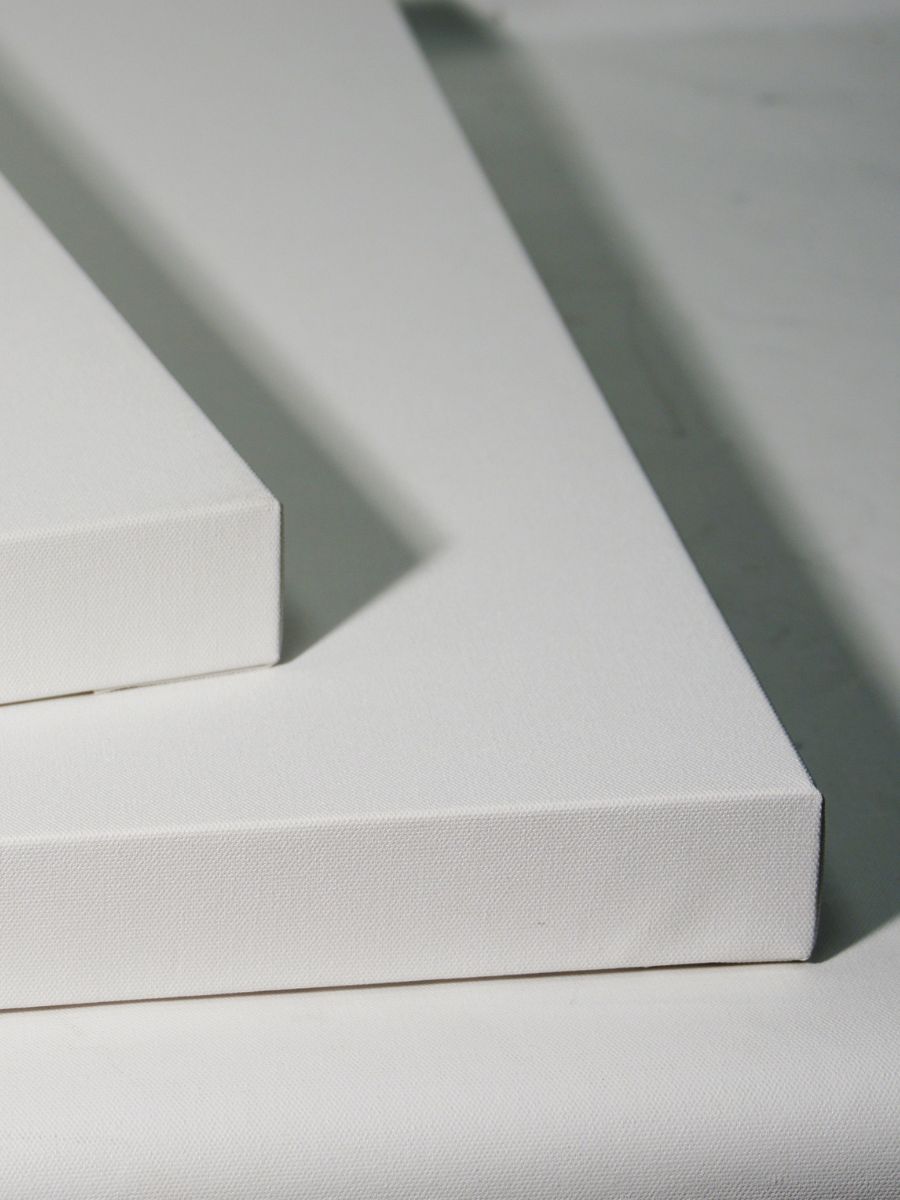
Behind the Scenes: A Look at Canvas Construction at CanvasLot
Ever wondered what goes into making a quality painting canvas? As artists, we spend plenty of time choosing colors, planning compositions, and developing techniques. But how often do we think about the surface underneath all that creativity?
A good canvas is more than a piece of fabric stretched over a frame. It needs the right tension, reliable support, proper preparation, and careful construction. At CanvasLot, these details are part of the process of creating painting surfaces that artists can use with confidence.
Let’s take a closer look at what goes into building a CanvasLot stretched canvas.
1. Starting With Professional-Grade Cotton Canvas
The fabric is where everything begins. CanvasLot uses 100% cotton canvas weighing 11.5 ounces, with a medium texture. This provides a versatile surface for artists who enjoy working with different painting styles and techniques.
Cotton canvas is popular because it offers a familiar woven texture and works well with various painting approaches. CanvasLot’s canvas is also double-primed with acid-free acrylic gesso, helping create a paint-ready surface for acrylics and oils, as well as pastels and watercolor.
For artists, this means less preparation before getting started and more time to focus on the actual painting.
2. Building a Strong Wooden Frame
A canvas is only as dependable as the structure supporting it. That’s why the stretcher frame matters.
CanvasLot builds its canvases using heavy-duty solid wood stretcher bars. The frames are designed with strong corner support to provide a sturdy foundation for the stretched fabric.
Artists can also choose different stretcher bar depths depending on their preferred presentation. Whether you like a traditional profile or a deeper gallery-style canvas, having options makes it easier to match the surface to your artwork.
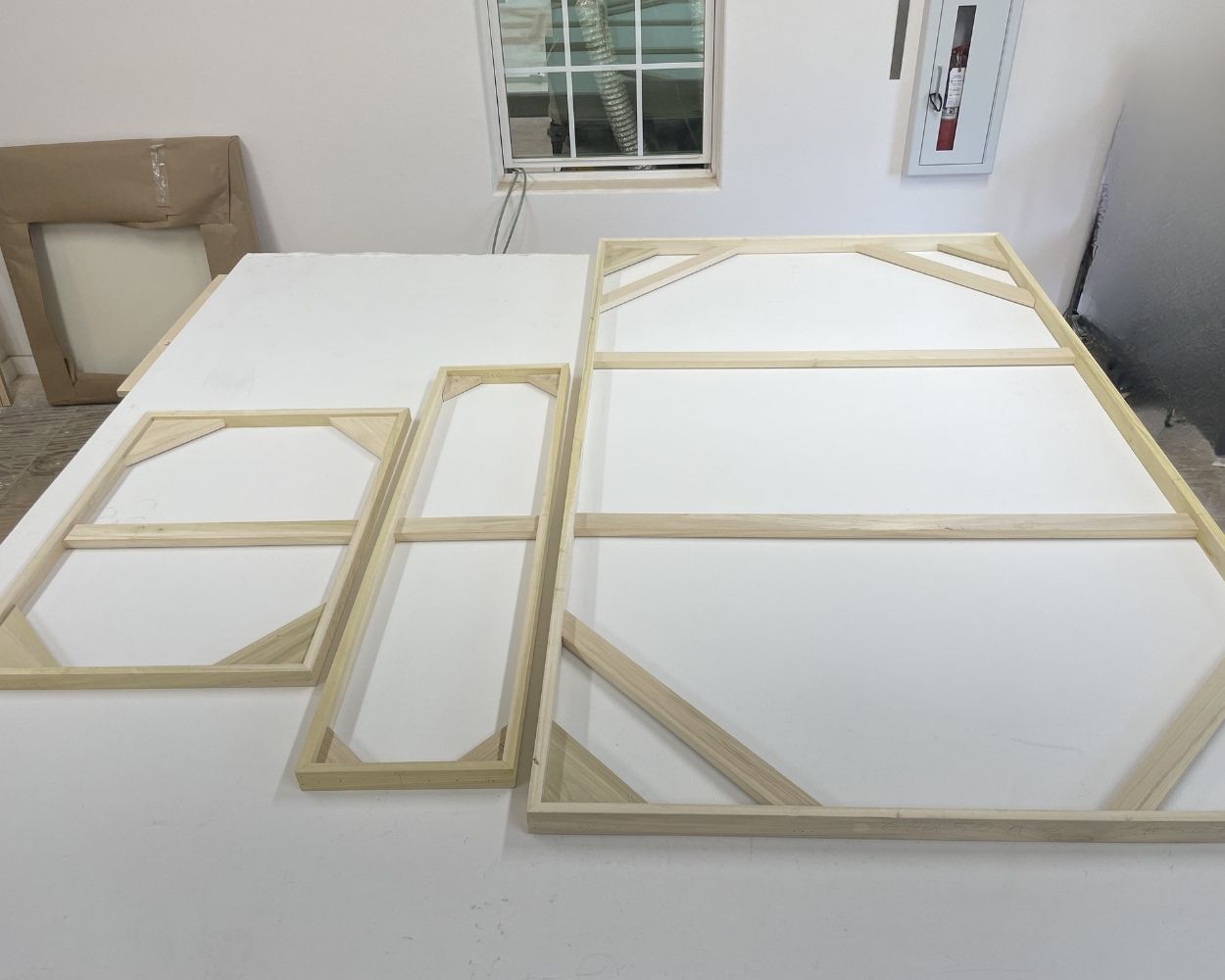
3. Hand-Stretching for a Taut Painting Surface
Once the frame is ready, the canvas is stretched by hand and secured to the back of the frame.
Proper tension is important. A canvas that’s too loose can feel unstable when you’re painting, while consistent stretching helps create a dependable working surface.
CanvasLot also uses back-stapling, which keeps the staples out of sight along the front and sides. The result is a clean gallery-wrapped appearance that can be displayed without an additional frame.
4. Preparing the Canvas for Painting
Before a canvas reaches an artist’s studio, surface preparation is essential.
CanvasLot’s double-primed cotton canvas comes coated with acid-free acrylic gesso. This preparation provides a suitable ground for painting and helps reduce direct contact between paint and the fabric.
The finished surface is designed to accommodate different artistic applications, including acrylic and oil painting.
5. Protecting the Canvas During Delivery
Canvas construction doesn’t end when the frame is complete. Getting a large or custom-sized canvas safely to an artist is another important part of the process.
CanvasLot packages its canvases in a reusable, heavy-duty hardwood shipping case reinforced with double-wall cardboard. This protective packaging helps keep the canvas secure during transportation.

Built Around the Artist’s Vision
What makes CanvasLot particularly useful is its customization. Artists can select their preferred width, height, and stretcher bar depth to suit their projects.
From small studies to oversized contemporary paintings, the goal is simple: provide a reliable painting surface that gives artists room to create.
Explore custom-sized painting canvases at CanvasLot.com and find the dimensions that work for your next project.