What Is a Gallery-Wrapped Canvas?
If you’ve ever shopped for a painting canvas, you’ve probably come across the term gallery-wrapped. But what does it actually mean, and why do so many contemporary artists prefer it?
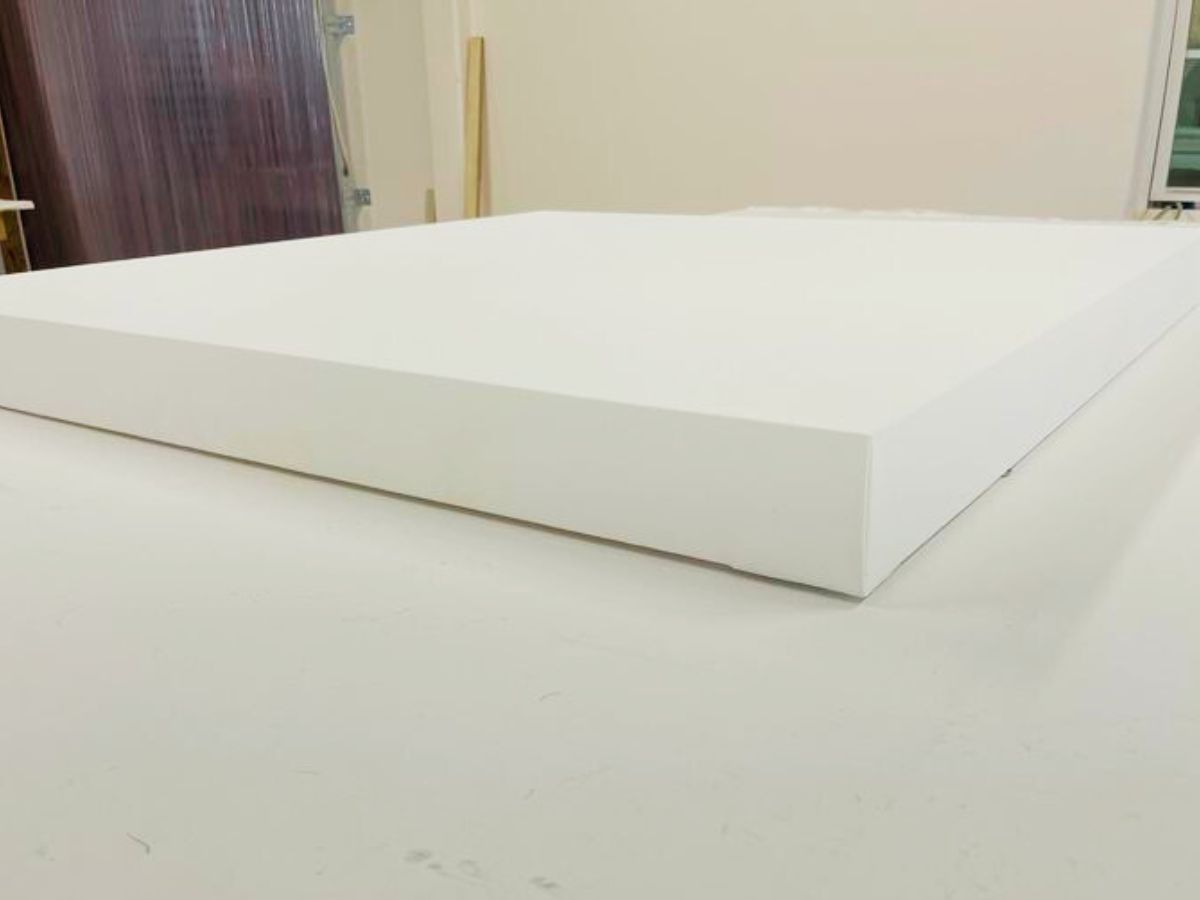
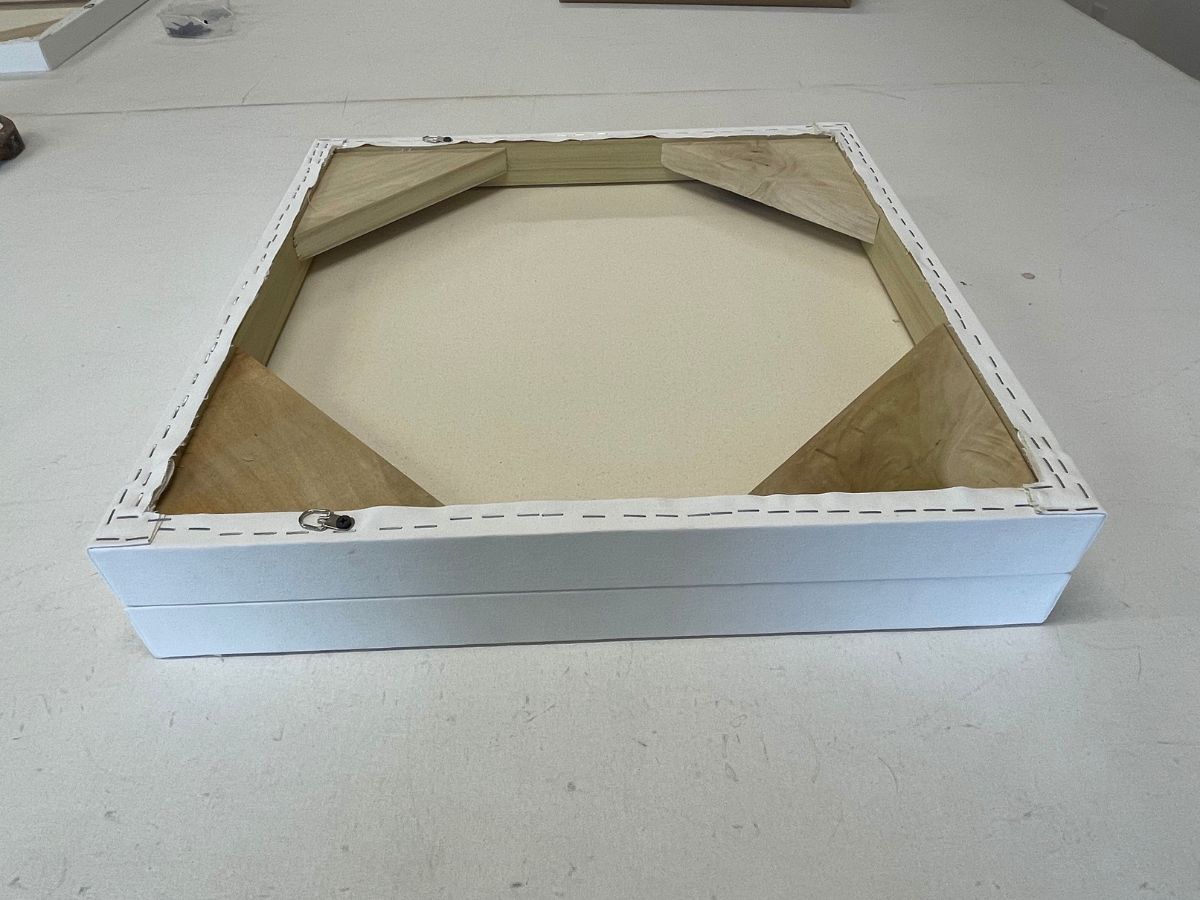
A gallery-wrapped canvas is stretched around the sides of a wooden stretcher frame and secured at the back rather than stapled along the sides. This creates a clean, finished appearance without visible staples on the edges. The result is a canvas that can be displayed without a traditional outer frame.
Unlike a standard studio canvas, which often has a thinner profile and visible side staples, a gallery-wrapped canvas typically has deeper stretcher bars. This gives the artwork more visual presence when displayed on a wall.
What Makes It Different from a Traditional Canvas?
The biggest difference is how the canvas is stretched and finished.
With a traditional stretched canvas, the fabric is commonly attached along the sides of the wooden frame. The staples or tacks may be visible, so artists often use an external frame to cover the edges.
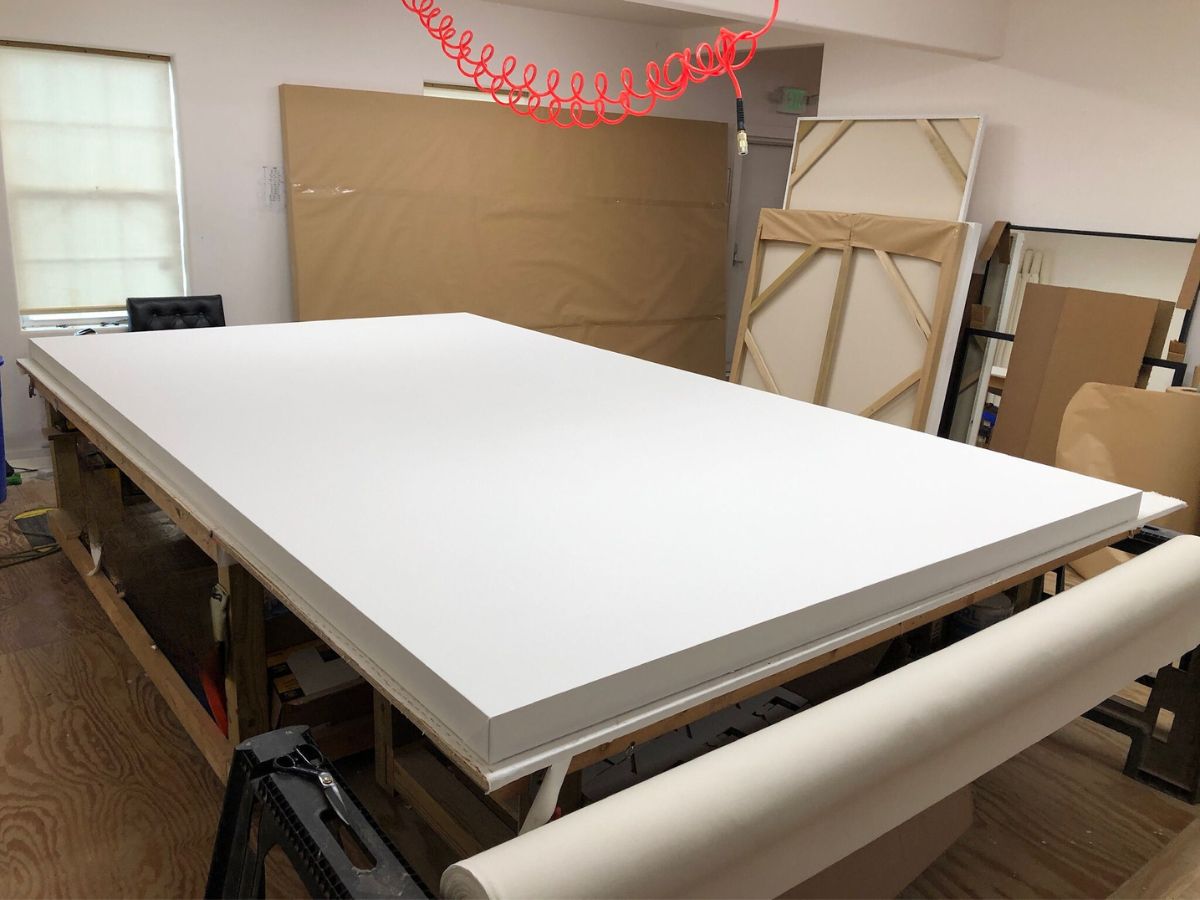
A gallery-wrapped canvas has fabric folded around the stretcher bars and fastened at the back. Its sides look neat and intentional, making it suitable for frameless display. The deeper profile can also create a subtle shadow along the wall, adding dimension to the finished piece.
One important detail: gallery wrap describes the way the canvas is stretched, not necessarily what appears on its sides. Artists can paint the edges in a solid color, continue the composition around them, or leave a prepared surface visible if that suits the presentation. Some printing services use the term specifically for artwork that extends around the sides.
Why Do Artists Choose Gallery-Wrapped Canvas?
- It offers a clean, contemporary look. The absence of visible side staples creates a polished appearance that works particularly well with modern and minimalist interiors.
- It can be displayed without an external frame. This saves the additional expense of traditional framing and lets the canvas itself become part of the presentation.
- It gives artists more creative freedom. Painting the sides can extend the composition beyond the front surface. Alternatively, contrasting or coordinating edge colors can create a deliberate visual finish.
- It adds dimension to the artwork. A deeper canvas profile makes the painting stand away from the wall, giving it a more substantial presence.
Tips for Painting on a Gallery-Wrapped Canvas
Before you start, decide how you want the edges to look. If you plan to continue the image around the sides, keep important subjects, lettering, and focal details away from the edges so they don’t disappear from the front view.
Also, consider the canvas depth, material, and support structure. Choose a sturdy stretcher frame appropriate for the size and weight of your work. If you’re preparing a piece for an exhibition, check the gallery’s display requirements first. Not every exhibition accepts unframed canvas.
Is Gallery Wrap Right for Your Next Painting?
Whether you’re creating an abstract composition, a landscape, or a large statement piece, a gallery-wrapped canvas offers a versatile presentation. It gives your artwork a finished look while allowing you to make creative decisions about every visible edge.
For artists who want a clean, contemporary display without a traditional frame, it’s an excellent option worth considering.