How to Choose the Right Canvas for Oil Painting
Choosing a canvas for oil painting seems simple until you’re standing in front of a wall full of options.
Cotton, linen, primed, unprimed, smooth, rough. It’s easy to overthink it. The good news is you don’t need the “perfect” canvas. You just need one that supports how you paint.
Here’s how to make a solid choice without getting stuck.
1. Start with the material: cotton vs linen
Most canvases are either cotton or linen.
Cotton is more affordable and widely available. It’s a good starting point for most painters, especially if you’re working through ideas or producing regularly. The surface is slightly softer and more flexible.
Linen is stronger and more durable. It also has a tighter, more consistent weave. Many professional painters prefer it for finished work because it holds up better over time and feels more stable under the brush.
If you’re unsure, start with cotton. Move to linen when you want more control or longevity.
2. Pay attention to the surface texture
Canvas comes in different textures, often called “tooth.” A rough surface grabs more paint and creates visible brush texture. This works well for loose, expressive painting.
A smooth surface allows for finer detail and cleaner edges. Portrait painters and those working in realism often prefer this.
There’s no right choice here. It depends on how you want your paint to behave. If your brush feels like it’s dragging too much, the surface may be too rough. If it feels too slick, it may be too smooth.
3. Check the priming
For oil painting, priming matters.
Most ready-made canvases are pre-primed with acrylic gesso, which is generally suitable for oils. It creates a barrier between the paint and the fabric. Some painters still add an extra layer of gesso or an oil ground to adjust the surface. A smoother ground can make a big difference if you’re after detail.
If you’re working on raw canvas, you’ll need to size and prime it yourself. Skipping this step can lead to long-term damage, as oil can weaken the fibers over time.
4. Consider canvas vs panel
Canvas isn’t your only option.
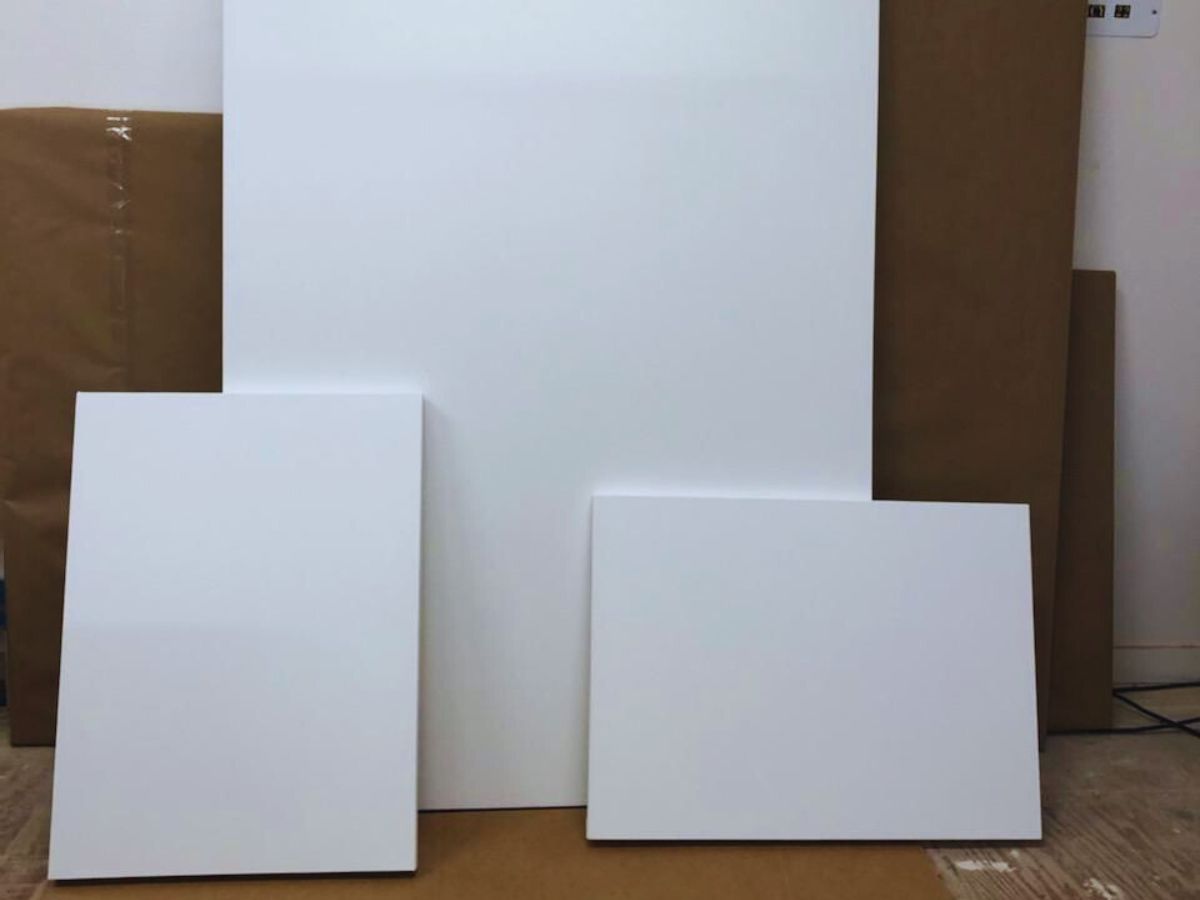
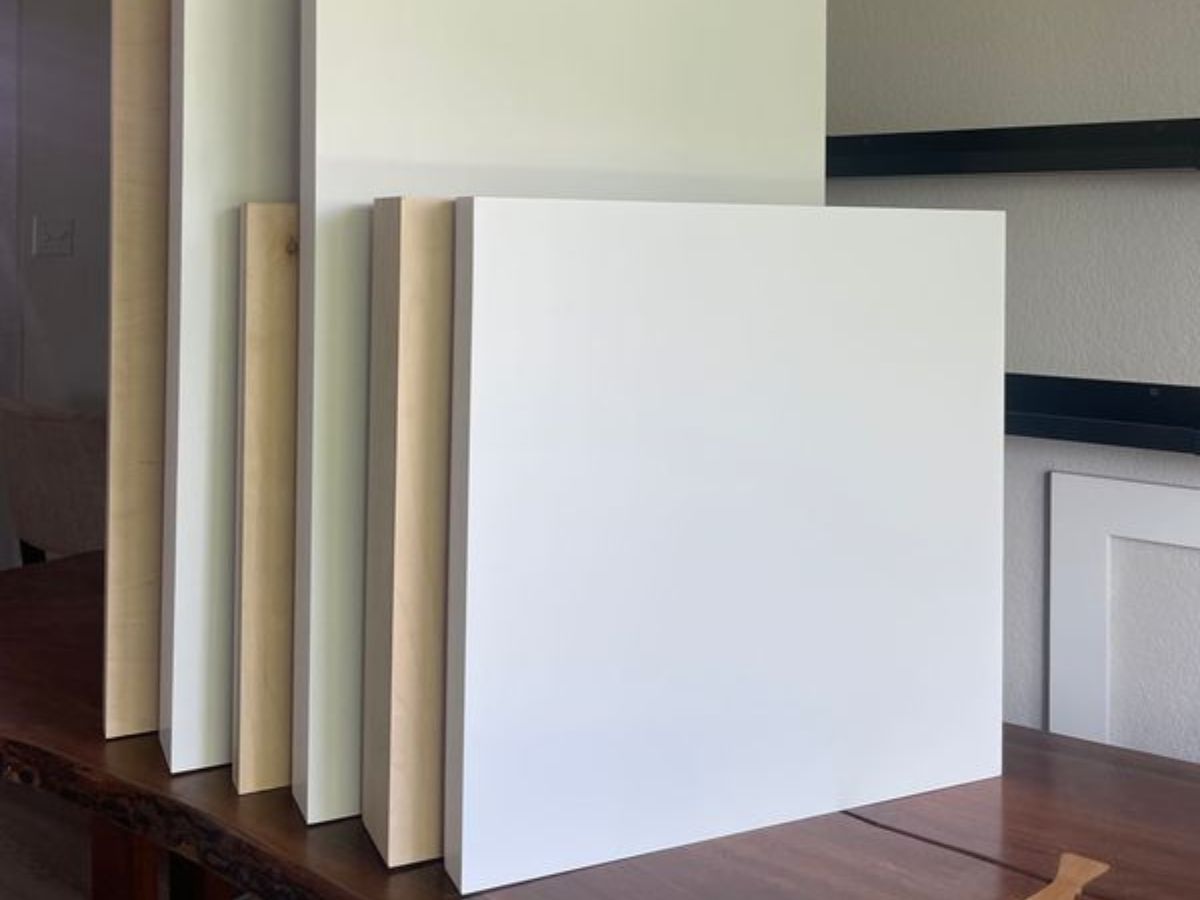
Wood panels are becoming more common, especially in contemporary practice. They offer a rigid surface, which is ideal for detailed work or heavier paint application. No bounce, no flex. What you put down stays exactly where it is.
Many artists now use a mix: canvas for larger, looser work and panels for smaller, tighter pieces.
5. Think about scale and support
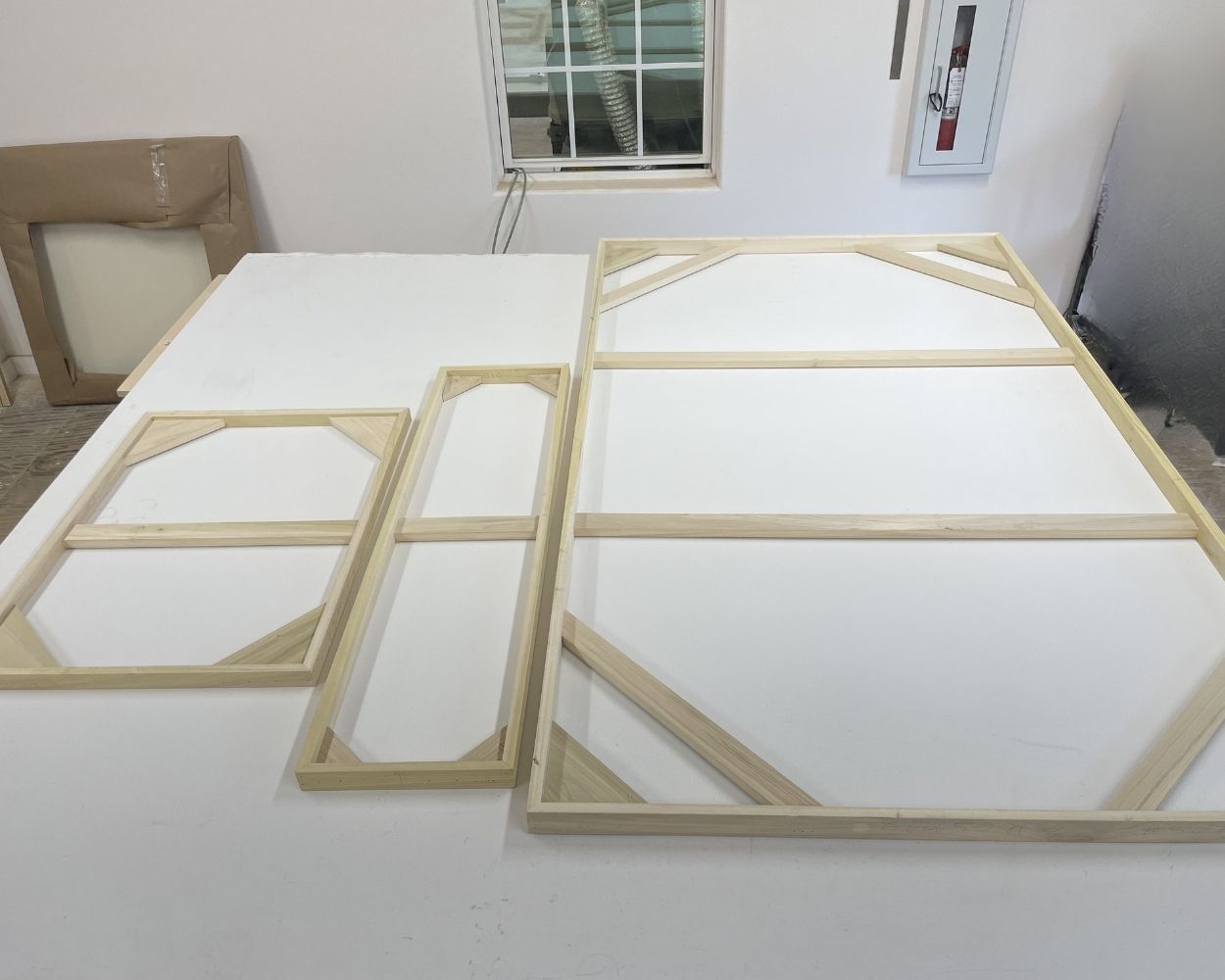
Larger canvases need stronger support. Cheap stretchers can warp over time, especially with heavier paint layers. If you’re working big, look for canvases with cross braces or thicker frames. For smaller works, this matters less. You can afford to be more flexible with your choice.
6. Don’t chase “professional” labels
Higher price doesn’t always mean better for your process. Some “professional” canvases are great, but if they don’t suit how you paint, they won’t help. A mid-range canvas that feels right under your brush is more useful than an expensive one that fights you.
Test a few. Pay attention to how they respond.
The right canvas doesn’t make the painting for you, but it does make the process smoother. Choose a surface that supports your hand, your pace, and your way of building a painting. If it feels right while you’re working, you’re probably on the right track.