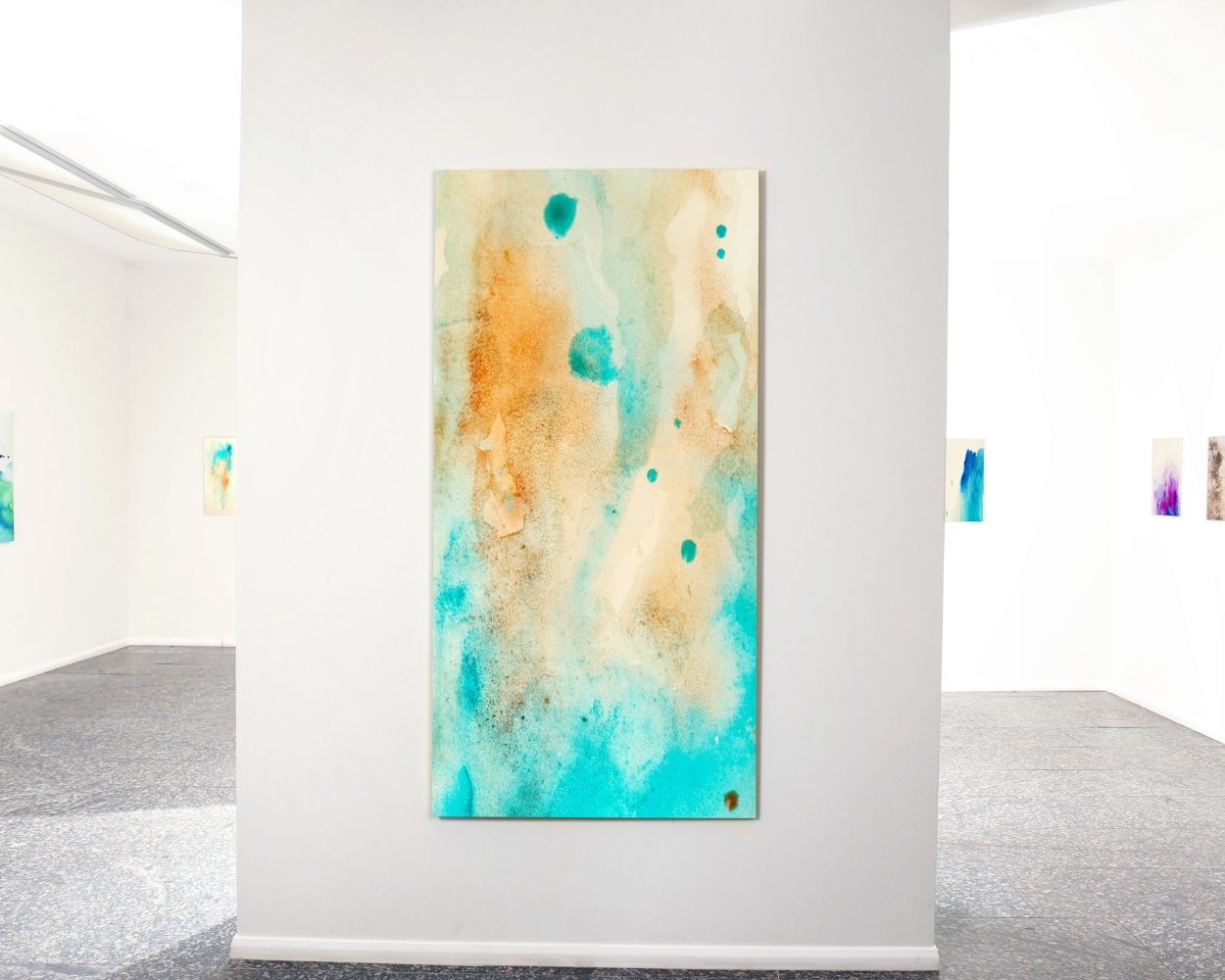
8 Tips to Give Your Next Painting More Room to Grow
Every painting starts with an idea. Sometimes it’s a quick sketch, a color combination, or an image that stays in your mind. But what happens when that idea starts developing into something bigger? Instead of sticking to your original plan, give yourself permission to explore.
Growing as an artist isn’t always about mastering another technique. It’s also about taking creative risks, experimenting with materials, and allowing your ideas to evolve. Here are seven ways to give your next painting more room to grow.
1. Start with an Idea, Not a Fixed Outcome
Before picking up your brushes, think about what interests you. It could be a memory, a landscape, an emotion, or an everyday object. Make a few sketches and explore different ways to interpret the subject.
Don’t worry about getting everything right immediately. Preliminary drawings and visual notes help you discover possibilities before committing to a final composition.
2. Experiment with Different Canvas Sizes
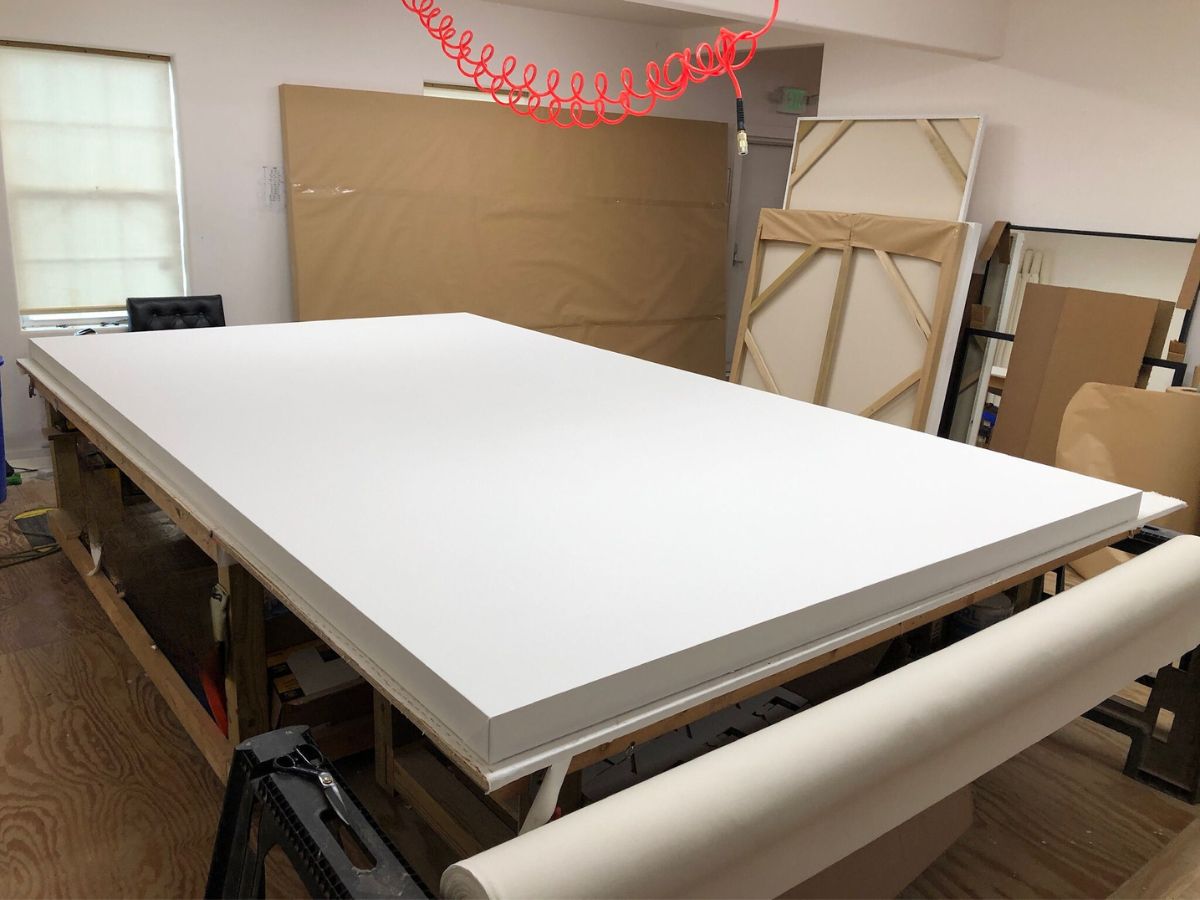
Working on the same canvas size can become predictable. Try something larger, smaller, wider, or taller than what you normally use.
A larger canvas gives you room for expressive brushwork, expansive compositions, and dramatic details. A smaller surface can encourage you to simplify and focus. Changing the scale can influence how viewers experience your artwork, too.
3. Give Your Composition More Breathing Space
Sometimes a painting feels crowded because every available area is filled with detail. The Museum of Fine Arts, Houston suggests experimenting with negative space–the areas surrounding your main subject.
Leaving portions of the canvas less busy can make important shapes and colors stand out. It can also create a sense of calm, balance, or tension, depending on your intention.

4. Explore Materials Beyond Your Comfort Zone
If you usually paint with acrylics, experiment with mixed media or palette knives. If oils are your preferred medium, try a different brush, ground, or painting technique.
You don’t need to change everything at once. Introduce one new material or process and see how it affects your results. Experimentation can reveal interesting textures and unexpected creative directions.
5. Look at Your Subject from a Different Perspective
Try changing your viewpoint. Paint a familiar object from above, below, or an unusual angle. Exaggerate its proportions, simplify its shapes, or experiment with unexpected colors.
A fresh perspective can turn an ordinary subject into something visually exciting. It also challenges you to move beyond simply reproducing what you see.
6. Let the Painting Evolve
Your first idea doesn’t have to dictate the final result. As you work, step back, assess the composition, and make adjustments. Add, remove, or rearrange elements when necessary.
Some of the most interesting discoveries happen when artists respond to unexpected marks and accidents rather than trying to control every detail.
7. Make Time to Reflect and Experiment Again
When your painting is finished, take a moment to evaluate it. What worked? What would you change? Which techniques would you like to explore further?
Keep photographs, sketches, and notes about your process. These records can help you recognize patterns in your work and develop ideas for future projects.
8. Give Your Creativity Room to Grow
Every painting is an opportunity to learn something new. Challenge familiar habits, explore different surfaces, and allow your ideas to develop beyond the first sketch.
Most importantly, don’t be afraid to experiment. Your next favorite painting might come from an idea you never expected to pursue.