
What Type of Paint Is Best for Canvas?
Canvas has been a favorite painting surface for centuries, and for good reason. It’s lightweight, durable, and holds paint well when properly primed. But one question comes up again and again in studios and classrooms: what type of paint actually works best on canvas?
The short answer is that several types work well. The real choice depends on how you like to paint and what kind of results you want.
Let’s start with the most widely used option today: acrylic.
Acrylic paint is often the first recommendation for beginners and professionals alike. It dries quickly, cleans up with water, and works on almost any properly primed canvas. Modern acrylic formulas have improved a lot in recent years. Many brands now offer high pigment loads, smoother textures, and better lightfastness than earlier versions.
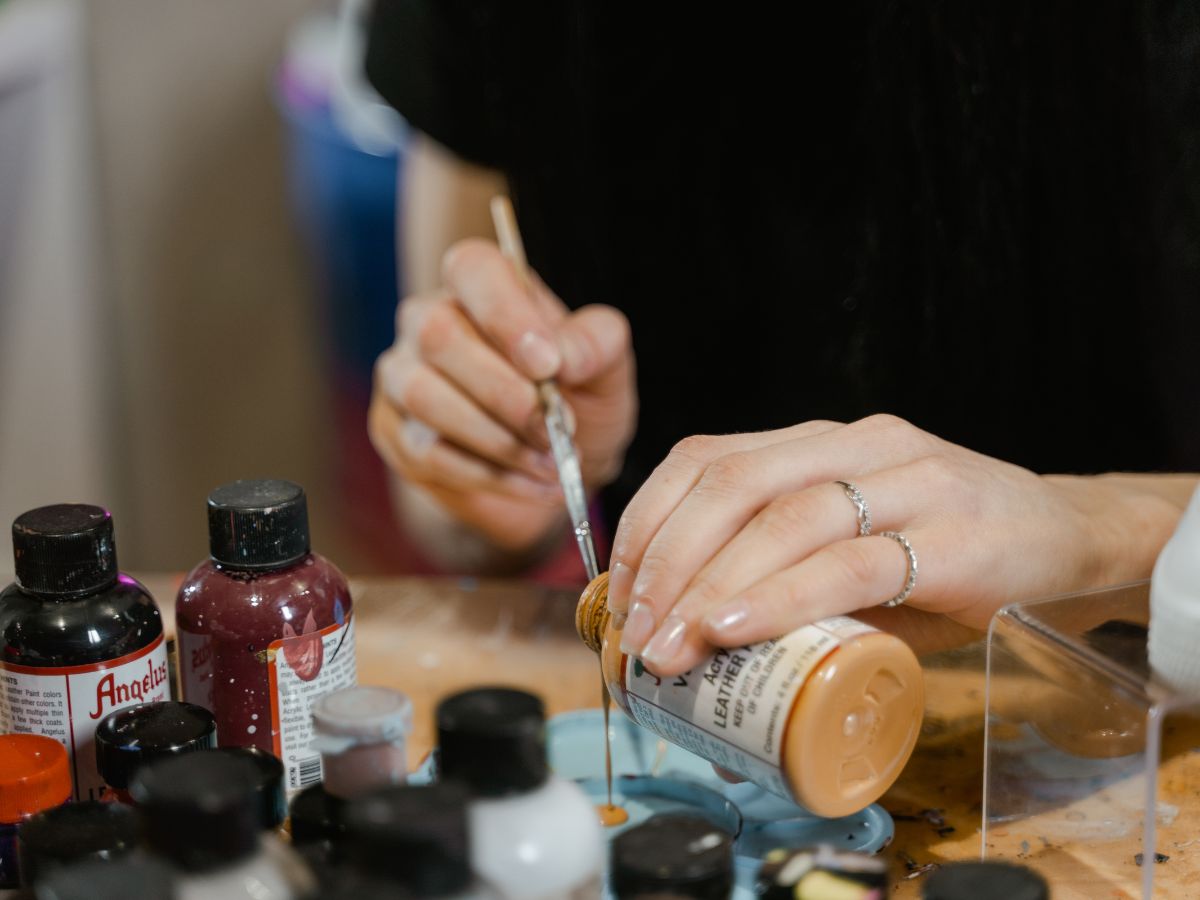
Because acrylic dries fast, it’s great for artists who work in layers or want to finish pieces quickly. You can build textures, add glazes, or paint over mistakes within minutes. The downside is that blending can be tricky if you’re used to slower mediums. Some painters solve this with slow-drying mediums or by misting the palette with water.
Now let’s talk about oil paint.
Oil paint is the traditional choice for canvas and still widely used by professional painters. It dries slowly, which gives you time to blend colors and adjust edges. That slow drying time is why oil paintings often have those smooth transitions and rich color depth.
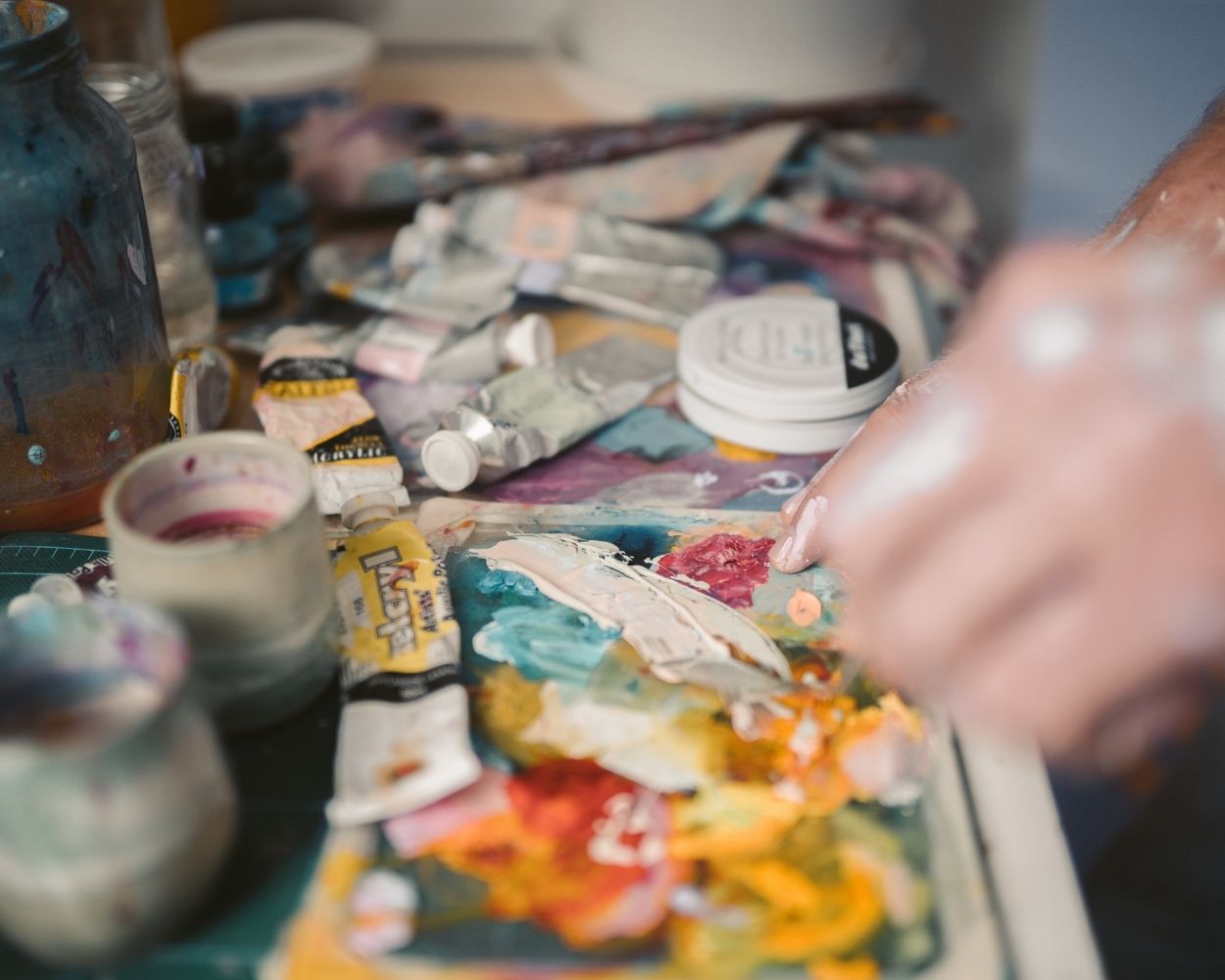
Oil also forms a strong, flexible paint film, which helps paintings last for generations when done properly. But oil requires a bit more patience. You’ll need solvents or oil mediums, good ventilation, and an understanding of basic layering rules like “fat over lean” to prevent cracking over time.
Another option some artists explore is alkyd paint.
Alkyd oils are basically fast-drying oil paints. They behave similarly to traditional oils but dry much faster, often within a day. This can be useful for painters who like the feel of oil but don’t want to wait days between layers.
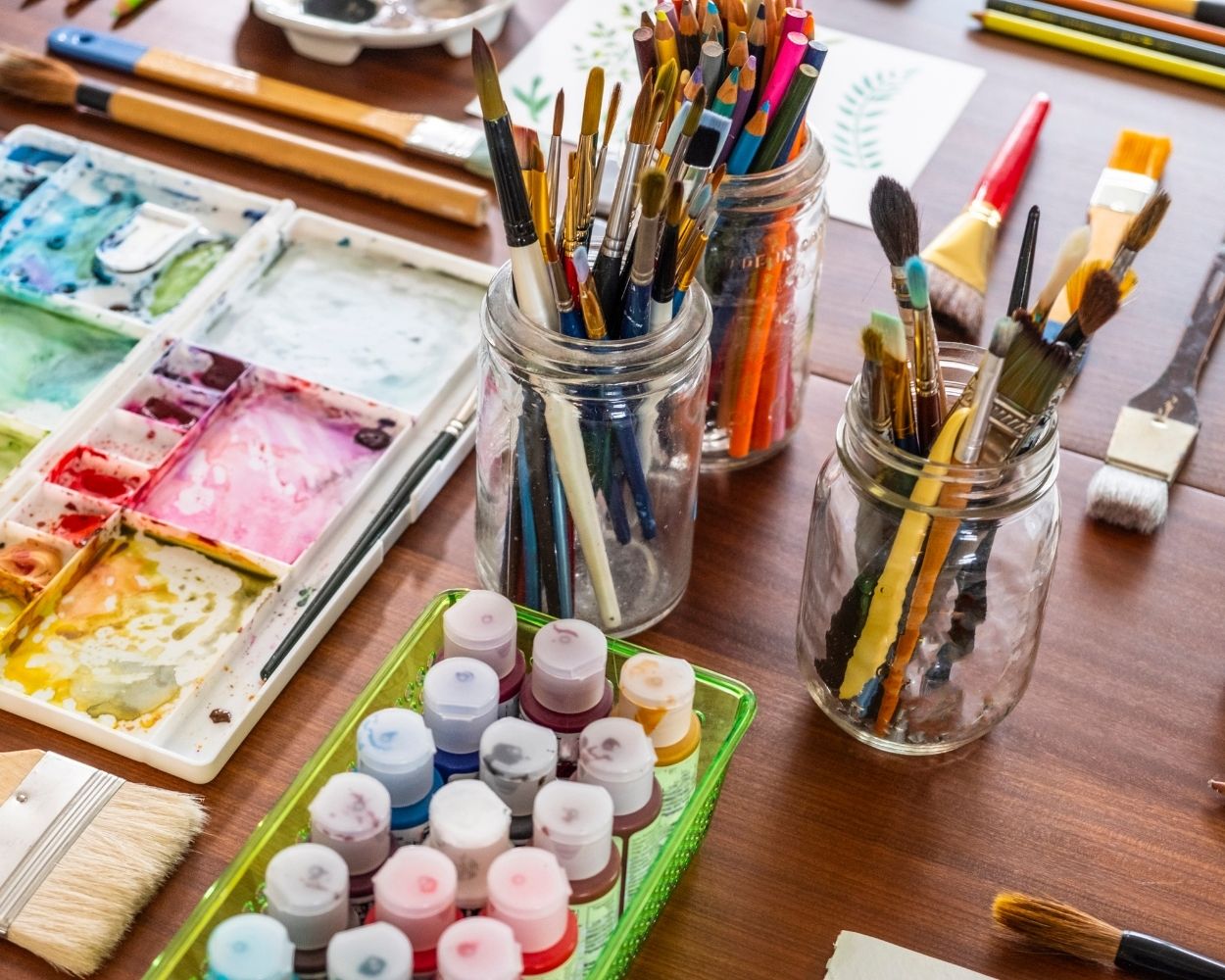
Gouache and watercolor are less common on canvas, but they can work if the surface is prepared correctly. Special watercolor grounds allow these paints to sit on canvas rather than soak in. Still, most artists prefer paper for these mediums because the texture and absorbency suit them better.
One thing that matters just as much as the paint itself is the canvas preparation. Most store-bought canvases come pre-primed with acrylic gesso. This creates a slightly textured surface that helps paint adhere properly. If you’re stretching your own canvas, applying two or three coats of gesso will give you a reliable painting surface.
So what’s the best paint for canvas?
For versatility and convenience, acrylic is hard to beat. For depth, blending, and tradition, oil remains a top choice. Alkyd oils sit somewhere in between.
In the end, the best paint is the one that matches how you like to work. Try different mediums, experiment with surfaces, and pay attention to how the brush feels. That hands-on experience will tell you more than any rule ever could.