
How a Prepared Canvas Can Improve Your Painting
If you’ve ever wondered why so many painters talk about preparing their canvas before laying down color, you’re in the right place. Taking the time to prime and prepare your canvas pays off in ways that go far beyond neatness. It changes how your paints behave, how your colors look, and how your finished work feels.
What Does Preparing a Canvas Really Mean?
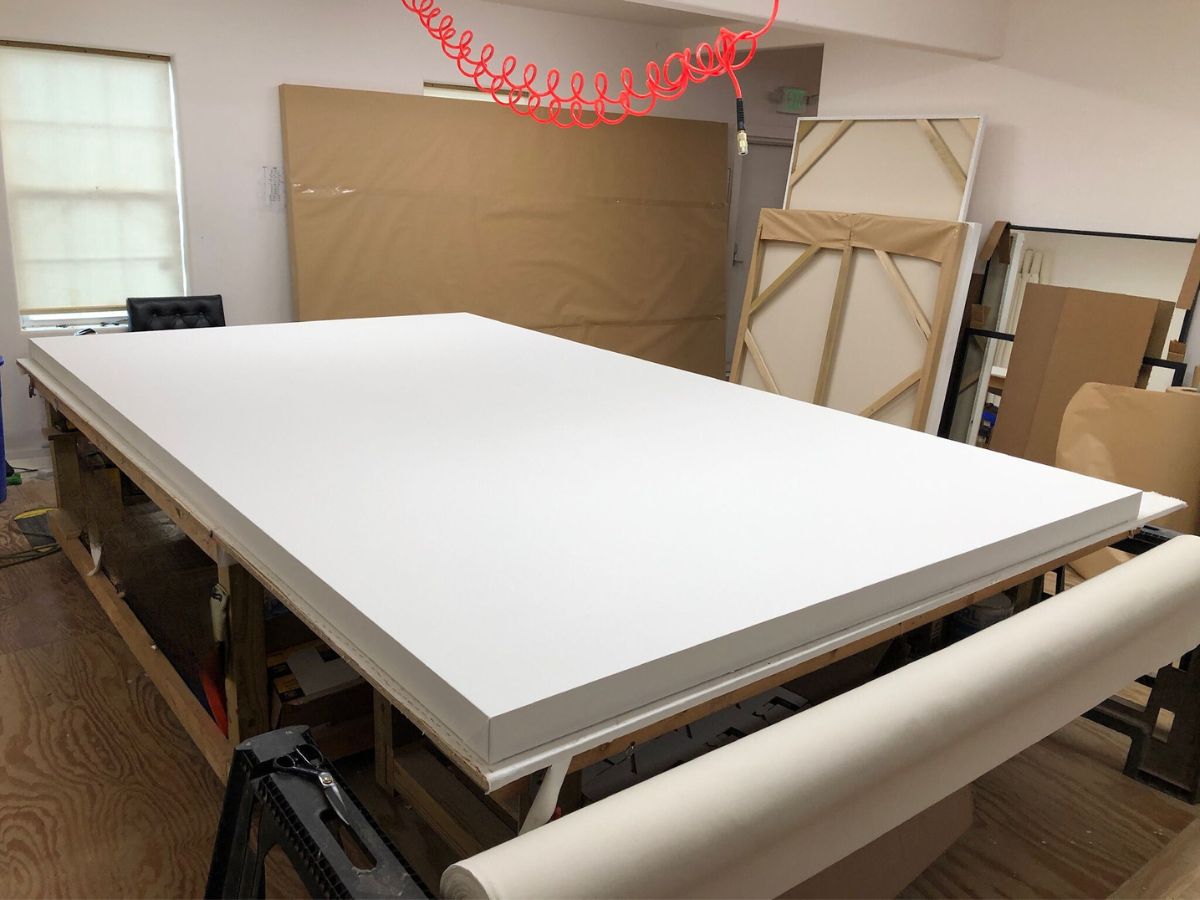
Most often, “preparing” a canvas refers to applying a ground or primer, usually gesso, to the surface before painting. Gesso is a mix of binder and chalk-like materials that creates a textured, slightly absorbent layer for your paints to stick to. This layer is applied in even coats and allowed to dry before you begin painting itself.
Many pre-made canvases come already primed with gesso, but adding extra coats or priming raw canvas yourself gives you more control over the surface and performance.
Better Paint Adhesion and Control
Raw canvas fibers are hungry. They absorb paint quickly and unevenly, which can make colors look dull or patchy and make blending or layering difficult. Preparing your surface with gesso gives the paint something it can grip evenly rather than sinking into threads. This results in smoother brushstrokes, more predictable blending, and cleaner edges.
Primed surfaces also help acrylic and oil paints adhere better. Without primer, the paint film may not bond well and could flake or peel over time. It affects the longevity of your finished work.
Enhanced Color Vibrancy
Unprimed canvas absorbs paint into its weave, which can dull and desaturate even the richest tube colors. A prepared surface keeps pigments on the surface where they can reflect light more effectively, making your colors appear brighter and truer to your palette.
This is especially noticeable if you work in layers. Whether you’re glazing with acrylics or building rich oil passages, secure adhesion and surface consistency help maintain clarity and brilliance as your layers build.
Surface Texture and Painting Experience
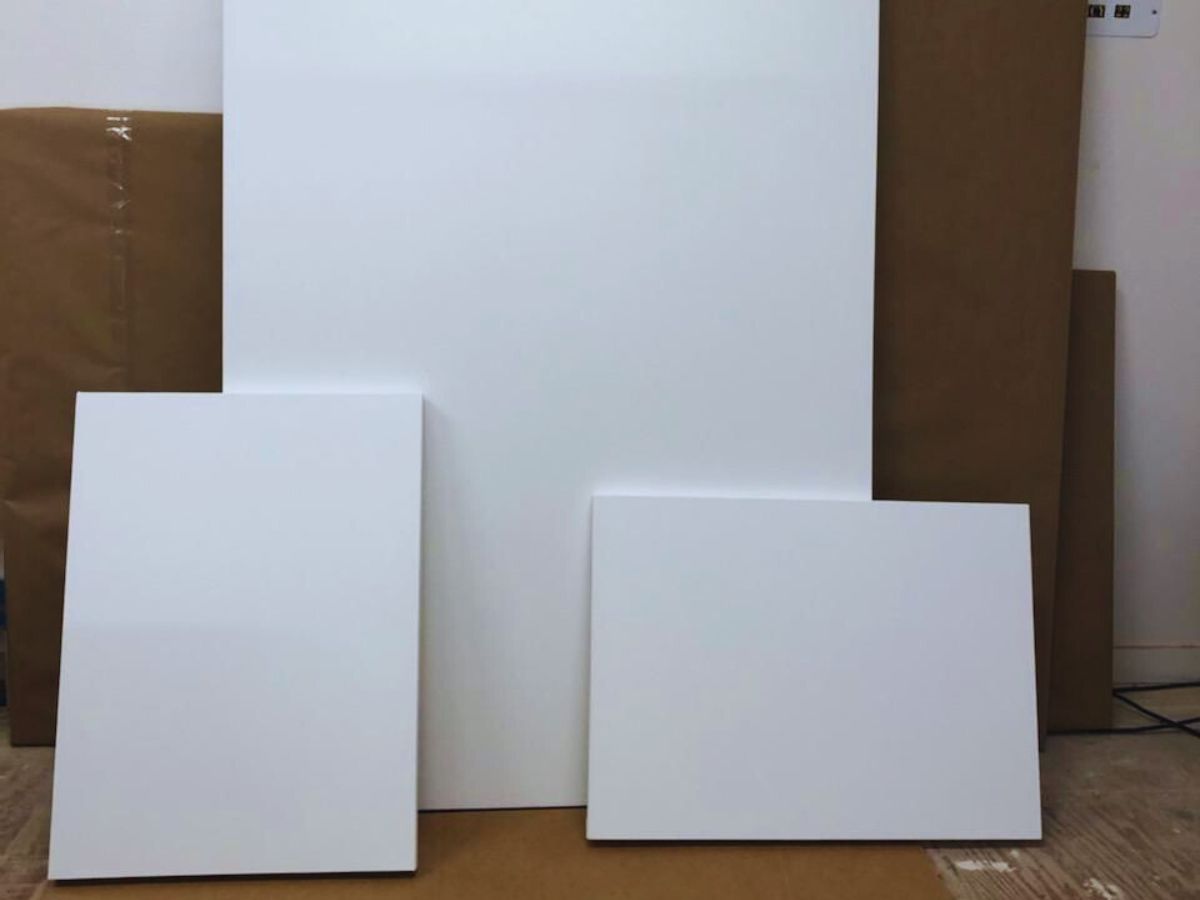
Priming also gives you texture options that affect how your brush works. A lightly sanded, thinly-primed surface creates a smooth ground ideal for detailed or illustrative work, while a toothier preparation offers more grip for expressive, impasto effects. Adjusting the number of coats and sanding between them lets you tailor the surface to your style.
Yes, you’ll hear painters debate whether too much gesso can feel “too rough.” That’s a cue that you might want more or less texture depending on your tools and technique and you can control that as part of your prep.
Protection and Durability
Beyond the studio benefits, preparing your canvas also protects it. Primers act as a barrier between the paint and raw fibers, reducing the risk of moisture damage or degradation from paint chemicals over time. This protective layer is one reason why properly prepared works last longer without yellowing or cracking.
In practice, preparing a canvas is a small investment of time. A few coats of gesso and maybe a bit of sanding give you more control, better paint behavior, brighter color, and more satisfying results. Whether you’re teaching a class, experimenting for fun, or working toward your next show, starting with the right surface sets you up for success in every stroke.