
Cheap vs. Expensive Cotton Canvas: What’s Really Worth Paying For?
If you’ve ever stood in an art store trying to decide between a $10 canvas and a $40 one and wondered why they cost so differently when they’re both “cotton,” you’re not alone. Let’s clear the air. Not all cotton canvases are created equal, and knowing the difference can save you money, stress, and a lot of paint.
Here’s what actually separates the bargain bin from the premium wall.
1. The Weight of the Cotton
One of the biggest differences is the weight. Cotton canvas usually comes in ranges like 7 oz, 10 oz, or 12 oz (referring to weight per square yard).
- Cheap cotton canvases tend to be 7 oz or lower. They’re thin, flimsy, and prone to sagging.
- Higher-end cotton canvases use 10-12 oz cotton. These feel sturdier, warp less and hold up better over time.
- If your canvas feels like a bedsheet or you can see daylight through it, it’s on the low end of the quality spectrum.
2. Stretching and Frame Quality
You can have excellent fabric ruined by bad stretching. This is where the price tag often shows.
Budget cotton canvases:
- Lightweight, often finger-jointed stretcher bars
- Prone to warping in humidity
- Staples may be uneven or too tight, creating dents
- Surface tension can vary from canvas to canvas
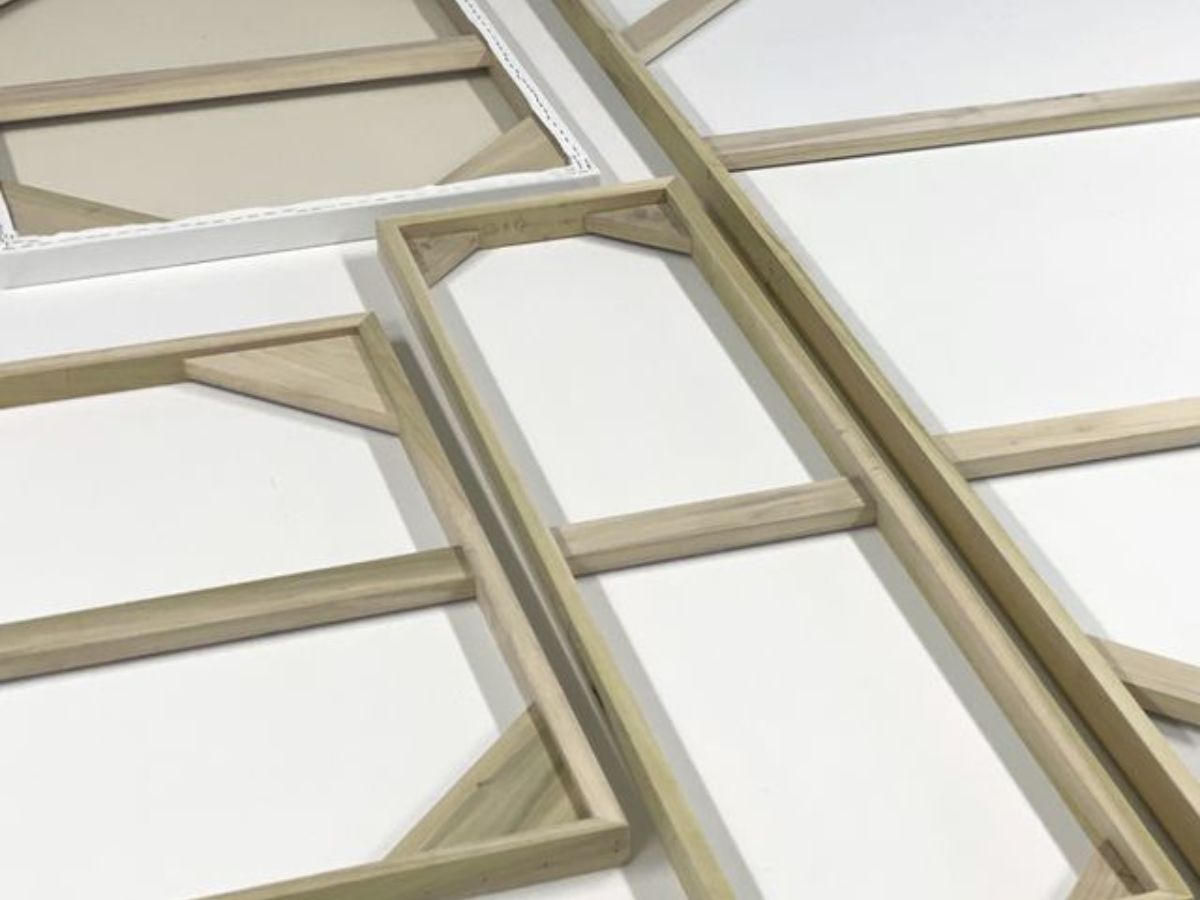
- Thicker, kiln-dried stretcher bars
- Better corner joints and stronger tension
- Smoother, more even surface
- Usually come with corner keys so you can re-tighten the canvas later
If you’ve ever had a painting warp after a few months, the stretcher bars were likely the culprit and not the fabric.
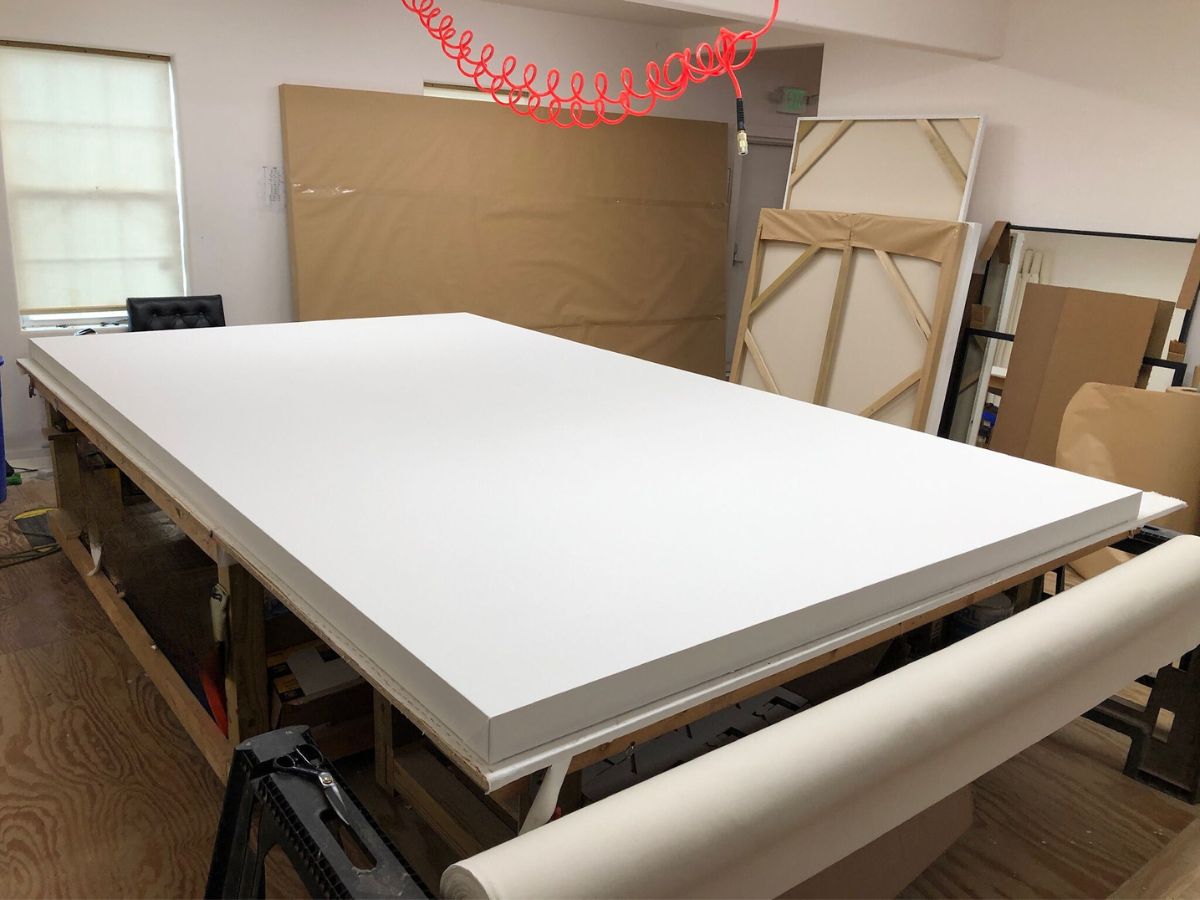
3. The Ground (Gesso)–A Hidden Deal-Maker or Deal-Breaker
This is the part most beginners overlook. The gesso layer affects paint flow, color vibrancy and long-term stability.
Inexpensive pre-stretched canvases often use thin, chalky, overly absorbent gesso. This makes your paint sink in, dull out and burn through your tubes faster.
- Multiple coats of gesso
- Finer, denser application
- Better-quality acrylic polymer binders
The result is paint that sits beautifully on the surface instead of disappearing into the weave.
Tip for budget canvases: If you love a cheaper canvas, add 1-2 extra coats of good acrylic gesso. It instantly elevates the painting surface.
4. Longevity and Archival Quality
If you’re making art to sell or exhibit, longevity matters.
Cheap cotton tends to:
- Stretch, sag or dent
- Yellow over time
- Delaminate if the gesso is poor
Higher-grade cotton, especially cotton duck, stays tighter and resists environmental changes better–a big plus if your work will hang in different climates.
So…Should You Spend More?
Here’s the bottom line:
- For practice pieces, studies or fast experiments:
A cheap pre-stretched cotton canvas is totally fine. Just prime it yourself. - For finished work, commissions or anything you plan to sell:
Go with higher-quality cotton or linen. Your paint will perform better, and your work will age well. - For large-scale paintings:
Invest in sturdier, thicker stretcher bars. This matters more than the cotton alone.
You don’t have to break the bank to make good art, but understanding your surface helps you make smart choices and better work.