
Why Custom Canvas Sizes Matter to Artists
Every painting starts with an idea. Sometimes it’s a portrait that needs a particular proportion, a landscape that calls for a wide horizontal surface, or an abstract piece that demands an unusual shape. But here’s something artists sometimes overlook: the canvas itself plays an important role in bringing that idea to life.
Standard canvas sizes are convenient, but they don’t always suit every project. That’s where custom-sized canvases come in. They give artists more control over their work, allowing them to choose dimensions that complement their subject, technique, and creative goals.
1. More Freedom to Explore Your Composition
Composition is about arranging visual elements to create balance, movement, and interest. The dimensions of your canvas influence how much room you have to develop these elements.
A square canvas might work beautifully for a centered portrait or balanced abstract design. A panoramic canvas, on the other hand, can provide the extra horizontal space needed for an expansive landscape or a flowing composition.
According to the Queensland Art Gallery, scale influences how viewers experience an artwork, including how they relate to its subject and the space it occupies. Choosing the right dimensions can therefore help artists communicate their ideas more effectively.
2. Your Artwork Doesn’t Have to Fit Standard Sizes
Not every painting follows a familiar 16 x 20 or 24 x 36-inch format. Some ideas simply need different proportions.
Custom canvas sizes let you experiment with extra-tall, wide, square, or other nonstandard formats. This is especially useful for contemporary artists, mural-inspired paintings, mixed-media projects, and multi-panel compositions.
You can develop the artwork around the dimensions you actually want rather than changing your original concept to accommodate an available canvas.
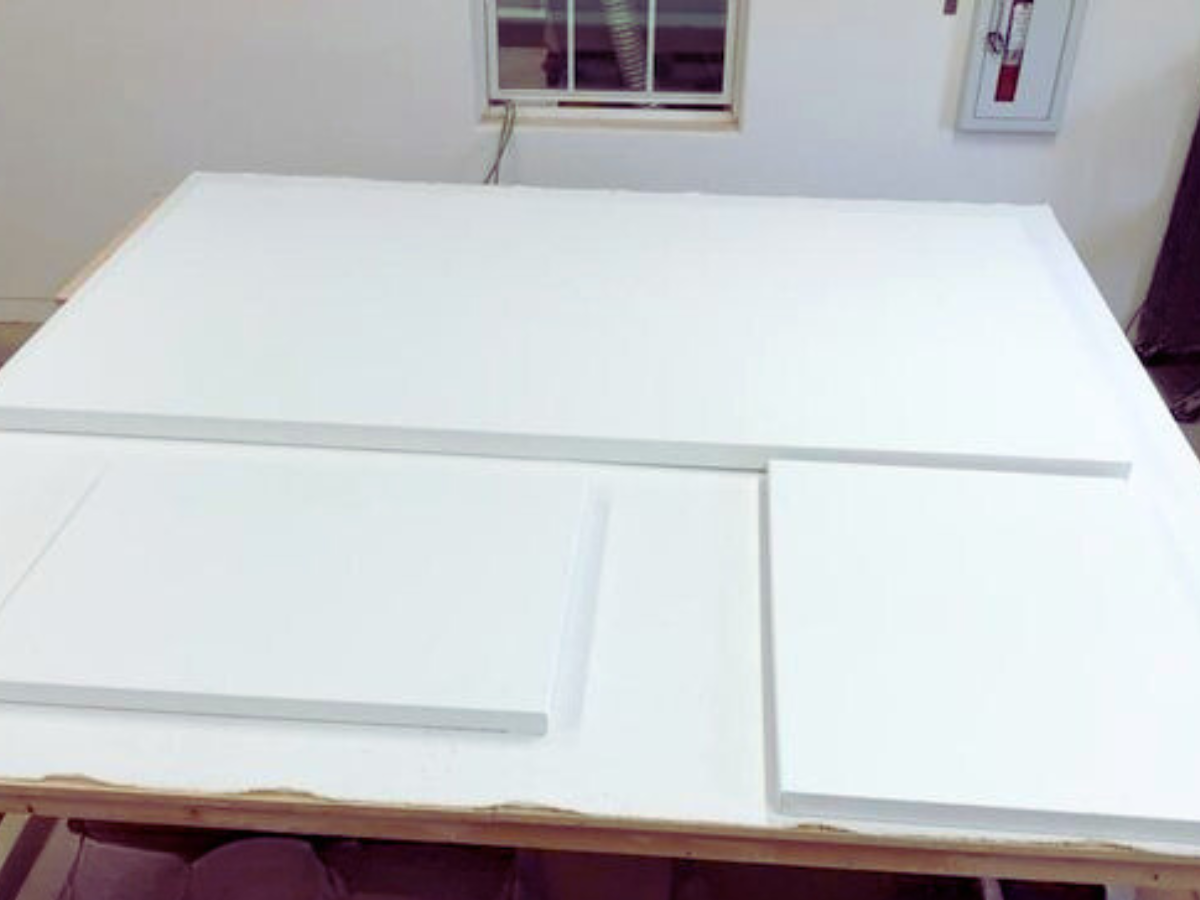
3. A Better Fit for Your Display Space
Canvas dimensions also matter when you plan to exhibit, sell, or display your artwork.
A painting intended for a particular wall, gallery, office, or interior space needs to work with its surroundings. A canvas that’s too small may lose its visual impact, while one that’s too large may overwhelm the room.
Custom sizing allows artists and art buyers to consider the available display area before production begins. This can be particularly helpful for commissioned paintings and commercial art projects.
4. Greater Creative Possibilities for Large-Scale Art
Large paintings offer opportunities to work with bold gestures, expansive details, and stronger visual impact. They can also change how viewers physically experience an artwork.
The National Portrait Gallery’s research into historical canvas sizes shows how artists adopted different dimensions to meet specific artistic and display requirements. For example, larger portrait formats helped accommodate full-length figures and grand exhibition spaces.
For today’s artists, custom-sized canvases make it easier to explore ambitious projects without being limited to standard dimensions.
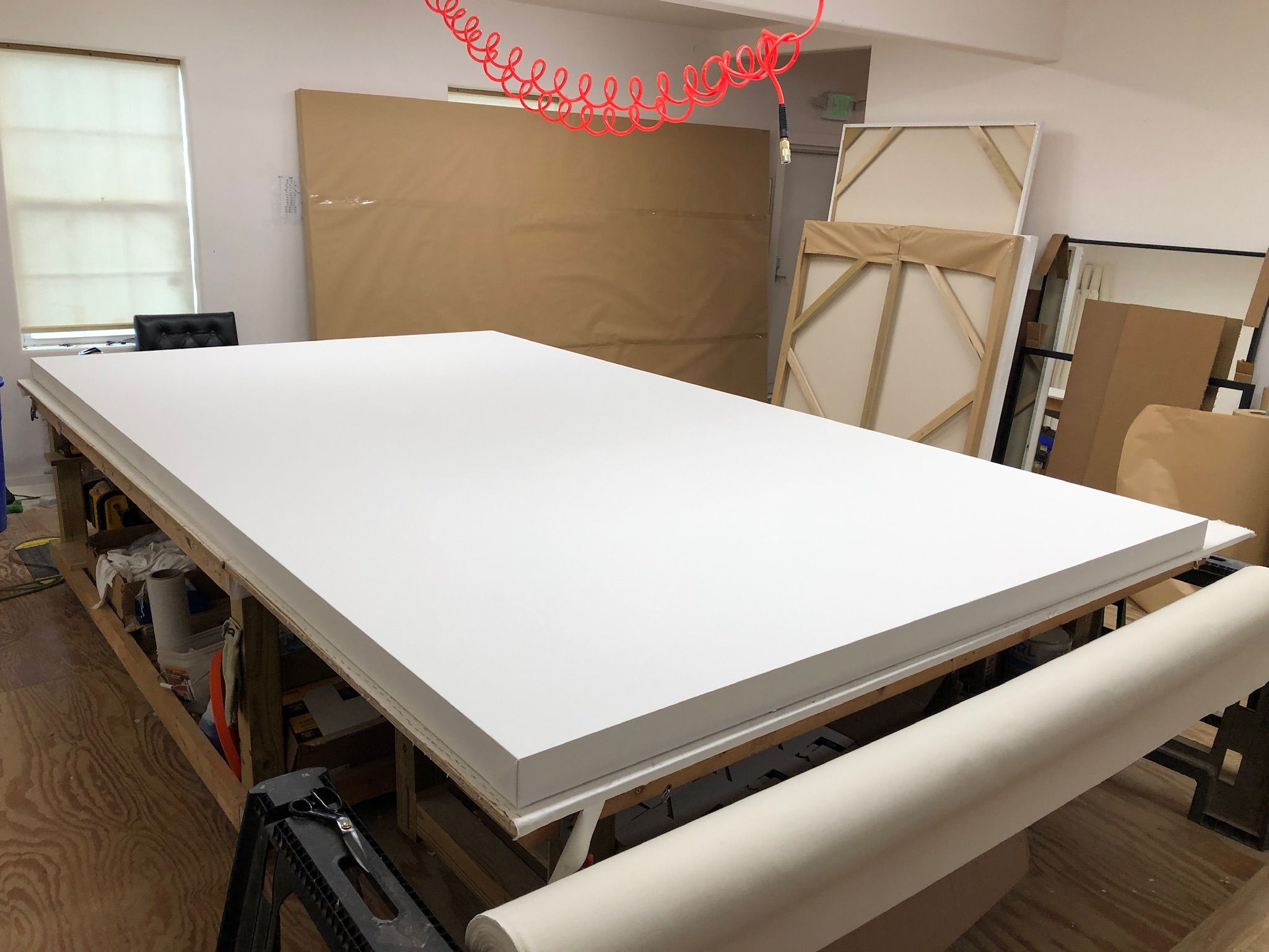
5. More Control Over Your Painting Surface
Choosing custom dimensions is only part of the decision. Artists should also consider canvas material, texture, depth, and preparation.
A cotton canvas, linen canvas, and wood panel each offer different working characteristics. The Getty Conservation Institute explains that canvas properties such as flexibility, texture, and absorbency are influenced by the fabric and its preparation.
Think about your preferred medium and technique before ordering. Acrylics, oils, and mixed-media applications may call for different surface qualities.
Choose a Canvas That Works With Your Vision
Your canvas should support your artistic decisions, not restrict them. Whether you’re creating a small study, a commissioned portrait, or an oversized contemporary painting, the right dimensions can make your creative process more intentional.
At CanvasLot, custom-sized painting canvases and wood panels give artists more flexibility to find a surface that suits their projects. Instead of settling for what’s available, explore the dimensions that work for your next idea.