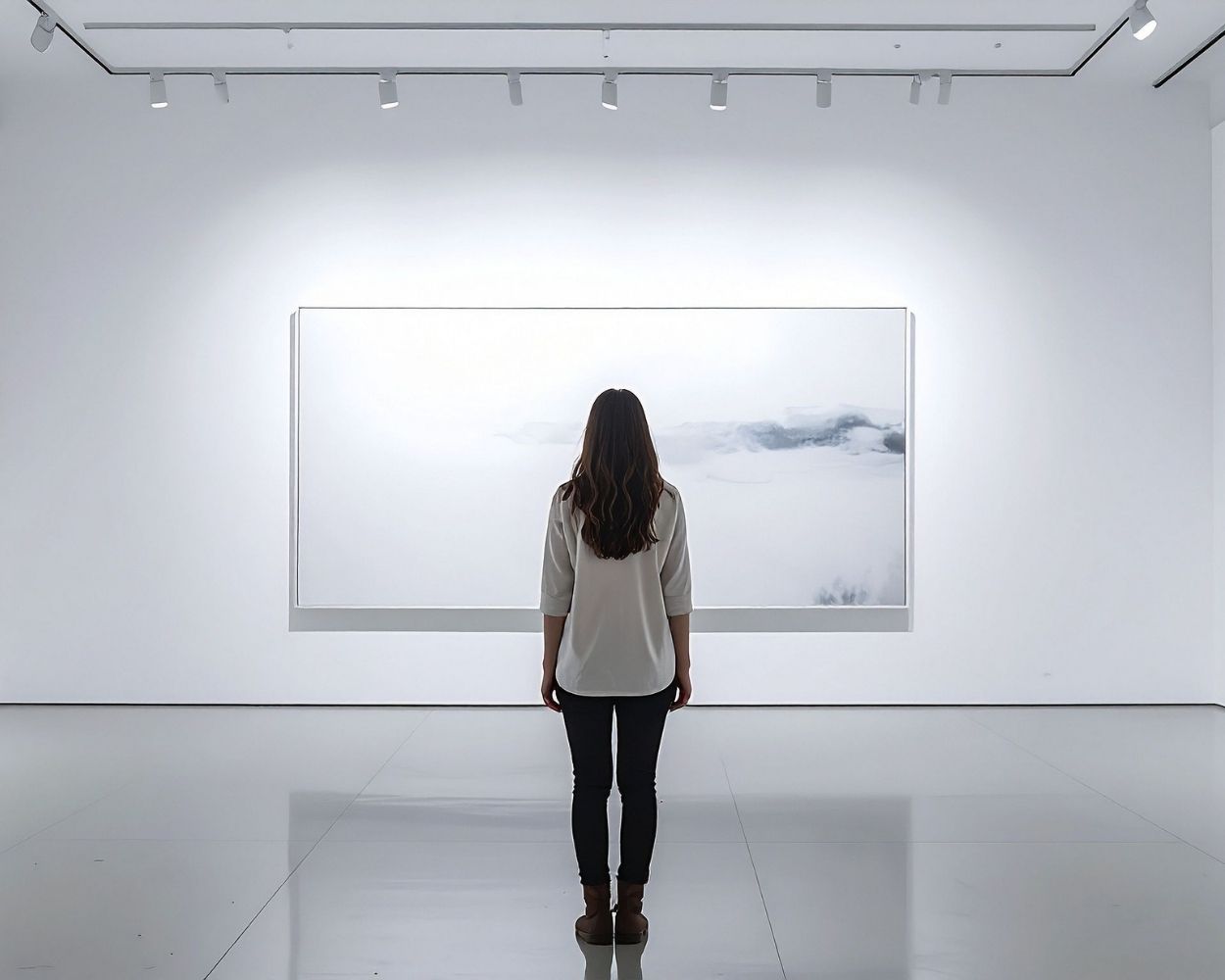
8 Tips for Painting Large Scale for Artists
Painting big feels different. It asks more from your body, your materials and your mindset. Whether you’re stretching your first oversized canvas or prepping for a mural, large-scale work pushes you into new territory. Here are practical tips that make the jump easier and a lot more enjoyable.
1. Start With a Plan, Not a Guess
When you work large, small mistakes turn into big ones fast. Before you pick up a brush, map things out.
- Do a thumbnail sketch.
- Mark major shapes and value areas.
- Decide your color palette.
This doesn’t limit creativity. It frees you up so you’re not fighting the piece halfway through.
If you like projecting your reference, go for it. It saves time and keeps proportions consistent. If you’d rather grid things by hand, that works too. Just keep the grid light and removable.
2. Think About Your Surface Early
Large surfaces behave differently. They flex more. They bounce. They can swallow detail if the texture is too rough.
If you’re working on canvas, choose heavier fabric and strong stretcher bars so the piece doesn’t warp. If you’re working on wood, seal it properly so it doesn’t absorb paint unevenly.
For murals, check the wall. Clean it, scrub it, prime it. Bad prep always shows later.

3. Scale Up Your Tools
Tiny brushes on a giant canvas slow you down and create stiff-looking marks. Use tools that match the scale:
- Wide brushes for blocking in
- Rollers for backgrounds
- Big palette knives for fast texture
- Spray bottles or sponges for loose effect.
Save your detail brushes for the very end.
4. Step Back More Than You Step Forward
When you’re close to the canvas, everything feels urgent and dramatic. Step back often. Ten feet if you can. Twenty if the space allows.
Distance shows you the real composition. It also keeps you from overworking one area while ignoring the rest.
5. Break the Work into Sections
Large-scale paintings get overwhelming if you try to solve everything at once. Work in stages:
- Block in major shapes and colors
- Refine proportions
- Build depth and texture
- Add details at the end
This keeps your energy steady and your focus sharp.
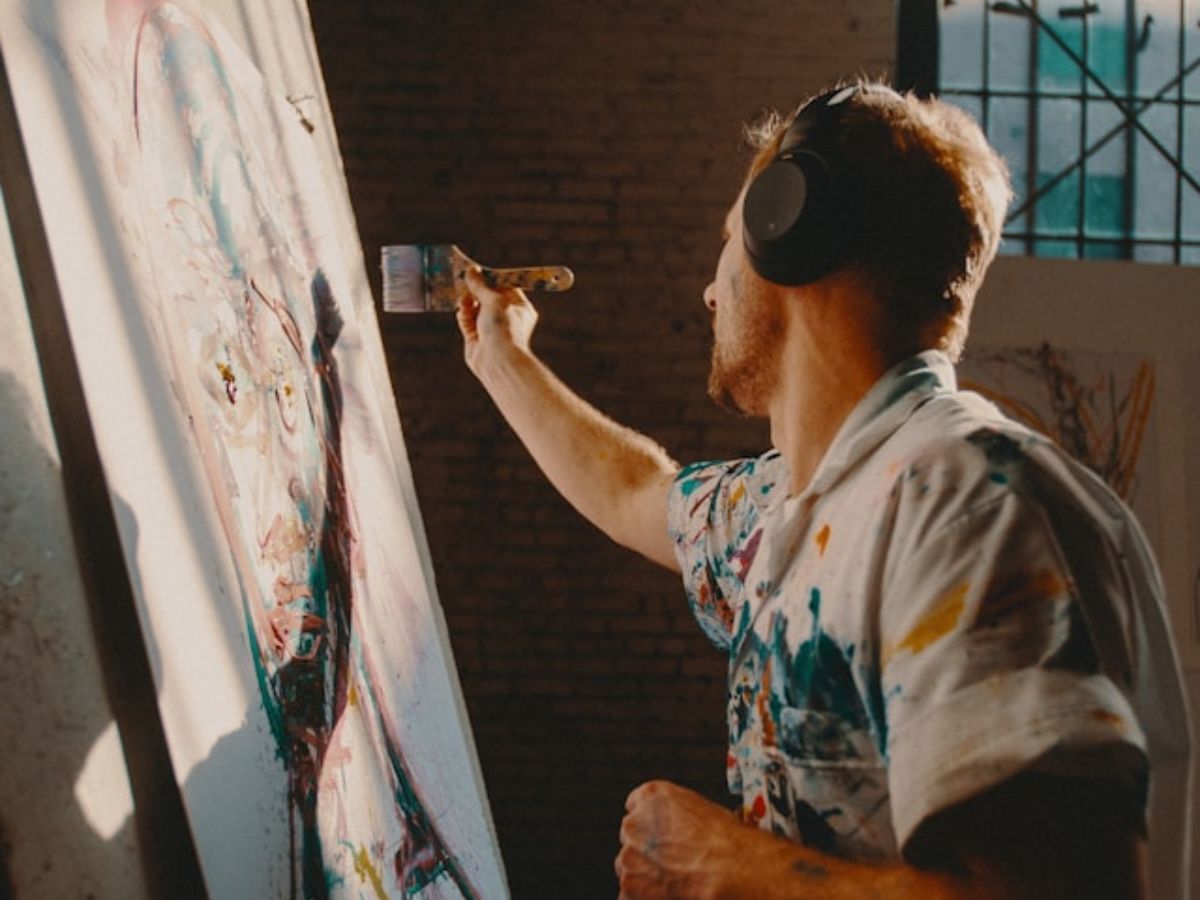
6. Light, Ventilation and Movement Matter
Good lighting is non-negotiable. You need to see your values clearly from far away. Natural light is ideal. Neutral LED lighting is the next best thing.
Ventilation matters too, especially with oils, varnishes or spray-based techniques. And don’t trap yourself. Make sure you can physically move around the work. Clear space equals clear decisions.
7. Manage Your Energy
Large-scale pieces take time. They’re physically demanding. Pace yourself. Use breaks intentionally not to escape, but to reset your eyes and body. Hydrate, stretch, and change your viewing angle. Your painting will look better for it.
8. Know When to Stop
The larger the work, the easier it is to keep tinkering. At some point, call it done. If the overall image reads clearly from a distance, it’s working.