
6 Tips for Painting on Large Canvases
There’s something thrilling about standing in front of a large canvas. The scale invites bold decisions, expressive gestures, and a physical connection to your art that smaller formats simply can’t match. But that sense of freedom can also come with challenges: intimidation, proportion issues, time management, and even fatigue. Here’s a guide to help you approach large canvases with confidence and clarity.
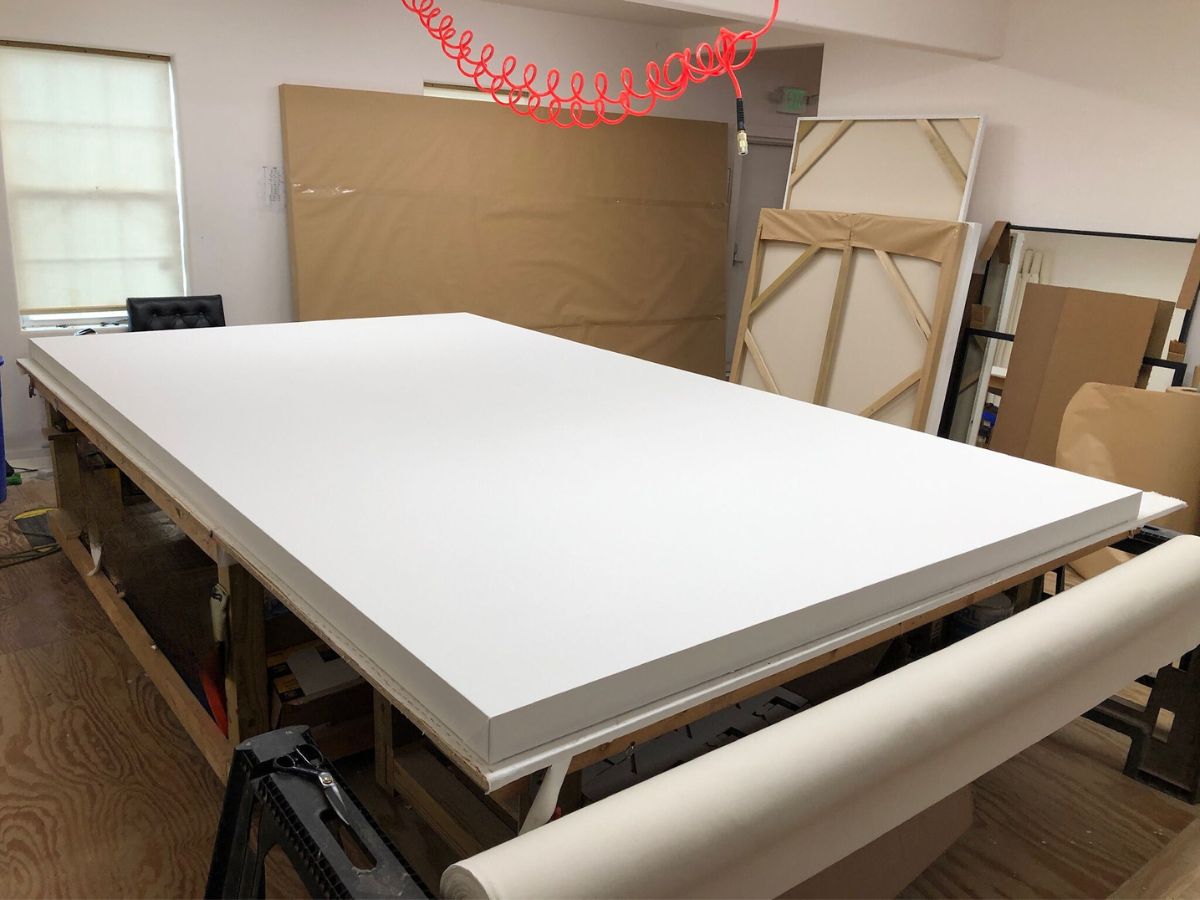
1. Start With the Right Materials
Large canvases call for tools and supplies that can keep up:
- Heavy-duty canvas and support: Make sure your canvas is sturdy and properly stretched over quality stretcher bars. For very large works, a cross brace helps keep the canvas taut and prevents sagging.
- Generous paint supply: Running out of your key colors mid-project can break momentum. Have plenty of paint ready so you’re not constantly mixing fresh batches that might not match.
- Oversized brushes and tools: Bigger brushes, rollers, even squeegees or trowels help you cover ground faster and put down broad strokes with energy. But keep smaller brushes handy for detail work too.
2. Plan the Composition
A large canvas doesn’t mean an improvised composition. Big format demands thoughtful planning:
- Sketch first: A thumbnail sketch or small study helps you solidify your composition before transferring it.
- Grid or projection: Using a grid system or projector lets you scale up your sketch accurately, keeping proportions consistent across the whole piece.
- Divide into sections: Breaking the canvas into ‘zones’ (in your mind or with a light grid) makes the work feel more manageable and helps you focus on one area at a time.
Stepping back frequently–literally stepping away from the canvas–helps you gauge the whole picture instead of just details. What looks balanced up close might feel off from a distance.
3. Build in Stages
Large paintings are often marathon, not sprint.
- Underpainting: Begin with a base layer to establish values and grounding shapes. This makes later decisions about light, shadow, and color easier.
- Time management: Big surfaces take longer to cover. Set goals for sections or stages of the work, and take regular breaks to refresh your eye and body.
- Work in layers: Especially with acrylics or oils, allowing layers to settle before adding new elements prevents muddying and helps maintain crisp edges and clarity.
4. Be Physical, But Pace Yourself
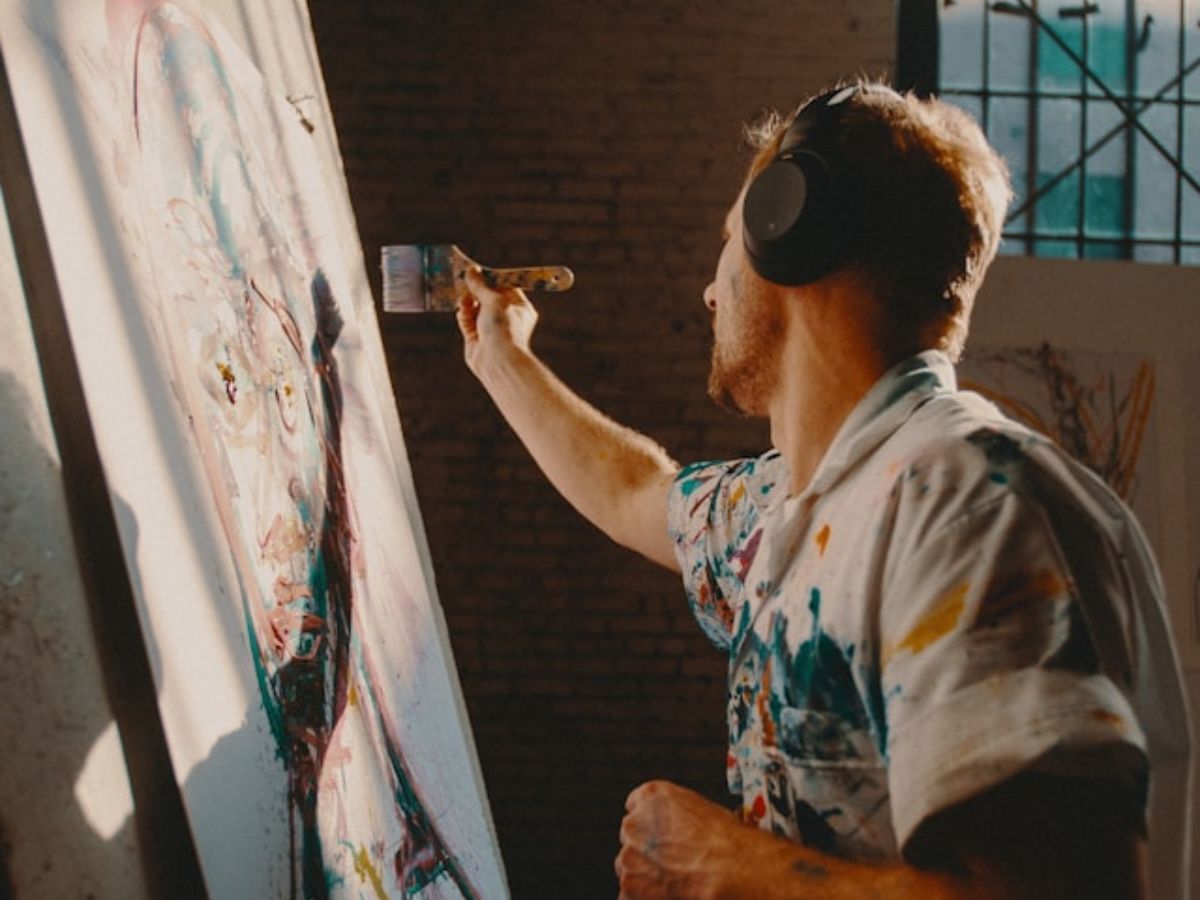
Large canvases demand more movement, whether you’re reaching across a panel or stepping back to check perspective.
- Position your canvas well: Use a strong easel or wall mount that lets you access the whole surface comfortably.
- Take breaks: Painting large can be physically demanding. Your neck, shoulders, and back will thank you if you stretch and rest often.
5. Experiment With Scale and Technique
One of the joys of large canvases is room to play:
- Try expressive mark-making and bold gestures.
- Explore layering techniques like glazing or textured applications.
- Don’t be afraid to make big, sweeping color moves.
6. Plan for Drying and Storage
A final practical note: large pieces take longer to dry and need space. Oil paintings in particular may require significant drying room. Make sure you have a dedicated area where the piece can rest safely, flat or upright, without disturbance.
Painting big invites you to think differently with your whole body and your broadest ideas. With the right materials, some planning, and willingness to work in stages, big canvases become not something to fear, but a space to expand your creative voice.