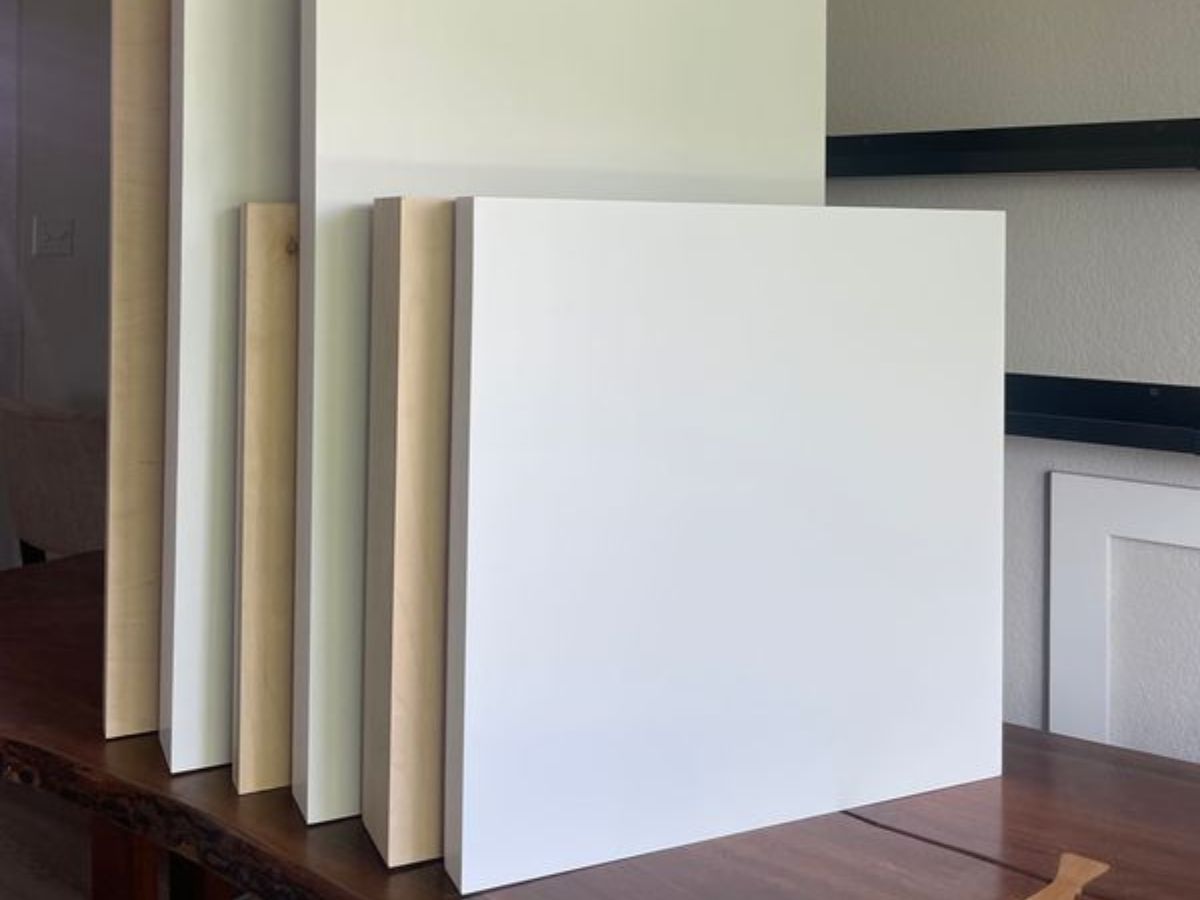
Why Large-Scale Painting on Wood Panels Is a Game-Changer for Artists
If you’re exploring large-scale painting, using wood panels can be surprisingly rewarding. Unlike canvas, wood offers a smooth, rigid surface that gives you more control, stronger color, and long-term stability. Whether you’re a professor explaining materials, a hobbyist building your first big piece, or a professional artist looking to switch surfaces, here are some key things to know.
Why Choose Wood Panels for Large Works
- Stability and durability: Wooden panels won’t sag, stretch, or wobble like canvas can. A properly prepared panel offers a stable surface that holds up even under thick paint or mixed-media layers.
- Precision and detail: The rigid surface lets your brush feel solid under your hand, so it’s much easier to achieve crisp lines, glazing, or fine detail.
- Vibrant color: Because wood doesn’t absorb paint like canvas, colors can appear more luminous.
- Long-lasting: Well-made wood panels have been used for centuries. Their archival potential is higher if sealed and maintained correctly.
But It’s Not All Smooth Sailing
Wood has its trade-offs. First, weight: large wood panels get heavy, which makes handling, transporting, and hanging more challenging.
Second, environmental sensitivity: wood can crack or warp if the humidity or temperature swings, so sealing and backing properly is critical. Read our tips on how to care for custom wood panels.
Third, prep work: you’ll often need to sand, seal, and prime (e.g., multiple coats of gesso) to create a reliable ground.
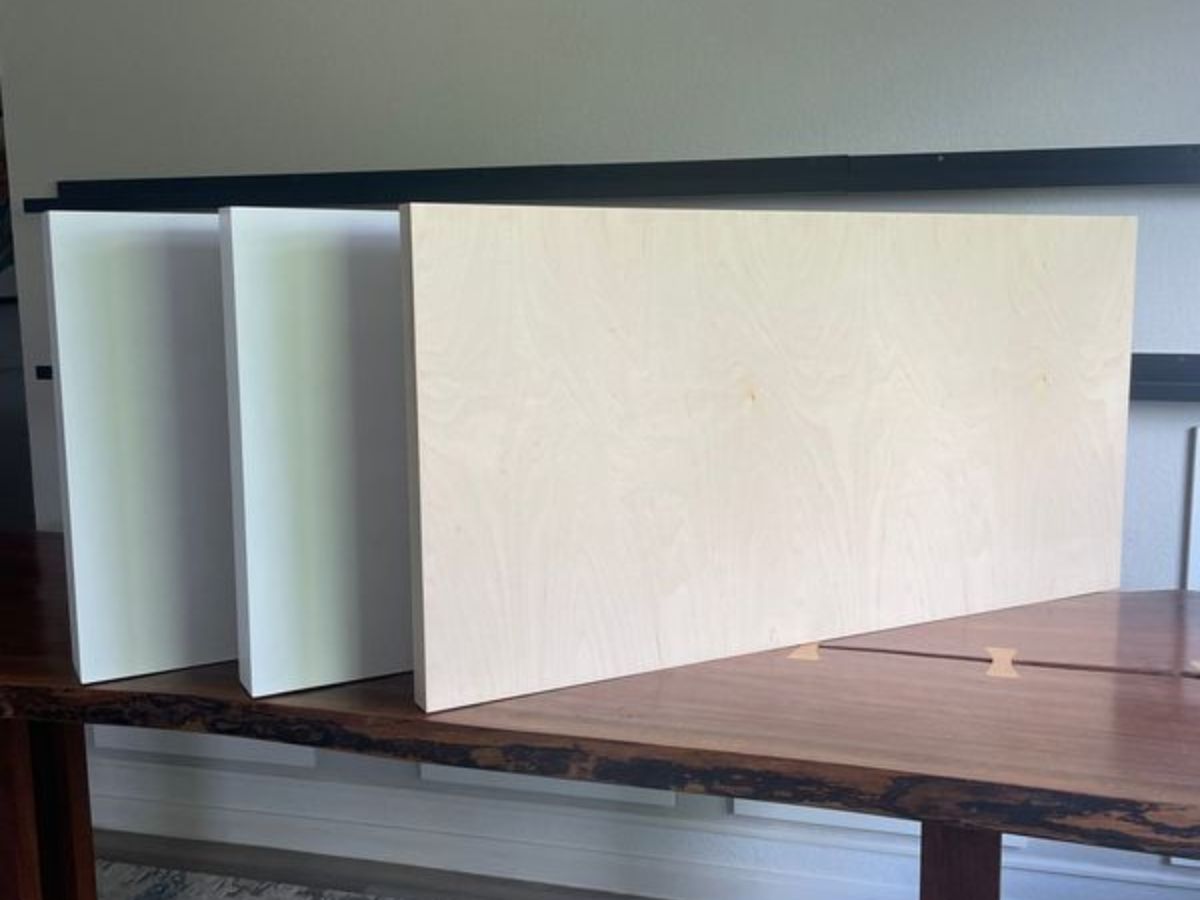
Preparing a Large Wood Panel: Step by Step
1. Choose the right wood. Use a well-seasoned, stable type such as hardboard, birch plywood, or cradled panel are all good choices.
2. Seal both sides. Apply a sealant (shellac, PVA size, or clear gesso) to front and back to help prevent moisture changes.
3. Build structural support. For large panels, reinforce the backside with battens or cradling so the panel stays flat.
4. Prime thoroughly. Several coats of gesso–sanded in between–give a stable, ready-to-paint surface.
5. Work mindfully. Paint with whatever medium you’re comfortable with (acrylic, oil, mixed media), but understand your drying times and how the panel interacts with pigments.
Conservation and Long-Term Care
To ensure your work lasts, it’s smart to think ahead about conservation. Wood responds to humidity, so store and display your finished pieces in stable environments. Also, if you’re creating very large or valuable works, consider reinforcing the back with cradling to prevent warping over time.
Painting large-scale on wood panels is a way to elevate your work. You gain control, color clarity, and longevity. The trade-off? More prep, more weight, and the need for careful handling. But once you set it up right, a wood panel can become a powerful, stable platform for your most ambitious pieces.