What Type of Paint Works Best on Canvas
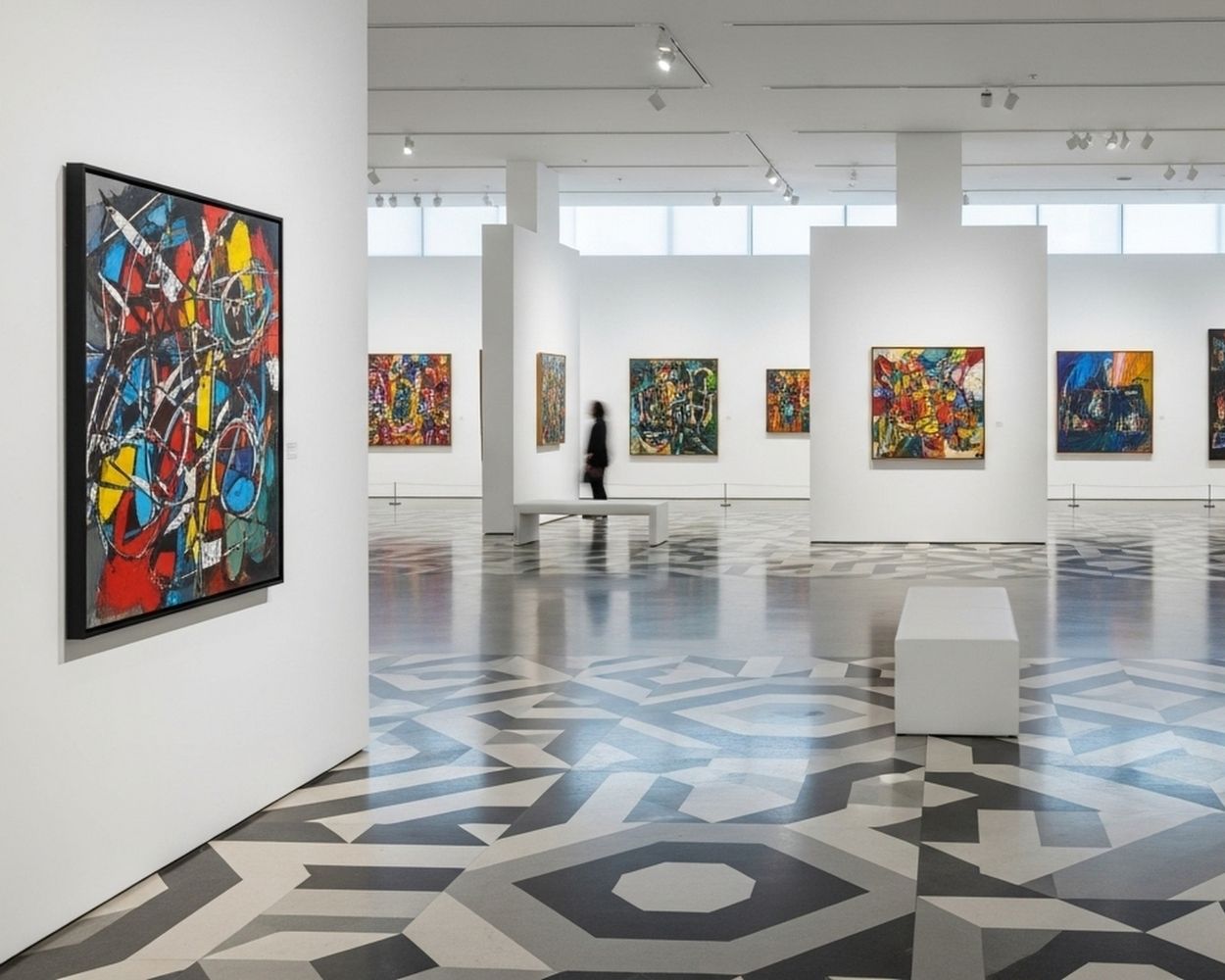
When you’re standing in front of a blank canvas, one of the first questions you’ll face is what paint should I use? The answer isn’t one-size-fits-all but understanding the properties of the main paint types makes choosing easier whether you’re just starting or have years in the studio.
Acrylic Paint: Versatile and Beginner-Friendly
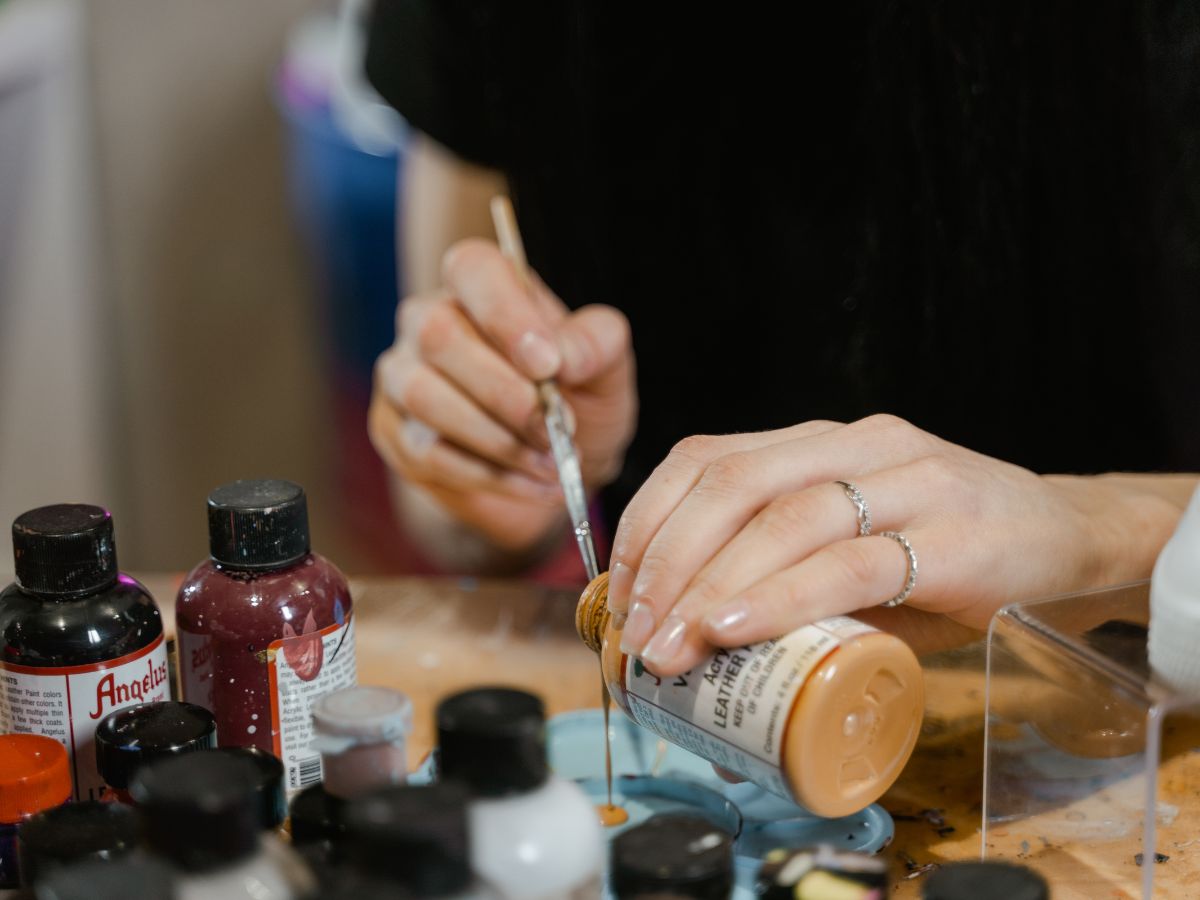
For most painters today, acrylic paint is the go-to choice for canvas. Acrylics are made of pigment suspended in a polymer emulsion. They dry fast, are water-based, and bond well to primed canvas surfaces. That makes them easy to layer, blend, or thicken depending on how you work.
Why many artists like acrylics:
- Fast drying: You can apply multiple layers in one session without long waits.
- Water cleanup: No solvents or harsh chemicals are needed.
- Flexibility: Acrylics work on canvas, panels, and even non-traditional surfaces when properly primed. They’re forgiving and great for expressive, textured, or experimental styles.
Because of these traits, acrylics are excellent for both beginners and seasoned painters looking for efficiency and adaptability. Many popular brands produce heavy-body acrylics with rich pigment that hold brushstrokes and texture beautifully.
Oil Paint: Rich and Traditional
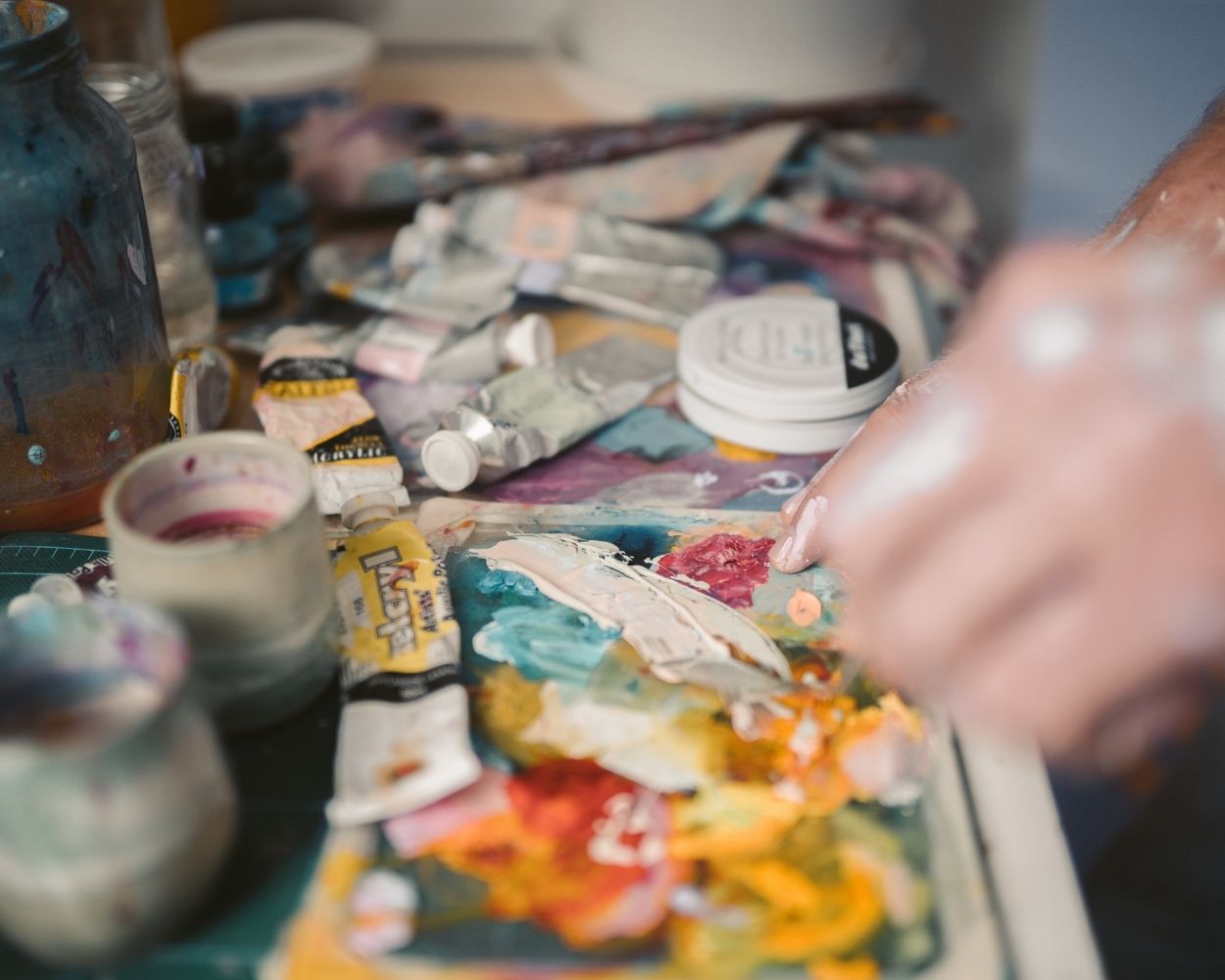
For artists who love slow, deliberate painting and luminous color blends, oil paint is a timeless favorite. Oils use pigments suspended in drying oils (usually linseed), and the way they interact with light gives colors a deep, rich quality that continues to captivate artists and collectors alike.
Good reasons to paint oils on canvas:
- Long working time: Oils stay workable for days, making them ideal for blending and subtle transitions.
- Color depth: The pigment and oil medium produce vibrant, saturated hues with a sheen that many painters love.
- Classical techniques: If you’re interested in glazing, layering, or old-master approaches, oil is hard to beat.
The trade-offs? Oils take longer to dry–sometimes weeks–and require solvents and ventilation during cleanup. But for many artists, the rewards in surface quality and blending control are worth it.
Casein, Gouache, and Watercolor on Canvas
While not as common as acrylics or oils, other paints can be used on canvas with proper preparation:
- Casein paint is water-soluble and dries to a matte finish. It’s historically significant and useful for underpainting, but because its dried film can be brittle, it’s generally better suited to rigid surfaces or canvas mounted on board rather than flexible stretched canvas.
- Gouache–essentially opaque watercolor–is usually reserved for paper but can work on canvas if a watercolor ground is applied. However, it doesn’t behave like traditional canvas paints and can be less predictable.
- Watercolor on standard canvas is generally not recommended due to absorbency and film issues, unless the surface has been specially prepared.
Matching Paint to Your Practice
Here’s a simple way to think about it:
- Acrylics: Best all-around choice. Quick, versatile, and ideal for many styles from abstract to realism.
- Oils: Best for rich color, traditional methods, and slow, thoughtful blending work.
- Specialty options: Casein and gouache have niche uses when you want a specific effect or are experimenting.
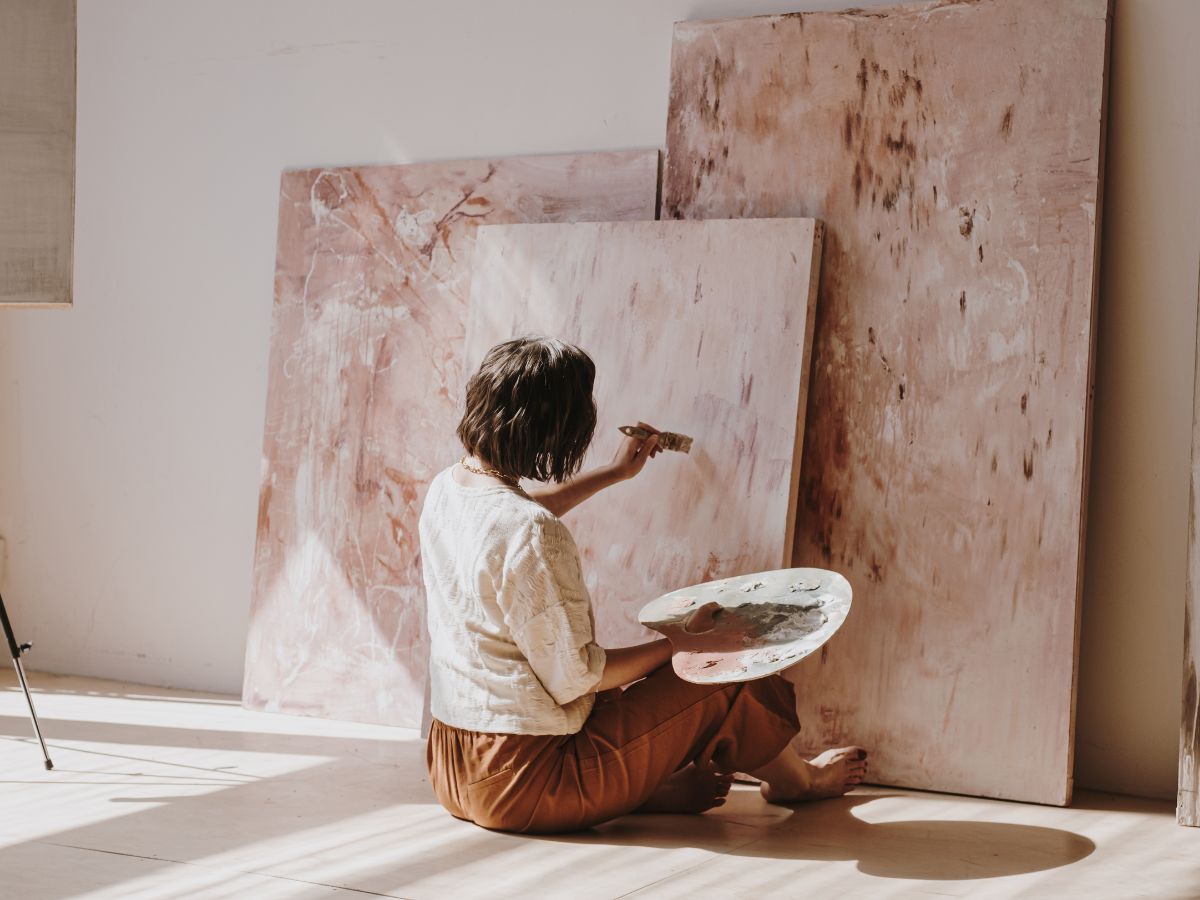
For most artists, acrylics and oils will cover the majority of canvas work. Begin with acrylics if you want ease and speed; explore oils when you’re ready for depth and layering nuance. Every medium has its place, and many artists enjoy mixing approaches such as acrylic for base layers and oils for final passages, to take advantage of each paint’s strengths.
Painting on canvas is as much about the journey as the final piece. Experiment with these options, find what feels right under your brush, and let the material inspire your creative process.