
How to Beat Declining Foot Traffic in Art Galleries
If you run or contribute to a gallery, you’ve probably noticed that fewer people are walking through the door these days. Big institutions like the Tate galleries in the UK are still struggling to attract pre-COVID visitor levels, with millions fewer people showing up in recent years. That trend isn’t unique to museums, smaller, independent galleries feel it too. But there are smart, practical ways you can turn that tide, and they don’t all involve throwing money at ads.
1. Host events
First, think of your gallery not just as a space displaying art, but as a community hub. People visit places where they feel welcome and where there’s something to do, not just something to see. Hosting events like artist talks, panel discussions, workshops, and themed openings gives people a reason to show up in person. These kinds of events are widely recommended by arts marketers because they give audiences a chance to interact with creative minds and with each other, not just the art on the walls.
2. Art workshops
Workshops in particular are gold for engagement. Invite painters, hobbyists, and students to participate in hands-on sessions. Not only does that create excitement, but it also deepens their connection to the space. Plus, it builds word-of-mouth: someone who learns how to mix colors with you is far more likely to come back than someone who scrolls past an online listing.
3. Digital presence
Of course, you still need to be visible before people ever think about visiting. That’s where digital presence comes in. Investing in your website and social media isn’t optional anymore, it’s part of the gallery’s front door. Galleries that regularly post behind-the-scenes video, artist interviews, exhibit previews, and stories about featured painters see stronger engagement online and offline. Make sure your website ranks for local search terms like “art exhibition near me” and that your social posts use hashtags relevant to your audience.
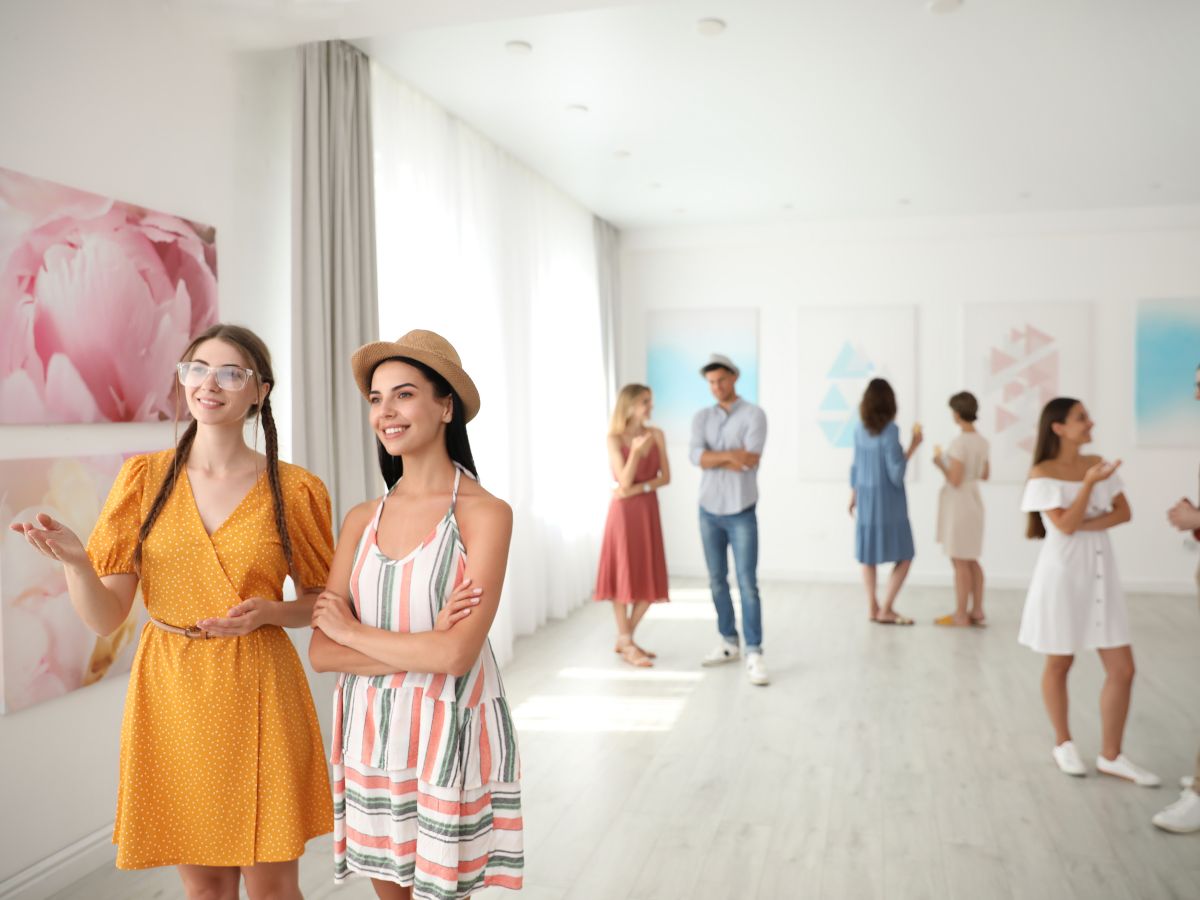
4. Boost the gallery’s social media
Social media can also break art out of a “stuffy” stereotype and make it feel real and relatable. Big institutions have started doing this by partnering with creators and influencers who speak in their audience’s language. You don’t need celebrity influencers even local creators who love art can amplify your message and invite their followers to discover your gallery.
5. Collaboration
Another proven tactic is collaboration. Partner with local schools, cafes, bookstores, and other community spaces for joint events or pop-up exhibitions. When other local businesses display your promotional materials or host a mini show of artwork, it expands your reach beyond your usual audience.
6. Email newsletters
Finally, don’t sleep on email newsletters. Building a list of past visitors and art fans lets you send regular updates about new exhibits, special events, and artist talks. People are busy. A gentle reminder landing in their inbox can put you back on their calendar.
There’s no single fix for declining foot traffic, but combining smart events, engaging online content, real partnerships, and consistent communication will create a stronger pull. Keep your focus on experiences. People go where they feel connected and welcomed. Make your gallery that kind of place, and you’ll see those footsteps return.