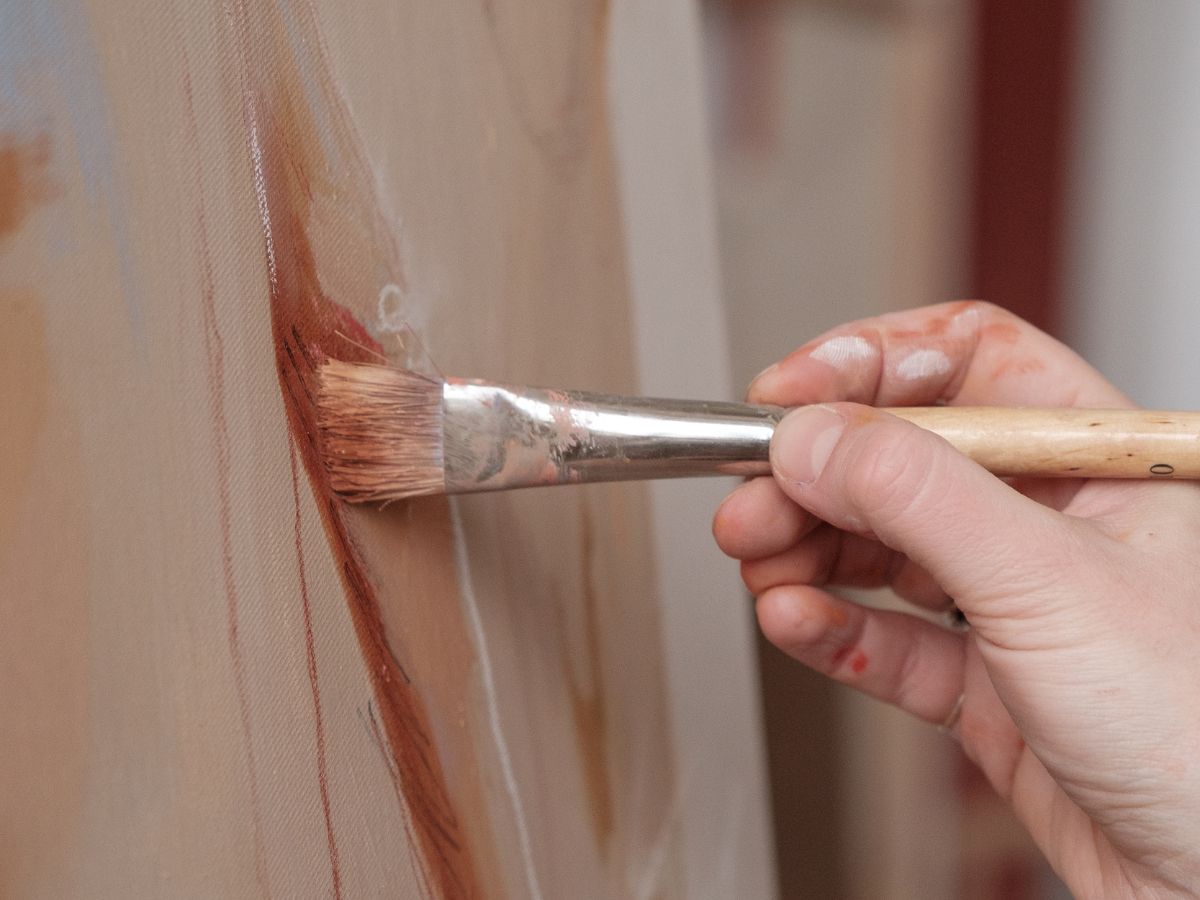
Five Common Canvas Art Mistakes—And How to Avoid Them
Whether you’re just starting out or have framed a few gallery pieces, certain pitfalls keep tripping up painters again and again. Here are those common art mistakes and how fixing them can really improve your work.
1. Skimping on Canvas Preparation
This is probably the most underestimated mistake. Skipping or using too little primer (gesso) makes paint soak unevenly, dulling your colors. Also, painting on a loosely stretched canvas leads to warping or cracking later on. Many pros even tone the ground (with a neutral wash) before painting. It helps you judge values better and gives your whole piece a more harmonious base.
2. Ignoring Layer Drying Times and Applying Too Much Paint
Rushing through layers is a recipe for disaster. For acrylics, applying a new coat before the previous one fully dries can cause streaking, smudging, or color bleeding. If you’re using oils, the “fat over lean” rule applies. You want thinner layers underneath and progressively richer (fatter) ones on top. Overloading your brush or canvas with too much paint can create texture problems or even cracking as it dries.
3. Color-Mixing and Value Mistakes
Many beginners grab colors straight from the tube, leading to overly bold or muddy hues. Without a solid sense of “value” (how light or dark something is), paintings can look flat or lifeless. On top of that, acrylics often dry darker than they look when wet. If you don’t account for that, your tones might not match your intention.

4. Detailing Too Early
A lot of painters jump in with tiny details before they’ve even blocked out shape and form. That leads to awkward proportions, stiff forms, or a lack of coherence across the piece.
The fix? Start with large shapes, work on values, make sure your composition and structure feel solid and only then zoom in with your fine brushes.
5. Mental Blocks, Perfectionism, and Overworking
Art isn’t just technique, it’s also a mindset. Some painters stress so much about “getting it perfect” that they paint over and over, muddying up their work. Fear of mistakes also kills creativity: the secret is embracing them as part of your process.
Sometimes a bit of overworking is unavoidable, but when you feel you’re going in circles, it’s often better to step away, let things dry, and come back with fresh eyes.
Quick Wins to Fix These Mistakes
- Always apply 2-3 coats of gesso (or tone the first layer) for a reliable, even surface.
- Use a limited palette to practice color mixing.
- Let every layer dry fully before adding more.
- Block in big shapes and values before refining.
- Give yourself permission to “fail” fast. Mistakes fuel growth.