
Why Do Artists Wet a Canvas Before Painting?
Wetting a canvas before painting is one of those studio habits you’ll see some artists swear by and others completely ignore. The truth is, it depends on what you’re trying to do.
First, this technique is mostly used with acrylic paint. Acrylic dries fast. Sometimes too fast. That quick drying time can make blending difficult, especially on larger surfaces or in warm climates. Lightly wetting the canvas slows things down just enough to give you more working time.
When the surface is damp, paint spreads more easily. You’ll notice softer edges, smoother transitions, and less drag from the brush. For artists who like loose, flowing strokes or soft gradients, this can make a big difference.
It’s also useful for blocking in large areas.
If you’re starting a painting and want to cover the canvas quickly with a base tone, a slightly damp surface helps the paint move faster. You can push color across the surface without fighting the texture of dry gesso.
That said, there’s a balance.
Too much water can weaken the paint film. Acrylic relies on its binder to hold pigment together and stick to the surface. If you flood the canvas, you dilute that binder too much. The result can be patchy coverage or poor adhesion over time.
So think damp, not soaked.
A light mist with a spray bottle or a quick wipe with a wet cloth is usually enough. You’re not trying to saturate the canvas, just take the dryness off the surface.
Now, what about oil painting?
This is where things change. You generally don’t wet a canvas with water before using oil paint. Oil and water don’t mix, and introducing moisture can interfere with how the paint adheres. Instead, oil painters sometimes tone the canvas with a thin wash of diluted paint or use a small amount of medium to reduce friction.
There are also cases where artists wet the canvas for specific effects.
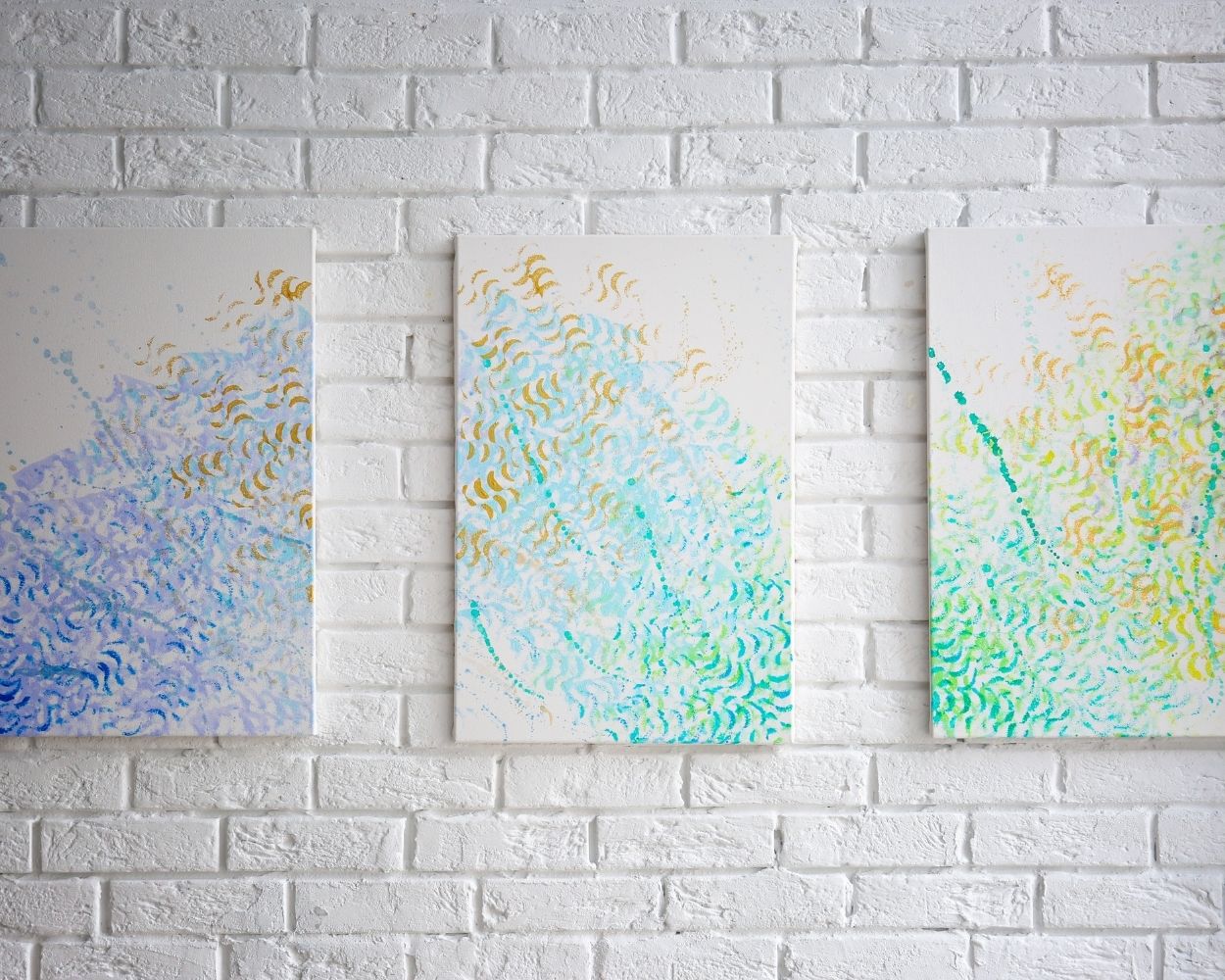
For example, some painters use a damp surface to create staining or watercolor-like effects with heavily diluted acrylic. Others use it to soften the edges in the early stages of a painting, especially in skies or backgrounds.
But it’s not always necessary.
If you’re working with thicker paint, building texture, or using techniques like dry brushing, a wet surface can actually get in the way. In those cases, a dry canvas gives you more control.
So why do artists wet a canvas before painting?
Mainly to control drying time and improve flow. It’s a simple adjustment that can make painting feel smoother and less rushed, especially with acrylics.
Like most techniques, it’s a tool, not a rule. Try it on your next piece. See how it changes the way the paint moves. You’ll quickly figure out whether it fits your way of working or not.