
Why Include Wood Panels into Art Education?
In art education, the materials we introduce students to are as important as the concepts we teach. One surface that deserves more attention in classrooms, studios, and workshops is the wood panel. From Renaissance masters through to contemporary artists, rigid wooden supports have played a vital role in the history of painting. Including them into art education not only broadens students’ technical skills but also deepens their understanding of artistic traditions and material behavior.
Why Include Wood Panels in the Curriculum?
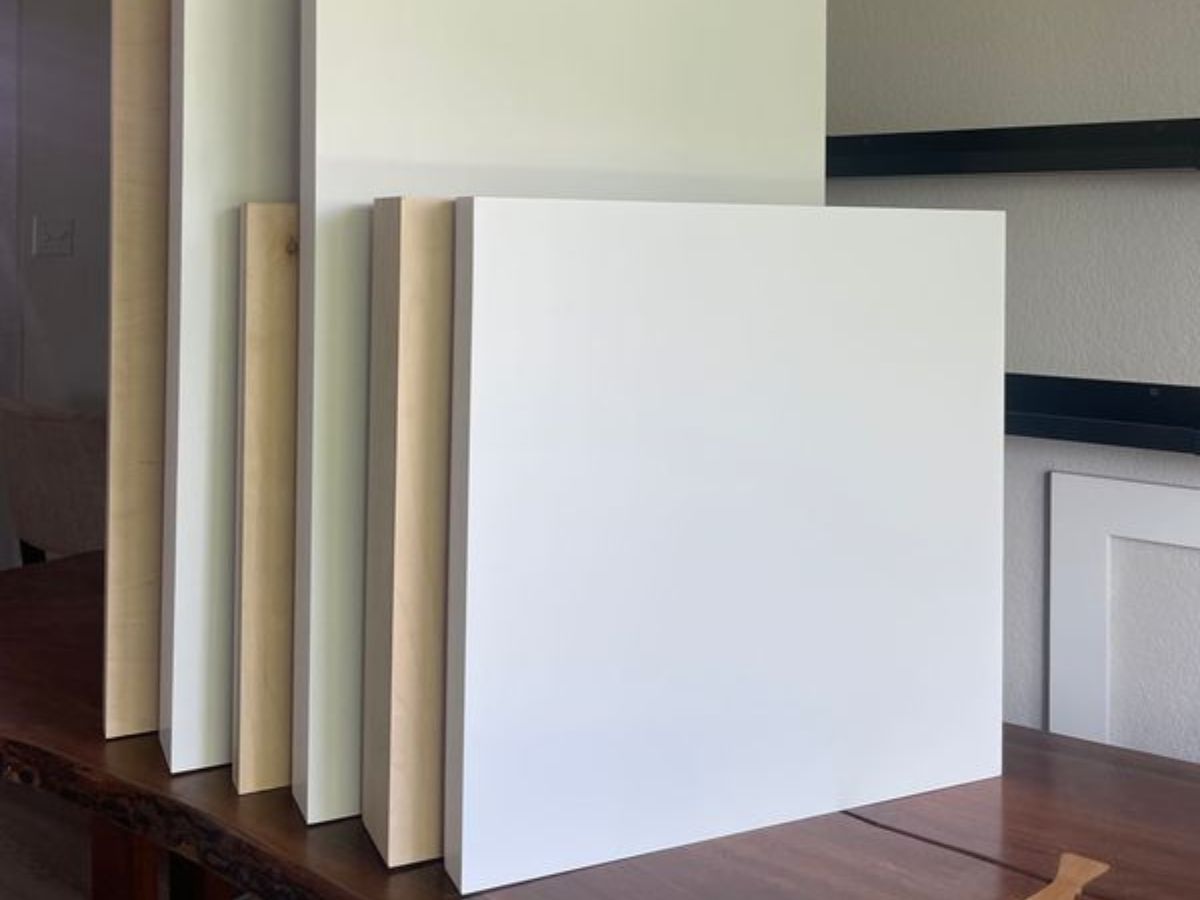
Wood panels offer a stable, smooth surface that differs significantly from stretched canvas or paper. Because they do not flex or sag, panels allow more precise brushwork, fine detail, and controlled layering, making them ideal for teaching techniques that rely on clarity and focus. This means students can explore glazing, fine linework, and even mixed media without worrying about the surface texture interfering with their marks.
This stability also mirrors what many professional artists encounter when they work on archival or museum-quality pieces. Having access to wood panels helps aspiring painters understand how different supports can influence paint behavior and composition decisions.
Practical Benefits in Teaching
From a teaching perspective, wood panels are less demanding in preparation than traditional canvas. Many wood panels come pre-primed and ready to paint, allowing class time to focus on technique rather than stretching and priming supports. This is especially helpful in introductory classes where time is limited and administrative tasks can draw away from creative learning.
The flat, rigid surface also means students can explore a wider range of media. Oils, acrylics, gouache, and mixed media all behave predictably on wood when compared to more absorbent or flexible surfaces. This versatility makes panels excellent for comparative lessons on medium behavior and application methods.
History, Technique, and Contemporary Practice
Icons and Renaissance masterpieces were often painted on well-prepared wood, many of which survive today because of the archival stability of the support. Incorporating panel painting into coursework connects students with this long artistic heritage.
Contemporary artists also continue to work on wood in innovative ways, integrating grain, texture, and structure into the artwork itself. Some artists paint on laser-cut wood shapes or leave portions of the wood visible as part of the final piece. These approaches show how material choice can be part of conceptual practice.

How to Teach With Wood Panels
1. Introduce Material Characteristics: Start with a discussion about surface differences—wood versus canvas—and how each affects paint application, blending, and detail work.
2. Prepare Panels Together: If the panels are not pre-primed, walk students through sanding, sealing, and priming steps. This builds confidence with surface preparation and reinforces attention to material care.
3. Compare Techniques: Assign projects where students paint the same subject on both canvas and wood to understand how surface changes affect texture and color handling.
4. Demonstrate Historical and Contemporary Examples: Show works by historical panel painters and contemporary artists using wood to inspire different creative paths.
Long-Term Value
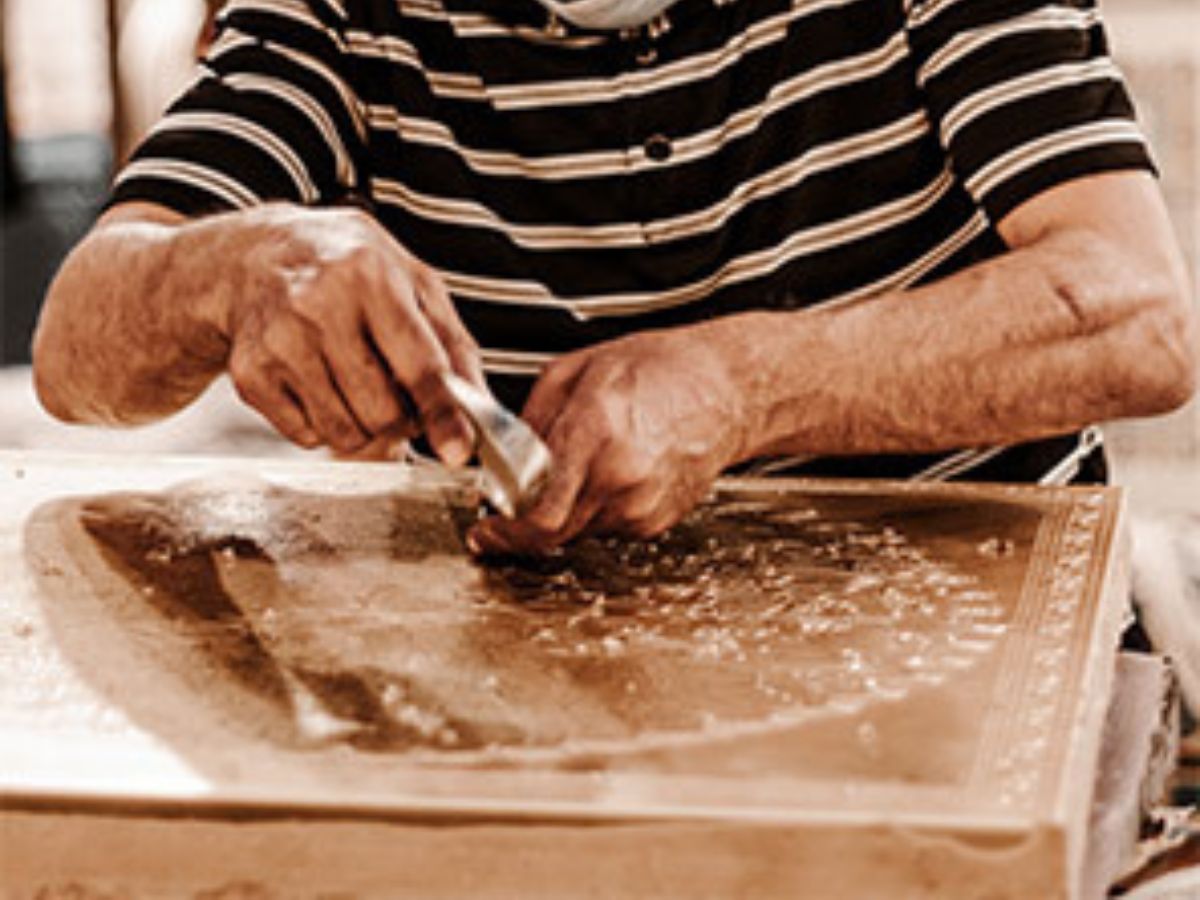
Wood panels hold up well over time when properly prepared. They resist sagging and provide a firm base for works meant to last—a point worth emphasizing in lessons about archival practice and conservation.
Including wood panels into art education enriches the learning experience, providing technical breadth, historical context, and creative opportunity. Whether you’re teaching a foundational studio class or mentoring emerging artists, wood panels can be a valuable tool for expanding both skill and imagination.