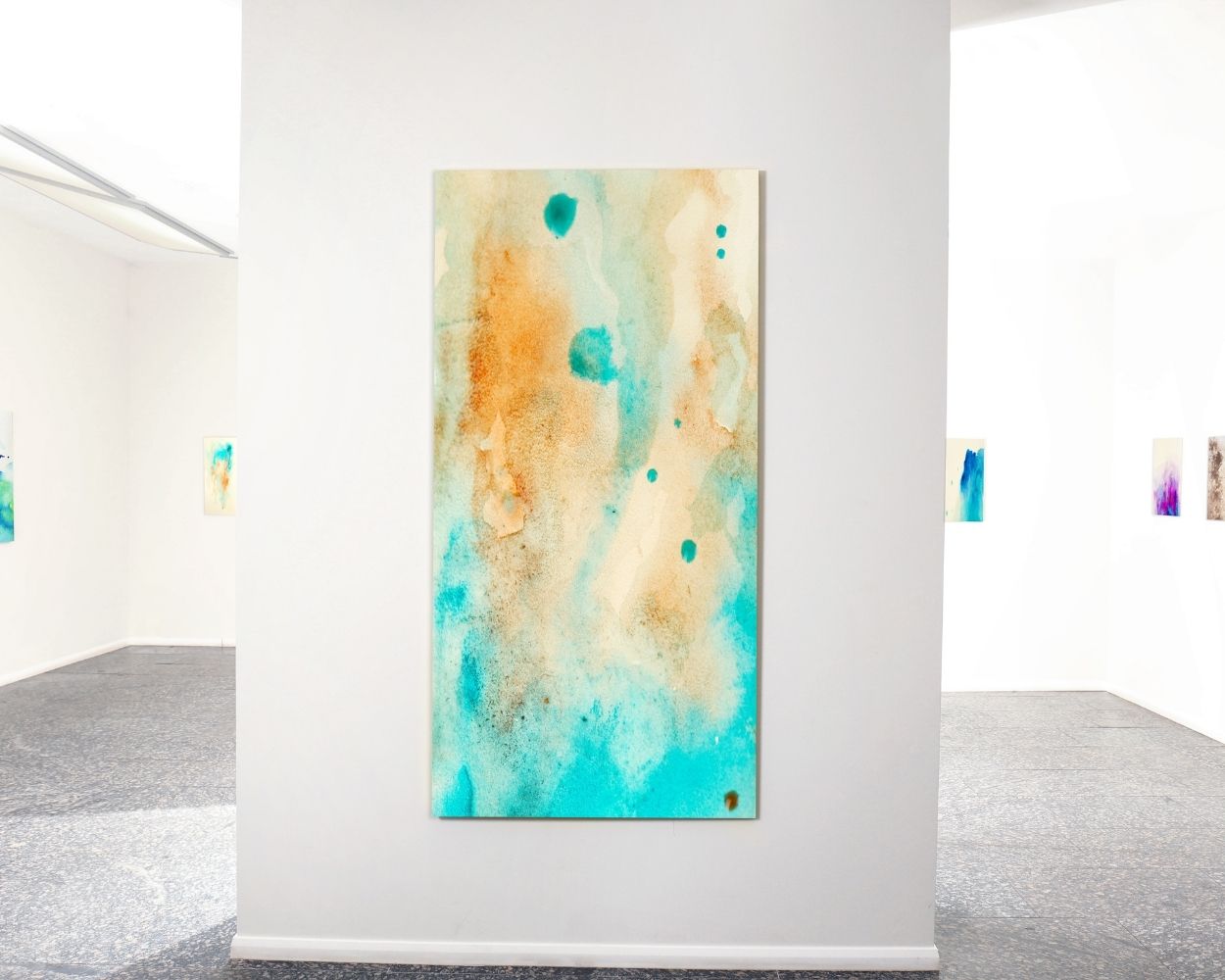
5 Tips on How To Get a Smooth Paint Finish on Canvas
Getting a smooth finish on canvas, one where the paint flows beautifully and transitions look seamless, is something many painters work toward, whether you’re just starting out or have been in studios for years. The good news? It’s as much about preparation and technique as raw talent.
1. Begin With a Well-Prepared Surface
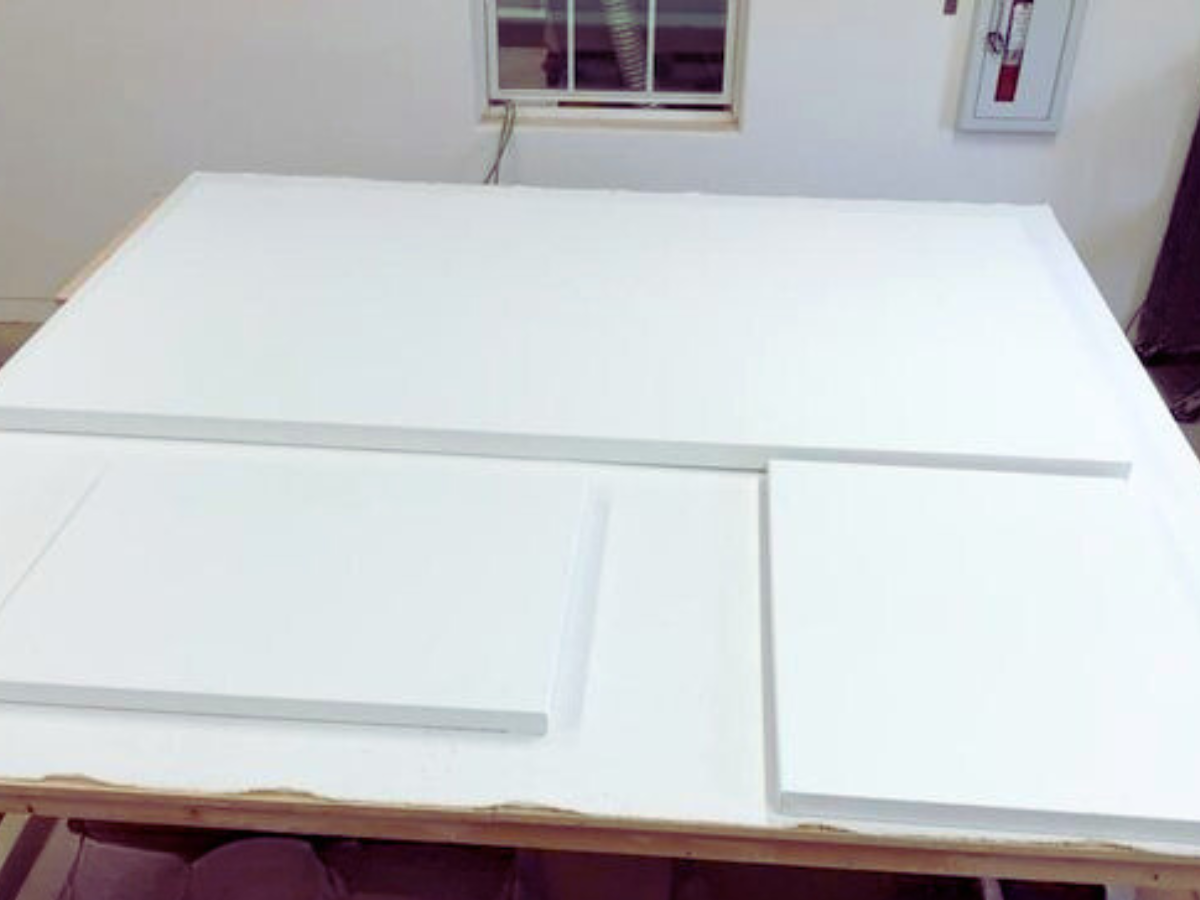
A really smooth paint finish starts before you ever pick up a paintbrush. Most canvases come pre-primed, but if you want an even smoother surface, add and refine your own layers of gesso. Apply several thin coats of gesso, letting each one fully dry, and then lightly sand between coats with fine-grit sandpaper (around 220-400 grit). This knocks down brush marks and evens out tiny bumps so the paint sits flat on the surface instead of catching on texture.
If you prefer minimal texture, tools like foam rollers and taping knives help spread gesso more evenly than brushes alone, reducing the canvas weave showing through.
2. Choose Brushes and Mediums Wisely
Once your surface is ready, your tools make a big difference. Soft, quality brushes like sable or soft synthetic filaments help lay down paint cleanly without leaving obvious brush strokes. For large areas, some contemporary artists even use foam or soft rollers to apply paint evenly, much like painters do on walls.
If your paint dries too quickly (common with acrylics), consider adding a flow or retardant medium. These slow down drying time slightly and improve the paint’s ability to blend smoothly. Many artists use acrylic pouring or leveling mediums to help the paint self-level and reduce brushwork marks.
3. Work in Layers and Blend While Wet
A smooth finish isn’t just one thick swipe of paint, it’s layering with intention. Thin layers applied while the paint is still workable allow you to blend edges and transitions. With acrylics, you might mist the canvas lightly with water or use a retarder so your blending window lasts a bit longer.
For oil painters, mediums like linseed or liquid make oil paint more fluid and easier to blend. Allow each layer to dry appropriately before applying the next to avoid muddiness while still achieving a refined finish.
4. Sanding and Final Touches
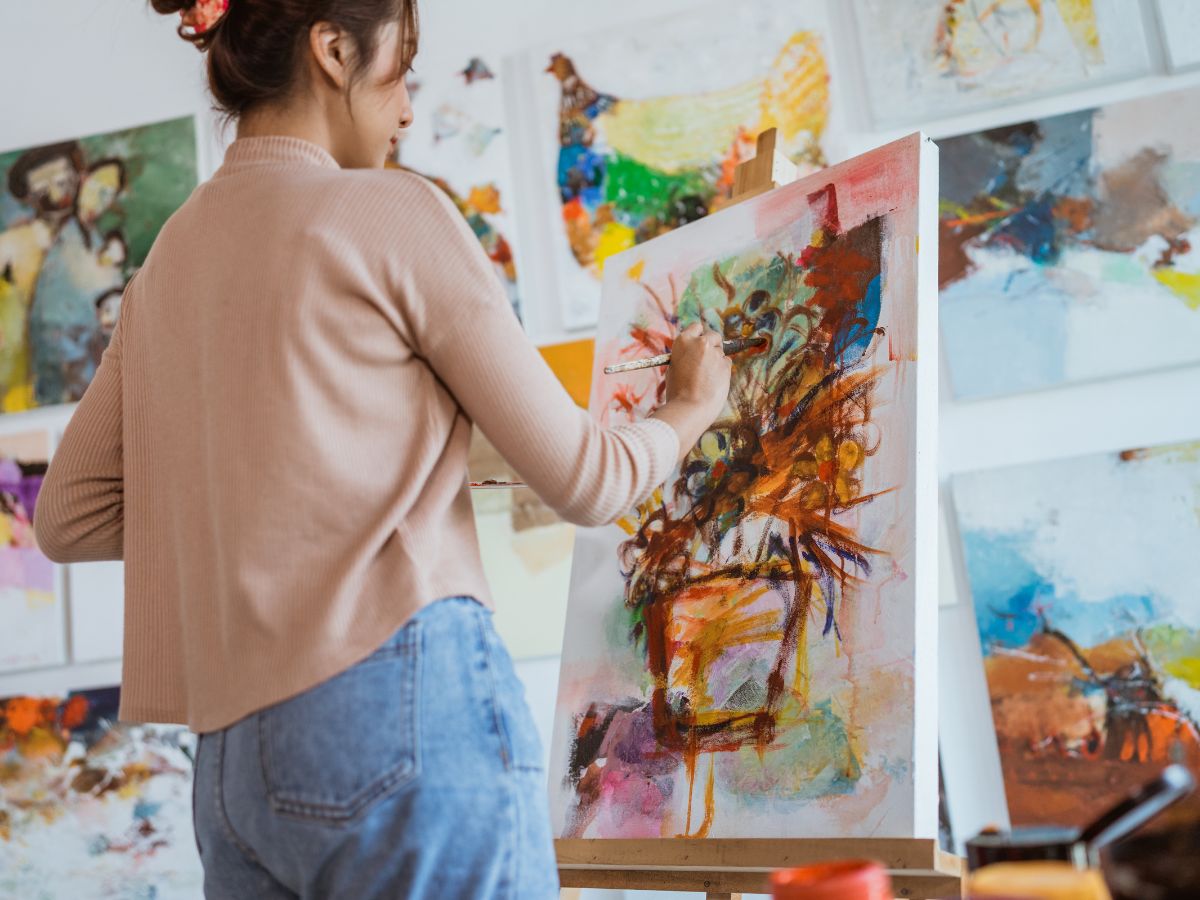
Once you’ve built up your finish, don’t shy away from light sanding between paint layers or before varnishing. Very fine sandpaper smooths out tiny ridges and helps your varnish lay on evenly. Just be gentle. You want to refine the surface, not strip it.
5. Seal With Varnish for a Glassy Look
A final varnish layer can unify the surface and enhance the smoothness of your paint finish. Many artists use matte, satin, or gloss varnish depending on the desired look. A roller or soft brush can help avoid brush marks in this last stage as well.
A smooth paint finish is the result of thoughtful surface prep, the right tools and products, and layering techniques that let blending shine. Take your time early on the canvas prep and be patient with layers and drying times. Soon you’ll notice richer colors, cleaner transitions, and a surface that feels as good as it looks.