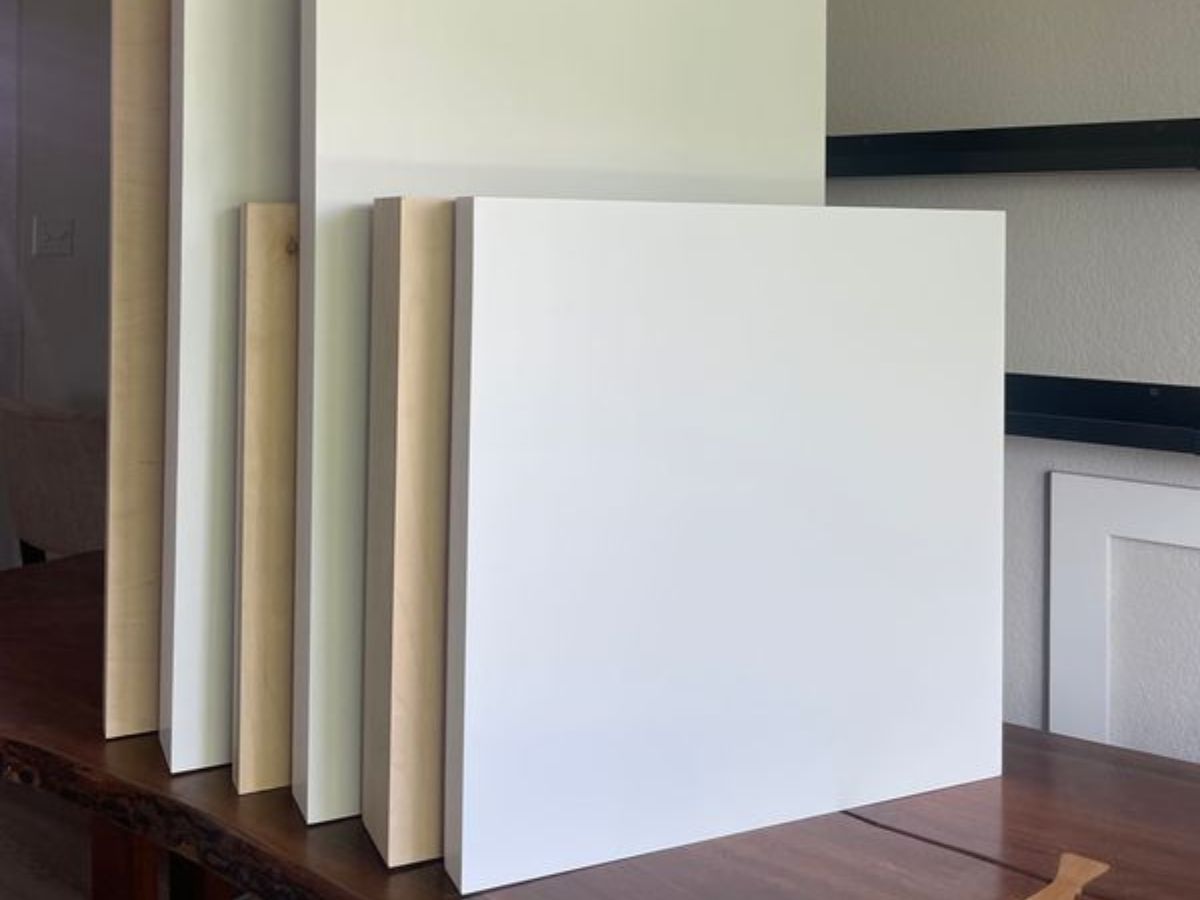
Creative Uses of Wood Panels in Contemporary Art
If you’re a painter, art lecturer, or creative hobbyist, you’ve probably worked on canvas and paper. But wood panels are quietly winning over contemporary studios, and for good reasons. They’re not just old-school supports for oil paint anymore. Wood panels offer a playground of tactile, structural, and conceptual possibilities that many artists are only beginning to tap into.
First up: why wood panels? At a basic level, a wood panel is a rigid board made from plywood or solid wood veneer that gives you a stable surface for painting and mixed media. Unlike canvas, it won’t flex or warp in humidity changes, which means fine detail and heavier applications (like resin or thick impasto) behave more predictably. The wood’s smoothness also allows for precise brushwork which is ideal for realism, detailed illustration, or controlled graphic work.
1. Embracing the grain, texture, and imperfections
Some artists let the wood’s natural character become part of the work. The rings, knots, and unique markings aren’t obstacles to cover up. They’re collaborators in the piece, adding narrative and depth. This approach treats wood as a partner in expression.
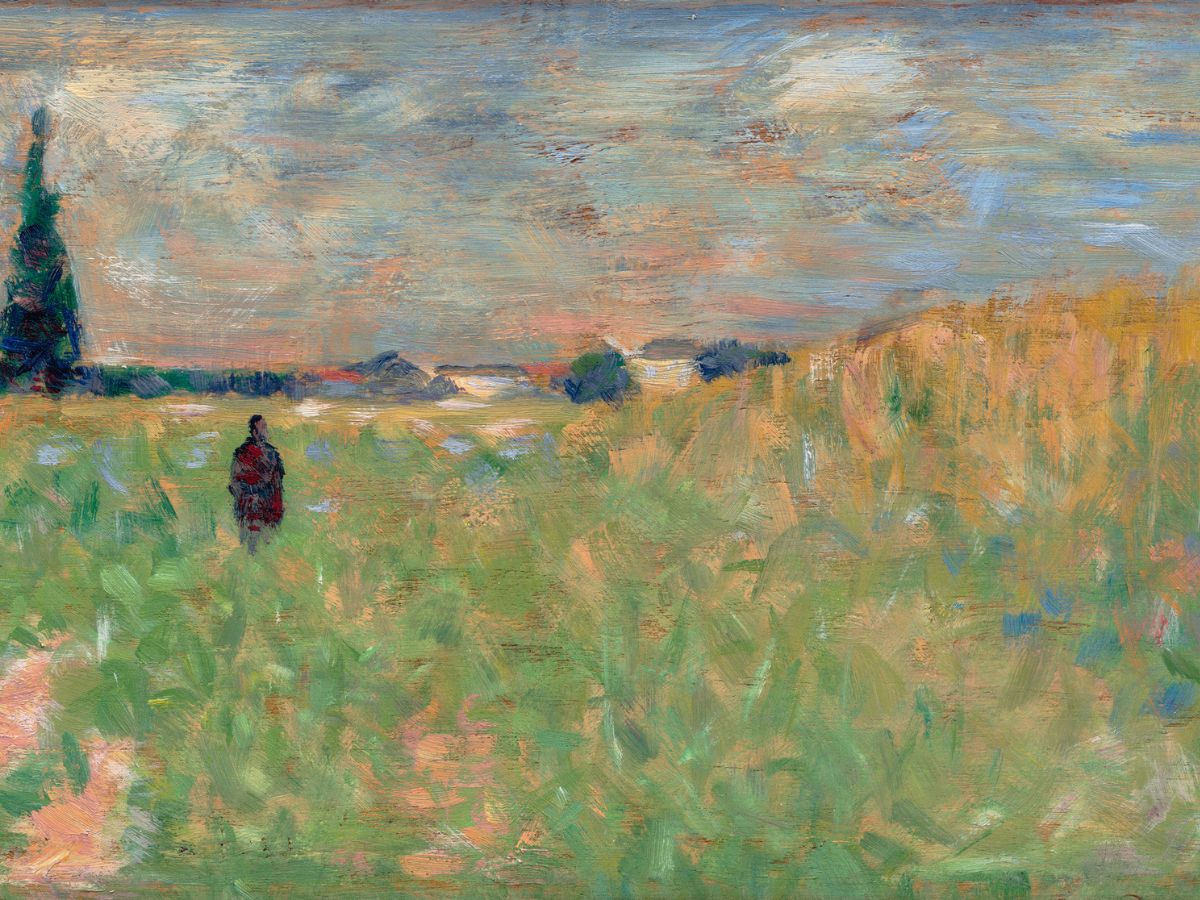
2. Collage, resin, and embedded materials
Contemporary artists like Fred Tomaselli take wood panels in surprising directions by using unconventional materials. He sometimes seal herbs, pills, printed imagery or other objects into thick epoxy resin layered over wood. That wood base withstands weight and tension that canvas simply couldn’t support.
3. Laser cutting and precision carving
Technology meets tradition when artists use laser cutting to carve intricate patterns or cut shapes out of wood panels before painting. The result is a hybrid of sculpture, relief, and painting all at once. When panels are cradled (attached to a supportive frame), they gain depth and presence in space, ready for gallery display without a conventional frame.
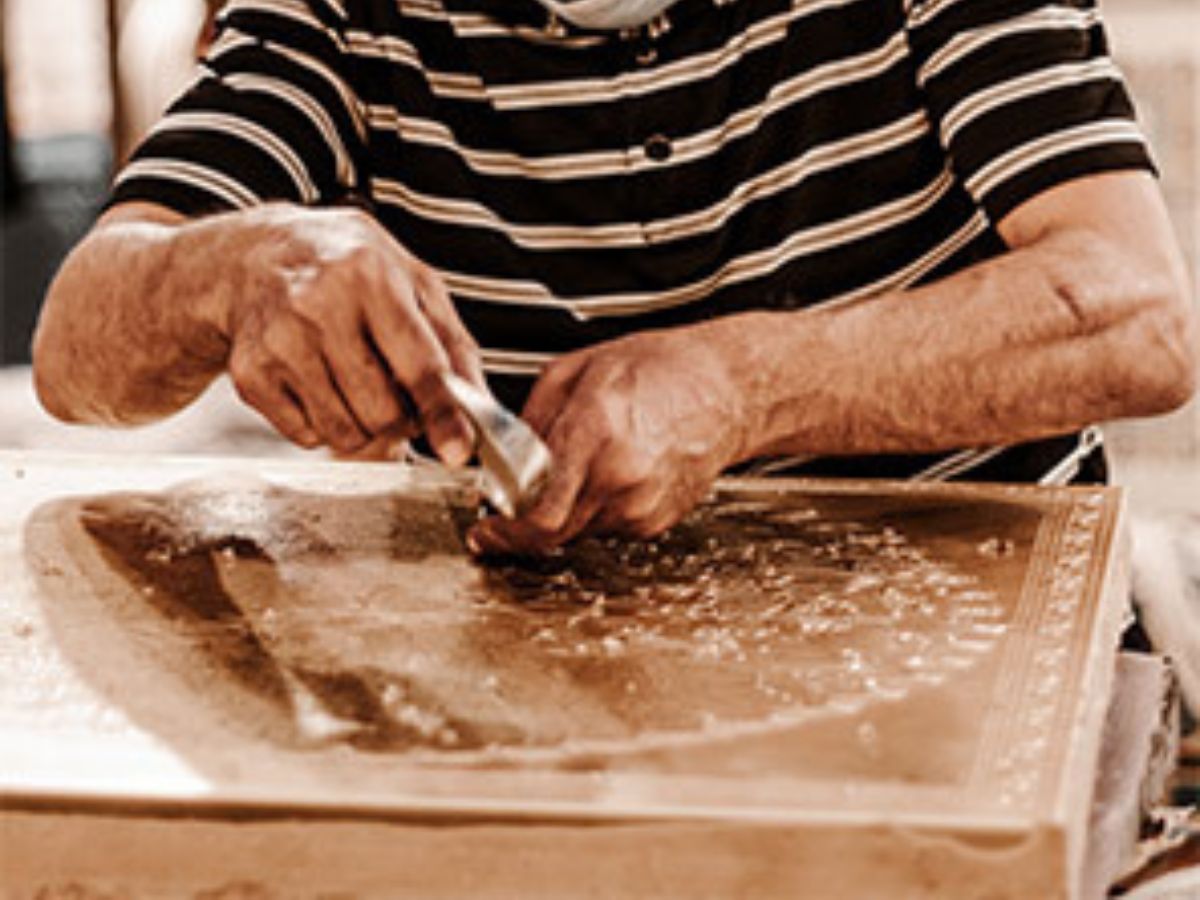
4. Carving and surface manipulation
Carving directly into the surface whether by hand tools or power tools adds dimensional texture. Some painters use this as a drawing technique, effectively “drawing with negative space” before adding paint or pigment. It’s a great way to break out of two-dimensional thinking and explore how shadow and form interact with color.
5. Mixed media and layering strategies
Because wood panels are sturdy and flat, they’re perfect for heavier mixed media layers — from encaustic wax to layered acrylic pours. They’re also ideal for collage and assemblage work where you want adhesion and stability without the give of canvas.
In short, wood panels are resurging not because they’re “retro” but because they adapt so well to experimentation. They reward curiosity, whether your studio practice is precise and controlled or bold and unorthodox. If you’ve only used wood for traditional painting, consider pushing its boundaries. You might find it reshapes not just what you paint, but how you think about surface, structure, and storytelling in your work.