Canvas Prints vs Acrylic Prints: What’s the Difference?
When it comes to turning your artwork or photos into finished wall pieces, canvas prints and acrylic prints are two of the most popular options today but they deliver very different looks and experiences. Understanding their strengths can help you choose the best way to present and reproduce your work. Below, let’s break down what makes each option unique and why one might suit your needs better than the other.
What Are Canvas Prints?
Canvas prints are created by printing an image directly onto a canvas surface, usually made from cotton or polyester fabric. The printed canvas is then stretched over a wooden frame, much like a traditional painting. This gives the piece a textured, painterly quality that feels warm and classic. Because of that texture and matte finish, canvas prints don’t reflect light the way glossy surfaces do, which makes them easy to view in varied lighting conditions.
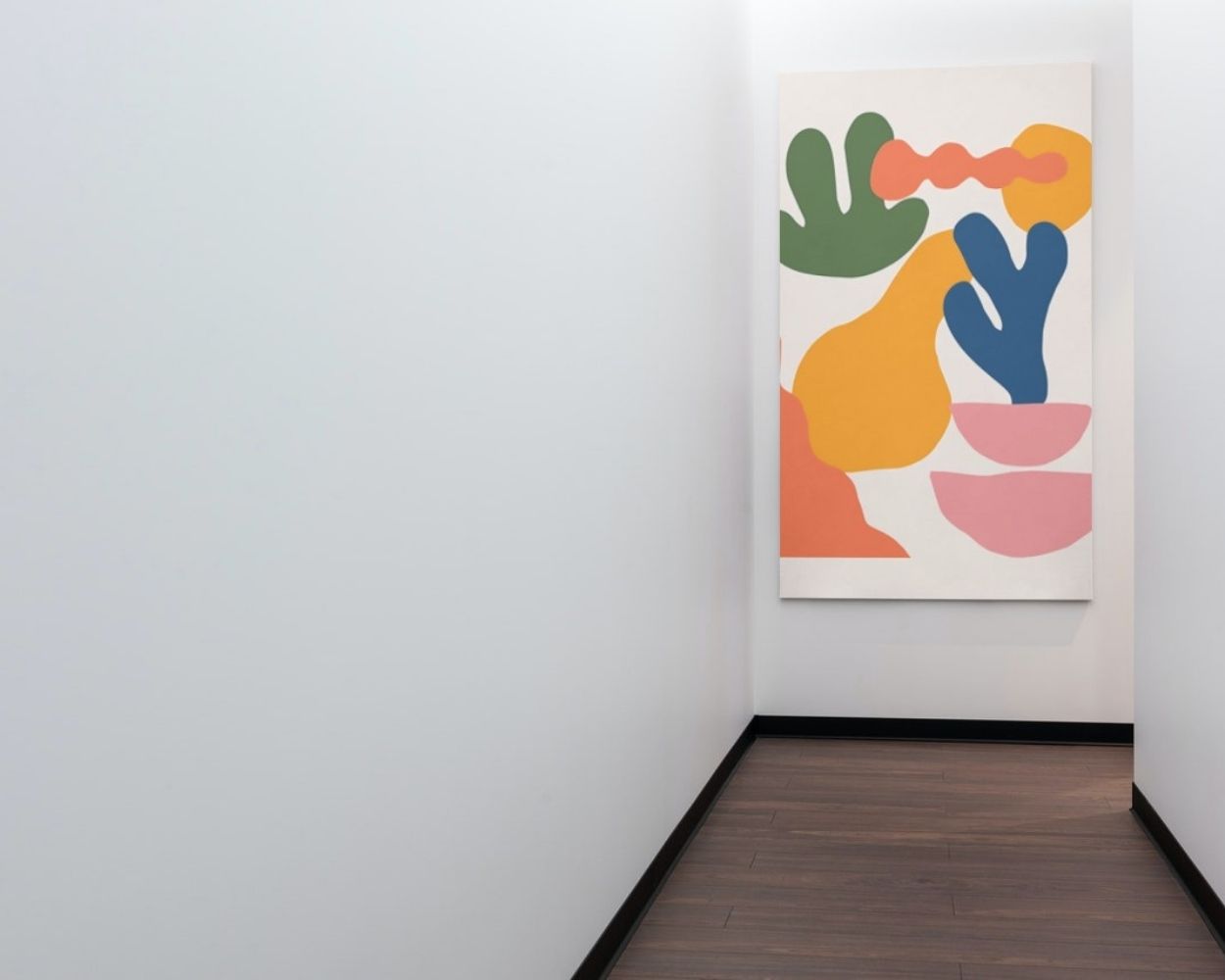
Canvas prints tend to be more affordable, lighter, and easier to hang especially if you want a relaxed, artistic presentation or are working with a tighter budget. They’re great for reproducing traditional pieces, portraits, landscapes, or works where a softer, handcrafted feel is desirable.
What Are Acrylic Prints?
Acrylic prints take a different path. The image is usually printed on high-quality paper and then mounted behind a sheet of clear acrylic or plexiglass. This creates a sleek, glass-like surface with strong light reflection and intense color depth. The transparency of acrylic can even add a sense of depth and dimensionality to your work, making colors pop and details feel more vivid.
Acrylic prints are often chosen for modern, minimalist spaces or gallery settings where sharpness and visual impact are priorities. They’re more durable than canvas prints in the face of moisture, UV light, and scratches, and they maintain that polished, vibrant look over time.

Key Differences at a Glance
Look and Feel:
- Canvas prints have a textured, matte, classic look that evokes a traditional painting or handcrafted feel.
- Acrylic prints offer a high-gloss, modern finish with striking clarity and brightness.
Color and Detail:
- Canvas absorbs some light, giving colors a slightly softer, richer feel. It’s excellent for emotive or painterly imagery.
- Acrylic amplifies color saturation and detail, making fine lines and vivid hues stand out.
Durability:
- Canvas prints are sturdy but can be sensitive to humidity, sunlight, and physical damage over time.
- Acrylic prints resist UV rays, moisture, and scratches better, though they’re heavier and need strong mounting.
Practical Considerations:
- Canvas is lighter, easier to hang, and more budget-friendly, ideal for large installations or rental spaces.
- Acrylic is heavier and pricier, with a premium feel that suits professional displays or gallery walls.
Glare and Lighting:
- Canvas’ matte surface eliminates glare, making it easier to view from all angles.
- Acrylic’s glossy finish can produce glare in bright light, which might require careful placement.

Which Should You Choose?
There’s no one “best” option. It depends on your artistic intent, budget, and display environment. If you want a classic, inviting aesthetic that feels like fine art, canvas prints are hard to beat. If your goal is vivid colors, sharp detail, and a contemporary presence, acrylic prints can elevate your work with modern flair.
Both are valid ways to present artwork, and many artists choose to use both formats in different settings. For example, canvas for warm interior spaces and acrylic for exhibitions or commercial spaces. Taking time to match your medium to your message will make your art feel more intentional and impactful.