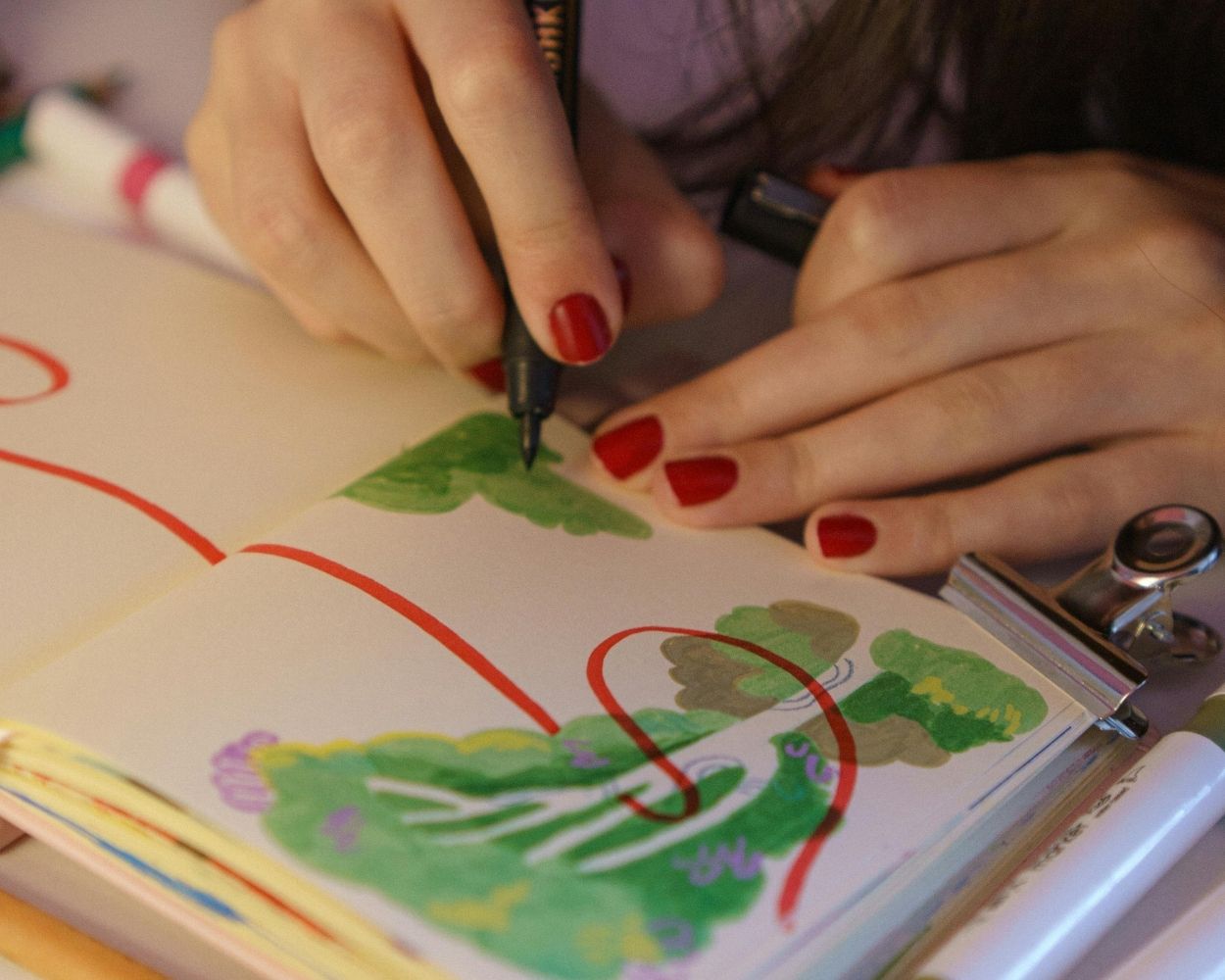
What Is an Art Journal and Why Do Painters Need One?
An art journal is not a sketchbook, a diary, or a finished artwork though it can borrow a little from all three. At its simplest, an art journal is a private space where you explore ideas visually without pressure. It’s where paintings begin long before they ever reach a canvas.
For painters, an art journal is less about making “good” work and more about making honest work.
What an Art Journal Actually Is
An art journal is a bound book or loose pages where you combine drawing, painting, notes, color tests, thumbnails, and written thoughts. Some artists keep theirs tidy and organized. Others treat it like a visual mess. Both are valid.
Unlike a sketchbook that often focuses on drawing skills, an art journal welcomes everything: bad ideas, half-finished thoughts, random marks, pasted references, and notes like “this color mix works” or “don’t do this again.”
The key point is intention. You’re not trying to impress anyone. You’re thinking on paper.

Why Painters Rely on Art Journals
1. It removes pressure
A blank canvas can feel intimidating. An art journal lowers the stakes. There’s no expectation that what you make inside it will be framed, sold, or shared. That freedom leads to more experimentation and fewer creative blocks.
2. It’s where ideas get worked out
Most strong paintings don’t start fully formed. They evolve. An art journal lets you test compositions, plan color palettes, and explore themes before committing time and materials to a large piece. Many contemporary painters treat their journals as idea laboratories.
3. It improves consistency
Painting regularly is hard. Journaling makes it easier. You can show up for ten minutes, play with color or texture, write a few lines, and still feel productive. Over time, this builds momentum and keeps your practice alive between bigger projects.
4. It sharpens visual thinking
Writing and drawing side by side helps connect thought and action. You might jot down why a composition feels off, then adjust it visually. This back-and-forth trains you to analyze your own work more clearly, a skill that benefits painters at every level.
How Painters Use Art Journals Today
Many painters now use art journals as part of their professional workflow. They document color recipes, test acrylic mediums, explore gouache or oil layering, and reflect on finished pieces. Art lecturers often encourage journaling because it shows process, not just results.
There’s also been a noticeable rise in mixed-media journaling. Painters combine paint, collage, graphite, and written reflection in one place. This mirrors how contemporary art practices blend disciplines rather than keeping them separate.
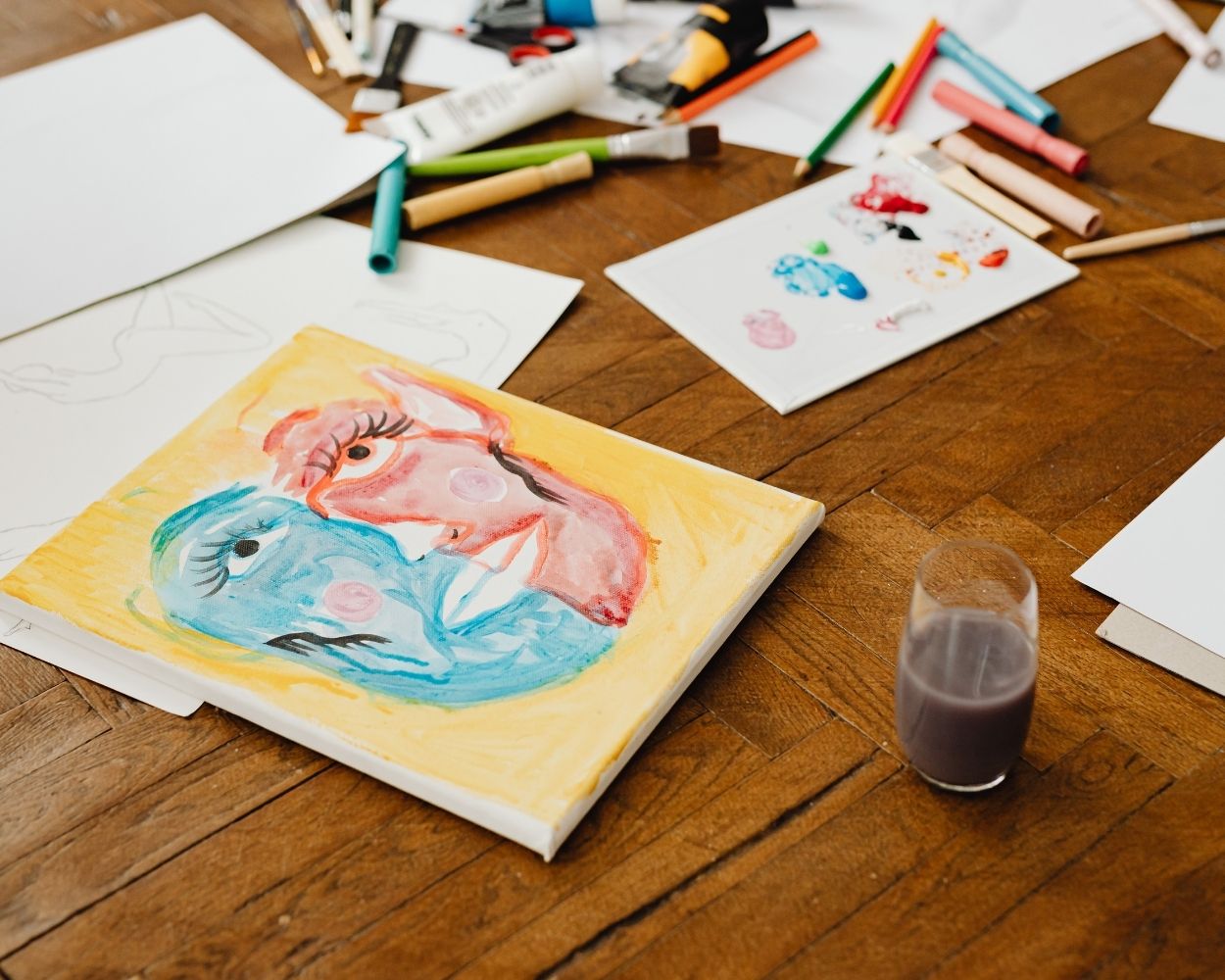
What You Actually Need to Start
Very little. A book with paper that can handle some paint. A few brushes or pens. Whatever medium you already use.
The biggest mistake is overthinking the setup. The journal doesn’t need to be precious. In fact, the less precious it feels, the more useful it becomes.
An art journal won’t magically make you a better painter. But it will make you a more aware one. It captures your questions, experiments, and small discoveries, the quiet work that rarely gets seen but shapes everything you put on canvas.
If painting is your practice, an art journal is where that practice learns to speak.