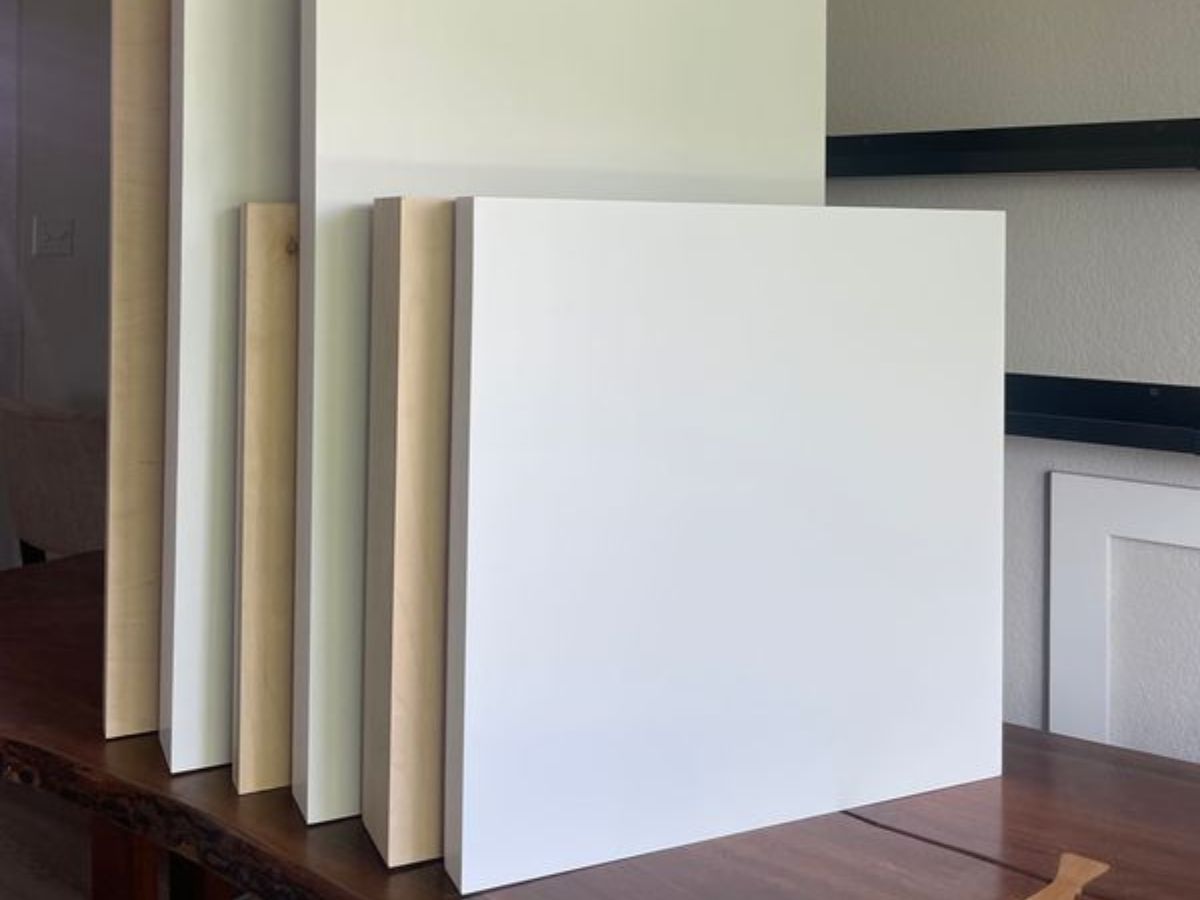
How to Choose the Right Primer for Wood Panels
If you paint on wood panels, you already know they offer a solid, reliable surface. They don’t flex like canvas. They feel substantial. But the primer you choose will make or break the experience.
Beautiful paintings fail because the ground wasn’t right. Peeling paint, uneven texture, dull color. Most of it traces back to poor surface prep. So let’s keep this simple and practical.
First question: what medium are you using?
For acrylic painters, acrylic gesso is usually the go-to. It’s water-based, easy to apply, and dries quickly. Modern acrylic gesso isn’t traditional gesso. It contains acrylic polymer, which makes it flexible and well suited for both canvas and panels. If you want a bit of tooth for brushwork, standard gesso works well. If you prefer smoother blends or detailed realism, sand lightly between coats.
Two to three thin coats are better than one thick one. Let each coat dry fully. Sand lightly if you want a refined surface. Wipe off dust before applying the next layer.
For oil painters, things matter more.
Oil paint should never go directly onto raw wood. Wood absorbs oil and can cause long-term damage. You need a proper barrier. Acrylic gesso works under oil, as long as it’s fully dry. Many oil painters do this successfully. It seals the wood and gives the oil paint something to grip.
Some painters prefer oil-based primers. These create a smoother, less absorbent surface and can enhance color richness. The downside is drying time. Oil primer can take days to cure properly, and it needs good ventilation. If you value speed and convenience, acrylic gesso is usually more practical.
There’s also traditional rabbit skin glue and chalk gesso. These are more common in classical methods. They create a beautiful, rigid surface. But they’re sensitive to humidity and can crack over time, especially on large panels. Many conservators today recommend more stable, synthetic alternatives for longevity.
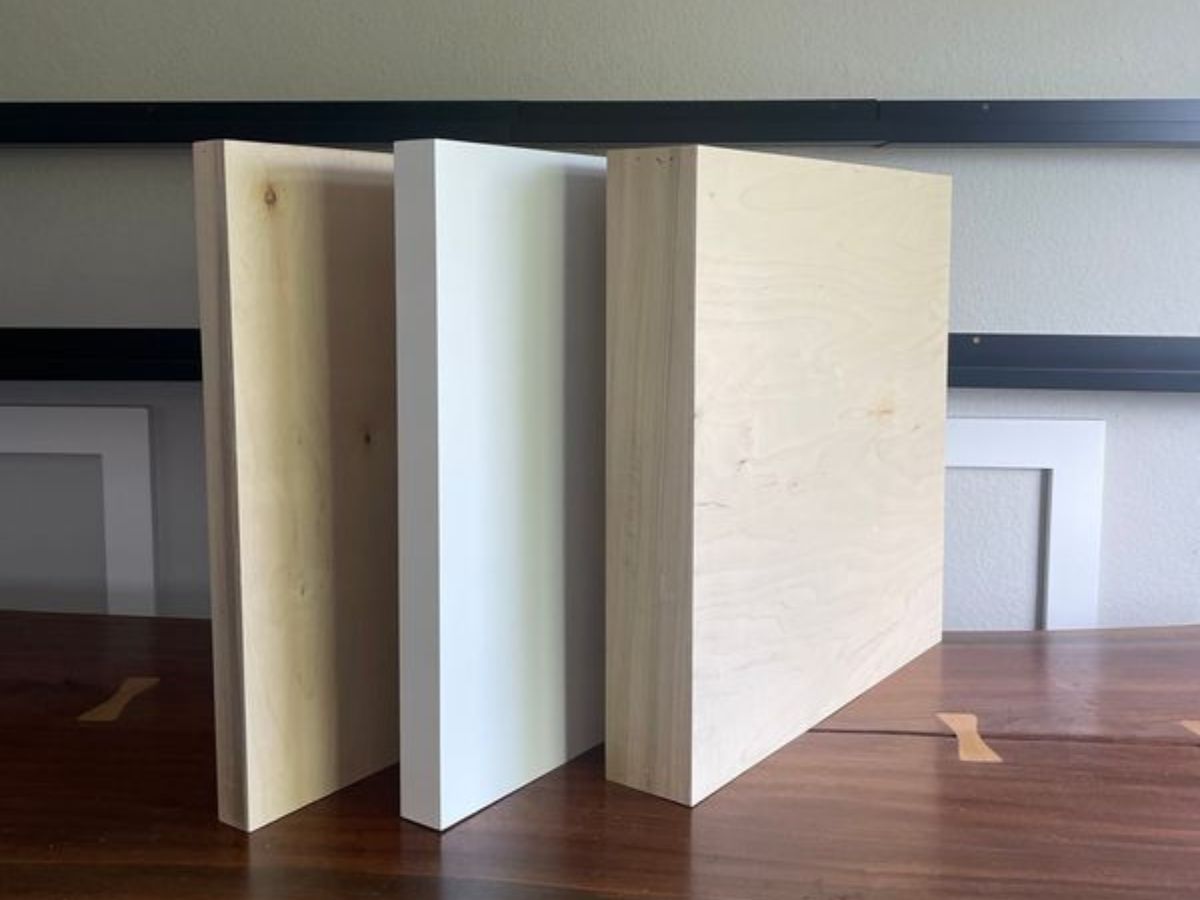
Next, think about absorbency.
Highly absorbent grounds pull paint in fast. That can be great for layering and glazing control, but frustrating if you want smooth blending. Less absorbent primers keep paint sitting on top longer. If you find your paint dragging or dulling, your surface may be too thirsty.
Tinting your primer is another useful trick. Instead of starting from bright white, add a small amount of acrylic paint to your gesso. A mid-tone ground can unify the painting and reduce glare while you work.
Don’t forget the panel itself. Use quality wood panels that are properly sealed, especially on the back and edges. Even with good primer, unsealed wood can warp with changes in humidity. A simple coat of acrylic medium on the reverse side helps protect it.
In recent years, manufacturers have focused more on archival stability and non-toxic formulations. That’s good news for artists who care about longevity and studio safety. Still, no product replaces careful preparation.
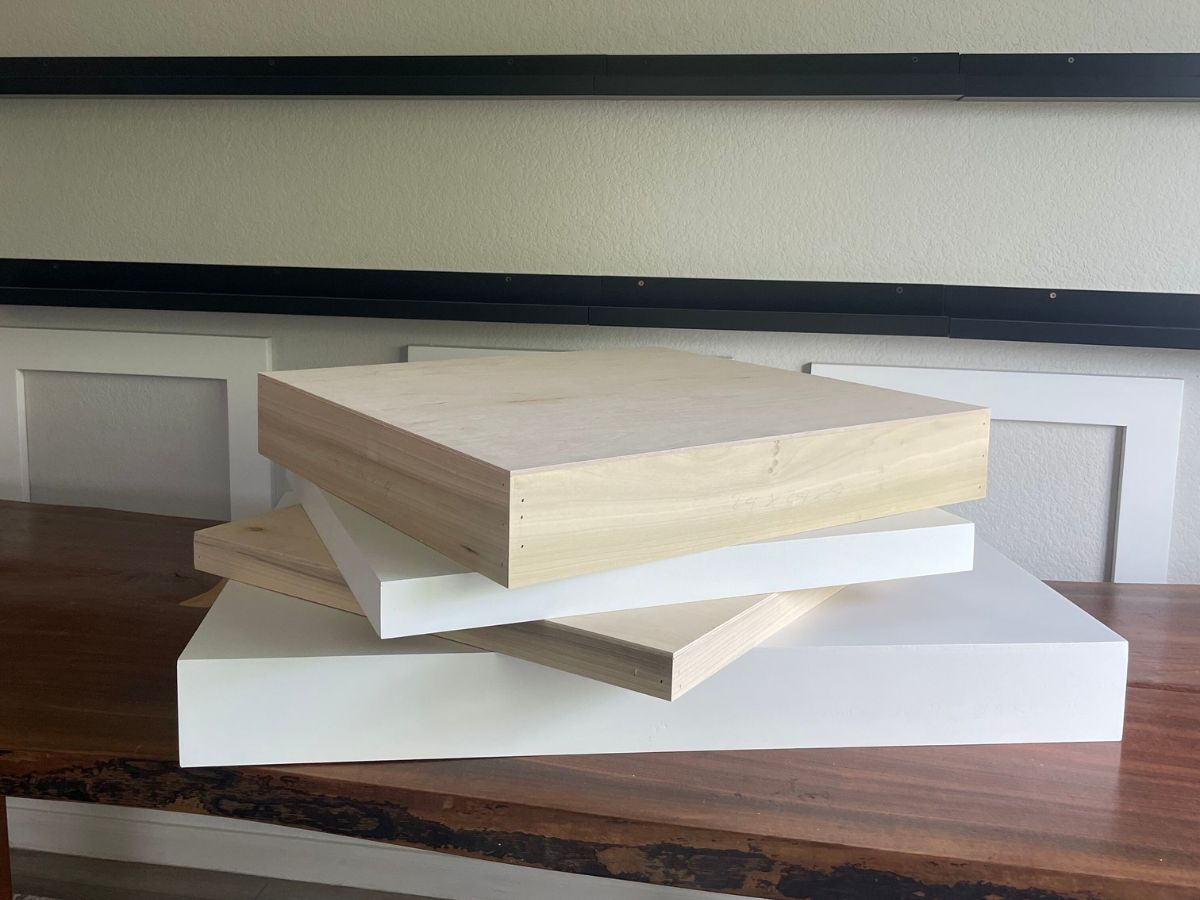
To sum up:
- Match the primer to your medium.
- Seal the wood completely.
- Apply thin, even coats.
- Adjust texture with sanding.
- Choose absorbency based on how you like to paint.
The right primer doesn’t just protect your work. It changes how your brush moves, how color behaves, and how confident you feel starting a new piece. Get the surface right, and everything else gets easier.