
How to Protect Your Art Collection: 8 Simple Tips Every Artist and Collector Should Know
Whether you own a few original paintings or have spent years building a growing collection, protecting your artwork should be just as important as acquiring it. Paintings are vulnerable to light, moisture, dust, and accidental damage, but with a few simple habits, you can significantly extend their lifespan.
Here are eight practical ways to keep your collection looking its best.
1. Keep Artwork Out of Direct Sunlight
Sunlight is one of the biggest threats to paintings. Both ultraviolet (UV) and visible light gradually fade pigments, especially in watercolors, prints, and works on paper. Hang artwork on interior walls whenever possible, and consider UV-filtering glass or acrylic when framing valuable pieces.
2. Control Temperature and Humidity
Paintings prefer a stable environment. Extreme heat, cold, or sudden humidity changes can cause wood panels to warp, canvas to slacken, and paint layers to crack. Avoid displaying artwork near fireplaces, radiators, air conditioners, or damp basements. Museums prioritize stable environmental conditions because preventing damage is far easier than repairing it.
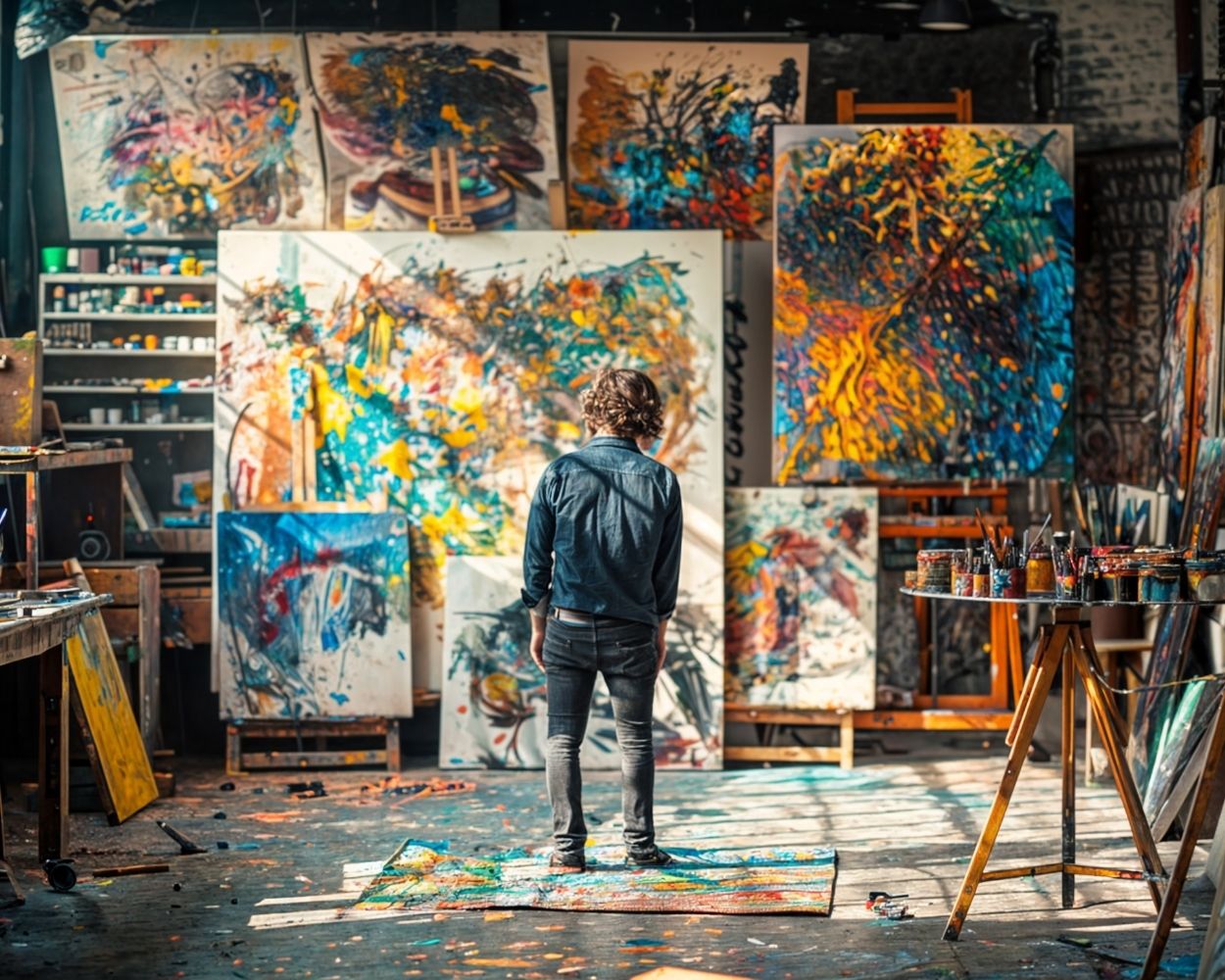
3. Handle Artwork Carefully
Always lift paintings by the frame or sides with clean, dry hands or better yet, wear cotton or nitrile gloves. Never carry artwork by the hanging wire, and avoid touching painted surfaces.
4. Keep Dust Under Control
Dust may seem harmless, but over time it attracts moisture and pollutants. Gently dust frames with a soft microfiber cloth. If the painting itself needs cleaning, leave it to a professional conservator rather than experimenting with household cleaners.
5. Use Quality Framing Materials
Acid-free mats, archival backing boards, and UV-protective glazing help preserve artwork for decades. Investing in proper framing today can prevent expensive restoration later.
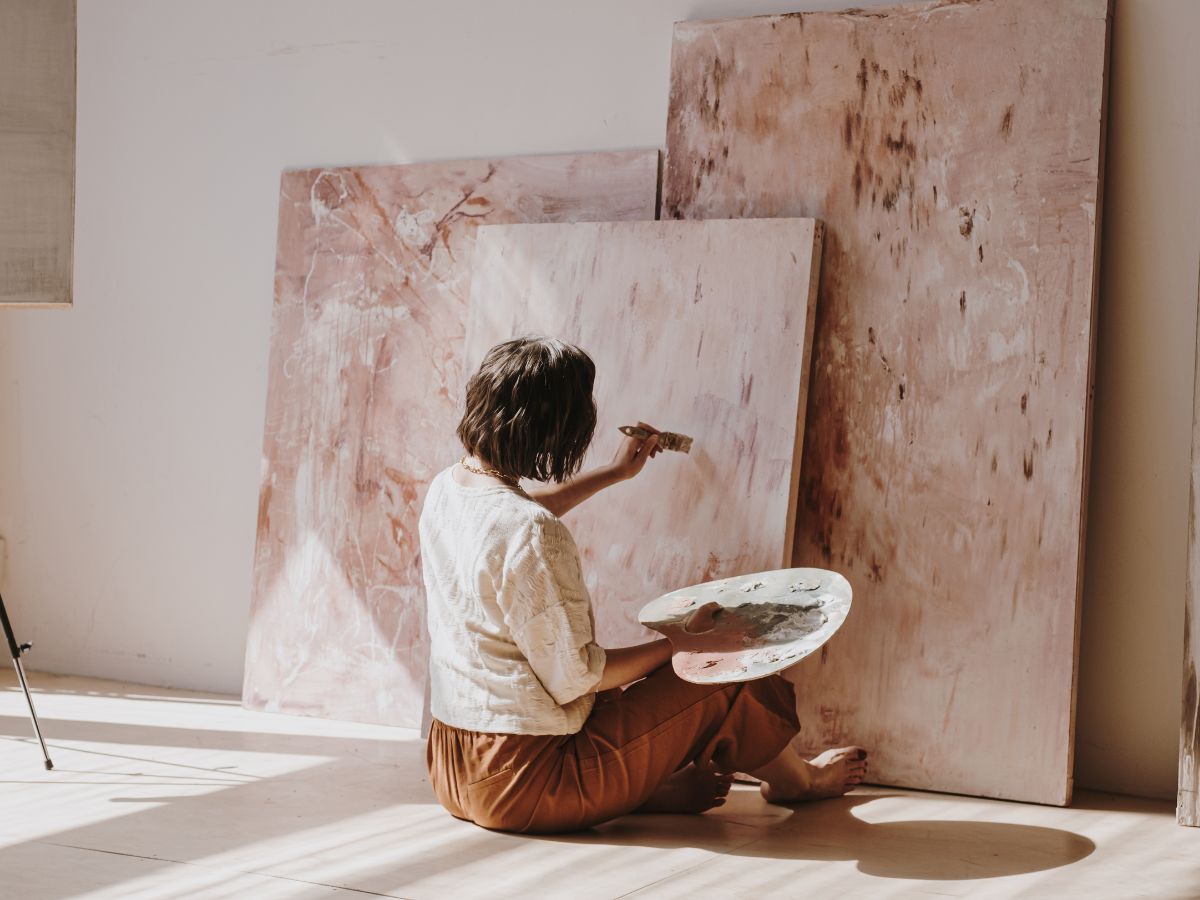
6. Store Art Properly
If artwork isn’t on display, store it upright in a clean, dry space with protective padding between pieces. Avoid garages, attics, and basements where temperature and humidity fluctuate dramatically.
7. Document Your Collection
Photograph each piece, record its dimensions, purchase details, and any certificates of authenticity. Good documentation is invaluable for insurance, resale, and tracking an artwork’s condition over time.
8. Inspect Your Collection Regularly
Take a few minutes every few months to look for signs of fading, mold, loose frames, insect activity, or cracks. Conservators call this preventive conservation–identifying small issues before they become major problems.
Great artwork deserves great care. Whether you’re preserving your own paintings or collecting the work of other artists, a few thoughtful habits can protect your investment and ensure future generations enjoy it. Small, consistent steps today will keep your collection vibrant and beautiful for years to come.