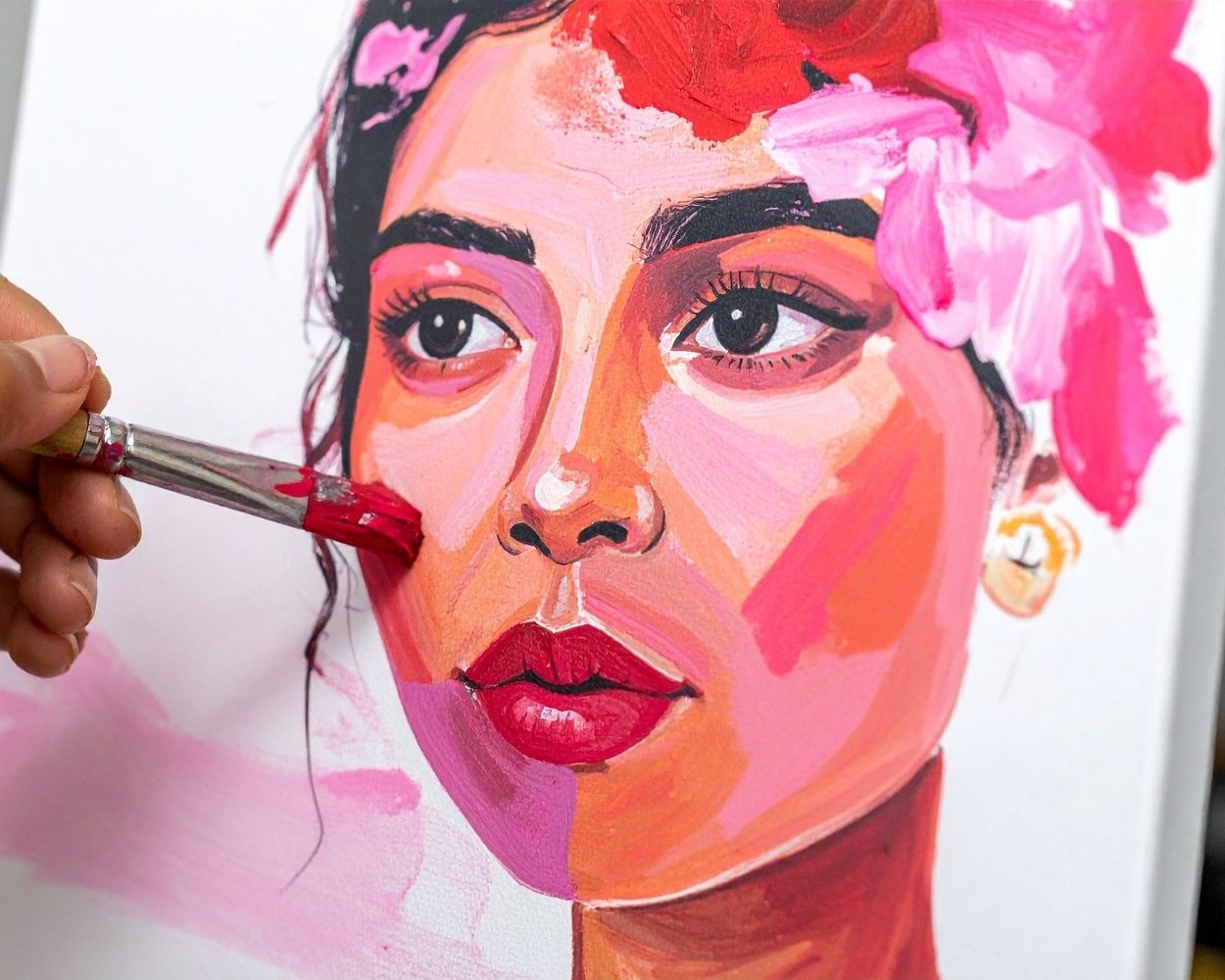
Why Do Artists Wet a Canvas Before Painting?
Wetting a canvas before painting is one of those studio habits you’ll see some artists swear by and others completely ignore. The truth is, it depends on what you’re trying to do.
Making your art look more “expensive” isn’t about faking anything. It’s about clarity, control, and good decisions. Viewers can sense when a piece feels resolved and intentional. That’s what gives work a higher-end feel.
Here are ten practical tips that make a real difference.
Walk into any art store and you’ll see a wide range of canvases, from budget packs to premium, hand-stretched linen. The price gap can be huge. So the question is simple: does it actually matter?
Short answer, yes. But maybe not in the way you think. Let’s start with what you’re really paying for.
Canvas has been a favorite painting surface for centuries, and for good reason. It’s lightweight, durable, and holds paint well when properly primed. But one question comes up again and again in studios and classrooms: what type of paint actually works best on canvas?
The short answer is that several types work well. The real choice depends on how you like to paint and what kind of results you want.
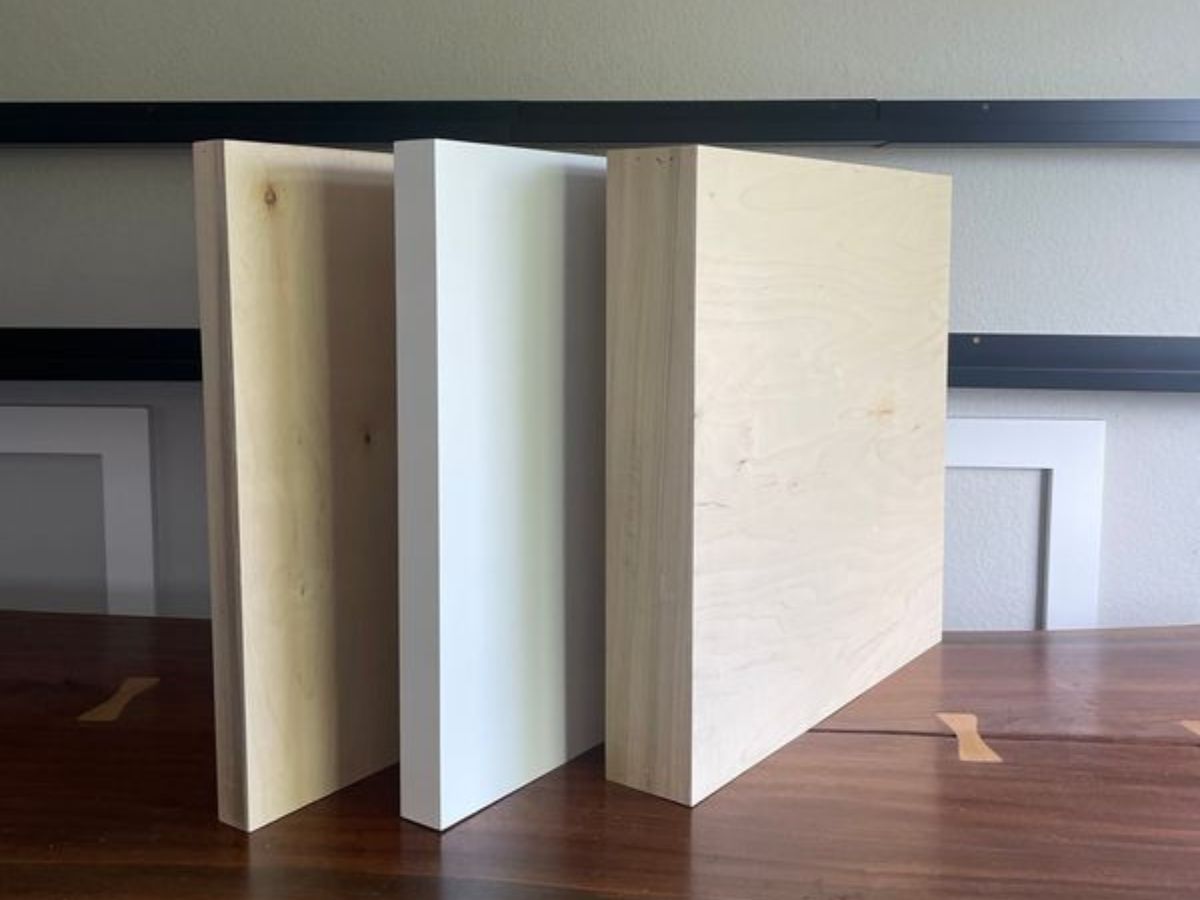
Many painters are trying to move toward painting on artist wood panels for their rigid surfaces, stability and clean edges. But here’s the part many skip: sealing the wood properly.
If you don’t seal a wood panel, you’re setting yourself up for discoloration, poor adhesion, and long-term structural issues. Let’s walk through what actually works.
Short answer: sometimes. Longer answer: it depends on the medium, the purpose of the work, and how you expect it to live in the world.
Sealing a painting isn’t a universal rule, and it’s one of those topics where artists hear a lot of confident advice that doesn’t always apply.
At some point, if your work is visible, someone won’t like it. That’s not a failure. It’s a sign that your work has entered the public conversation. Negative reviews and critical press are part of being a working artist, whether you’re emerging or established.
The challenge isn’t avoiding criticism. It’s learning how to handle it without letting it derail your practice.
If you’ve ever stood in front of a massive painting and thought, How did they even get that thing?, you’re asking a very normal question. Those oversized canvases don’t magically appear in studios. They’re planned, built, and handled with a lot more problem-solving than most people realize.
Here’s how artists actually do it.
When you’re standing in front of a blank canvas, one of the first questions you’ll face is what paint should I use? The answer isn’t one-size-fits-all but understanding the properties of the main paint types makes choosing easier whether you’re just starting or have years in the studio.
In art education, the materials we introduce students to are as important as the concepts we teach. One surface that deserves more attention in classrooms, studios, and workshops is the wood panel. From Renaissance masters through to contemporary artists, rigid wooden supports have played a vital role in the history of painting. Including them into art education not only broadens students’ technical skills but also deepens their understanding of artistic traditions and material behavior.